 BeNewz
Related Articles



–Pakistan’s deputy premier will hold talks in Beijing amid regional tensions and strong bilateral ties
Aftab Maken
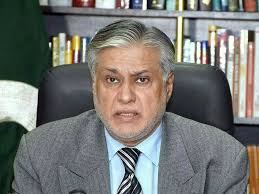
ISLAMABAD: Deputy Prime Minister and Foreign Minister Mohammad Ishaq Dar will visit China on Tuesday for high-level talks, underscoring Islamabad’s commitment to its strategic partnership with Beijing.
The visit follows an invitation from Chinese Foreign Minister Wang Yi and comes despite Dar sustaining a minor shoulder fracture a day earlier. Officials said he chose to proceed with the trip after medical consultation, reflecting the importance Pakistan places on ties with China.
According to Pakistan’s Foreign Office, the one-day visit will include in-depth discussions on regional and global developments, with a particular focus on rising tensions in the Middle East. Both sides are also expected to review bilateral cooperation across economic, political, and security domains.
Pakistan and China maintain what both governments describe as an “all-weather strategic cooperative partnership,” marked by close diplomatic coordination and regular high-level exchanges. China remains Pakistan’s largest trading partner and a key investor under the China-Pakistan Economic Corridor, a flagship component of Beijing’s Belt and Road Initiative.
Trade between the two countries exceeded $20 billion in recent years, according to Pakistan Bureau of Statistics data, while energy and infrastructure projects under CPEC have played a central role in addressing Pakistan’s power shortages and connectivity gaps. However, progress on some projects has slowed amid Pakistan’s economic challenges and global financing constraints.
The visit also comes as Pakistan intensifies diplomatic engagement to address regional instability. Islamabad has recently hosted foreign ministers from several countries to discuss peace and security issues, positioning itself as a facilitator of dialogue during heightened geopolitical tensions.
Analysts say Dar’s decision to travel despite injury signals urgency in maintaining momentum in Pakistan-China relations, particularly at a time when regional alignments are shifting and economic cooperation remains critical for Pakistan’s recovery.
The meetings in Beijing are expected to reaffirm political trust and explore avenues for expanding trade, investment, and strategic coordination. Observers note that continued engagement with China will remain central to Pakistan’s foreign policy as it navigates economic pressures and evolving regional dynamics.