 BeNewz
Related Articles


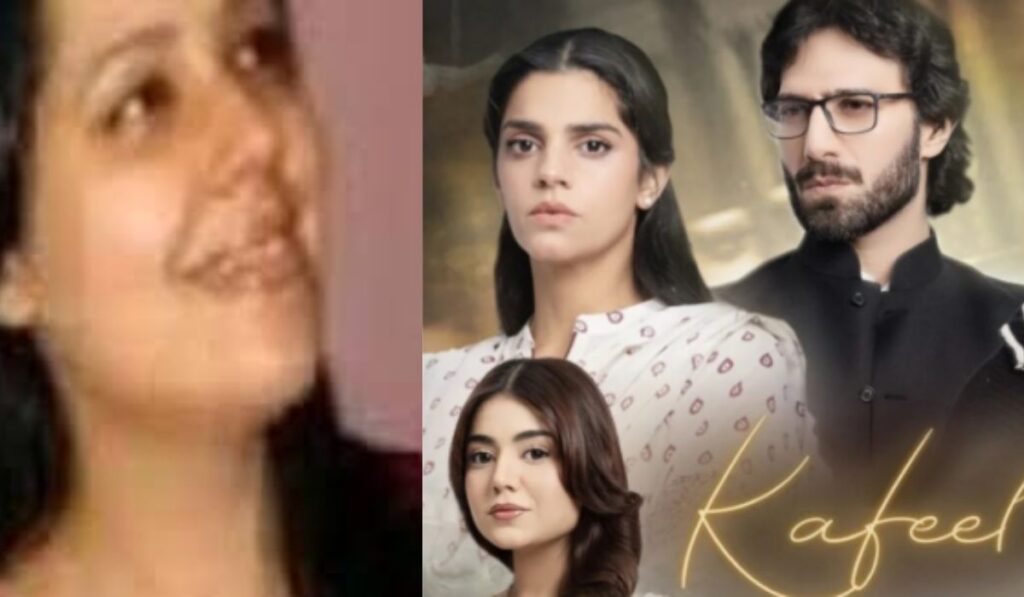
The popular drama Kafeel, currently airing on ARY Digital, has found itself at the center of controversy despite its initial success and critical acclaim. Produced by Big Bang Entertainment, the show garnered attention for its compelling narrative and the involvement of acclaimed writer Umera Ahmed and director Meesam Naqvi.
However, the drama began facing backlash following a 20-year time jump in its storyline, which introduced a younger cast and multiple romantic subplots involving teenage and early adult characters. Viewers expressed disappointment, arguing that the shift weakened the narrative and diverted focus from the stronger themes established earlier in the series. Critics also pointed out that the portrayal of early marriages among relatively young characters raised concerns about the social messaging of the show.
Original time lapse in the script of #Kafeel was 27 years, Subuk was 26 years old, Juveria 25 years old when she got married and youngest Tania was 18 years old.
— Umera Ahmed (@UmeraAhmedOffic) April 17, 2026
Due to casting they changed the time lapse due to which many ppl feel its showing young kids getting married.
Responding to the criticism, Umera Ahmed took to the social media platform X (formerly Twitter) to clarify her position. In her statement, she revealed that the original script featured a 27-year time lapse rather than 20 years. According to her, the central character Subuk was intended to be 26 years old, Juveria 25 at the time of her marriage, and the youngest character, Tania, 18.
Ahmed explained that changes were made during production due to casting decisions, which ultimately altered the perceived ages of the characters on screen. “Because of casting, the time lapse was reduced, and now it appears as if very young children are getting married,” she stated, indirectly expressing dissatisfaction with how the characters of Zeba and Jami’s children were portrayed.
Despite her clarification, audience criticism has persisted. Many viewers argue that even within the 18–25 age range, the narrative’s heavy focus on marriage feels limiting and outdated. One user commented that they expected more depth and substance from a writer of Ahmed’s caliber, rather than a storyline centered predominantly on relationships.
Others have raised concerns about gender representation in the drama, noting that the family appears to rely heavily on a young male figure, Subuk, rather than portraying strong, independent female characters. This has led to broader debates about the responsibilities of mainstream television in shaping societal perceptions, particularly regarding women’s roles.
Director Meesam Naqvi has also come under scrutiny, with some viewers accusing him of adding an unnecessary “Gen-Z” flavor to the show, which they believe diluted the original tone of the script. At the same time, a segment of the audience has come to Ahmed’s defense, agreeing that casting choices may have significantly impacted how the story is being perceived.
The controversy surrounding “Kafeel” highlights the growing sensitivity of audiences toward issues such as age-appropriate storytelling, gender dynamics, and narrative consistency. It also underscores the complex interplay between writing and production decisions in television, where even subtle changes can alter audience perception dramatically.
As the debate continues, “Kafeel” remains a trending topic, reflecting both its popularity and the intense scrutiny it faces in an evolving media landscape.