 BeNewz
Related Articles

–Viral rave party footage triggers backlash and debate over cleric’s conduct
BeNewz Report
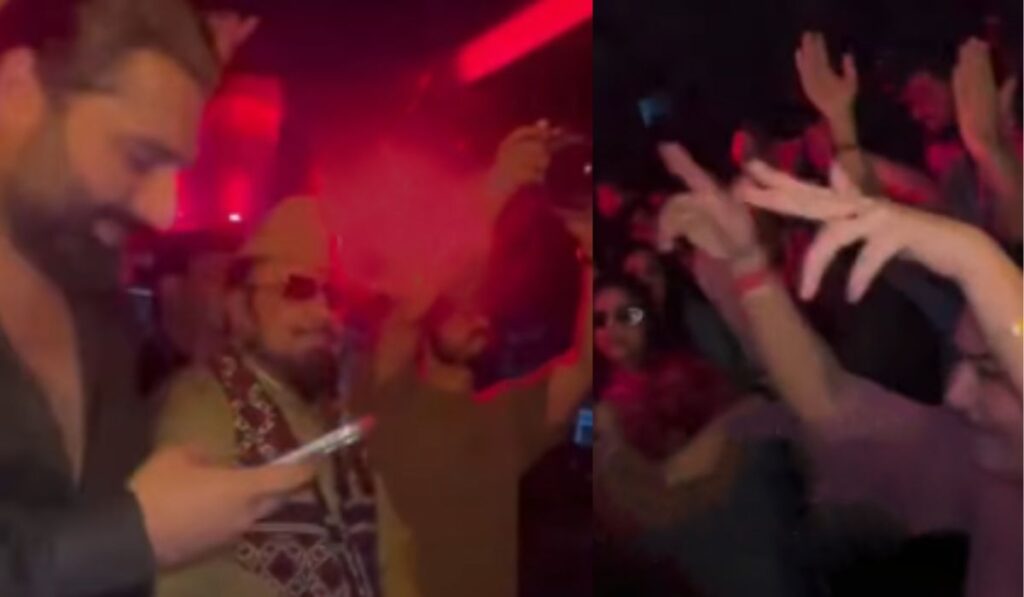
MULTAN: A viral video showing Mufti Abdul Qavi at a rave-style party has ignited widespread controversy across Pakistan, raising fresh questions about the conduct of public religious figures.
The footage, which surfaced on April 19, shows Mufti Abdul Qavi standing inside a crowded event resembling a nightclub or private rave. Loud electronic music plays as a DJ performs while attendees dance nearby. The cleric, dressed in his traditional white attire and cap, appears to observe the scene without participating.
The video quickly spread across major social media platforms, including Instagram, TikTok, and X. Hashtags linked to the incident trended nationally within hours. Users circulated clips alongside memes, criticism, and commentary questioning the presence of a religious scholar at such an event.
The reaction has been sharply divided. Many users expressed disappointment and concern over perceived contradictions between public religious messaging and private conduct. Others treated the episode humorously, sharing satirical posts that framed the incident as an unlikely cultural crossover.
Pakistan has witnessed rapid growth in social media usage over recent years. According to the Pakistan Telecommunication Authority, internet penetration crossed 50% in 2025, fueling the speed at which such controversies spread. Platforms like TikTok and X have become central spaces for public debate, particularly involving public figures.
Mufti Abdul Qavi is no stranger to media attention. The Multan-based cleric gained prominence through frequent television appearances and religious commentary. His profile expanded significantly during the mid-2010s, when religious scholars began engaging more actively with digital audiences.
However, his career has also been marked by repeated controversies. He was previously linked to high-profile incidents involving Qandeel Baloch, whose murder in 2016 sparked national debate about honor killings and media ethics. That case brought intense scrutiny on the relationship between religious figures and social media personalities.
Observers note that such incidents highlight broader tensions within Pakistani society. The country has a predominantly conservative social structure, but urban centers like Lahore and Karachi have seen the growth of modern entertainment culture. Nightlife events, including private music gatherings, have gained popularity among younger demographics.
According to a 2025 report by Gallup Pakistan, nearly 64% of urban youth engage with digital entertainment content regularly. This shift has created a visible cultural divide between traditional expectations and evolving lifestyles, particularly among public figures who operate across both spheres.
Religious scholars in Pakistan traditionally hold significant influence in shaping public opinion. Institutions and clerics often guide discourse on moral and social issues. As a result, their actions are closely scrutinized, especially when they appear to conflict with widely held interpretations of religious teachings.
As of Monday morning, Mufti Abdul Qavi has not issued an official statement addressing the video. Sources close to him suggest the clip may lack full context. However, no formal clarification has been provided, leaving room for speculation and continued online debate.
Several senior religious commentators have called for an explanation. They argue that public trust in religious leadership depends on consistency between message and behavior. Social activists have also weighed in, emphasizing the need for accountability among influential figures.
Digital analysts say the incident reflects a recurring pattern in Pakistan’s online discourse. Viral controversies often follow a similar trajectory, beginning with rapid amplification, followed by polarized reactions and calls for clarification. The absence of timely responses frequently prolongs public debate.
The rise of influencer culture has further blurred lines between public and private life. Clerics, like politicians and entertainers, now operate in an environment where visibility is constant. According to DataReportal’s 2026 digital overview, Pakistan has over 110 million social media users, making reputational risks more immediate and widespread.
Some commentators argue that the focus should remain on verified facts rather than speculation. They caution against drawing conclusions without full context, noting that short video clips can be misleading. Others maintain that the symbolism of the setting alone raises legitimate concerns.
The incident also underscores the role of digital platforms in shaping narratives. Algorithms often amplify controversial content, increasing visibility regardless of context. This dynamic can intensify public reactions before official responses emerge.
In recent years, regulatory bodies in Pakistan have attempted to address online misinformation and ethical concerns. However, enforcement remains inconsistent, particularly in cases involving viral user-generated content.
As the video continues to circulate, attention remains fixed on whether Mufti Abdul Qavi will respond publicly. His silence so far has only fueled further speculation and discussion.
The controversy highlights ongoing friction between traditional religious authority and evolving cultural norms in Pakistan. Analysts say such incidents are likely to become more frequent as digital exposure increases and societal boundaries continue to shift.
The outcome may influence how religious figures engage with public spaces in the future. It may also shape broader discussions about accountability and image in the digital age, where visibility often comes with heightened scrutiny for figures like Mufti Abdul Qavi.