 BeNewz
Related Articles



–Over 2,800 visas issued to Indian Sikh pilgrims for Baisakhi 2026, enabling visits to key religious sites amid continued bilateral tensions
BeNewz Report
New Delhi: Pakistan has issued more than 2,800 visas to Indian Sikh pilgrims for Baisakhi celebrations beginning April 10, marking a key religious exchange despite strained ties between Pakistan and India.
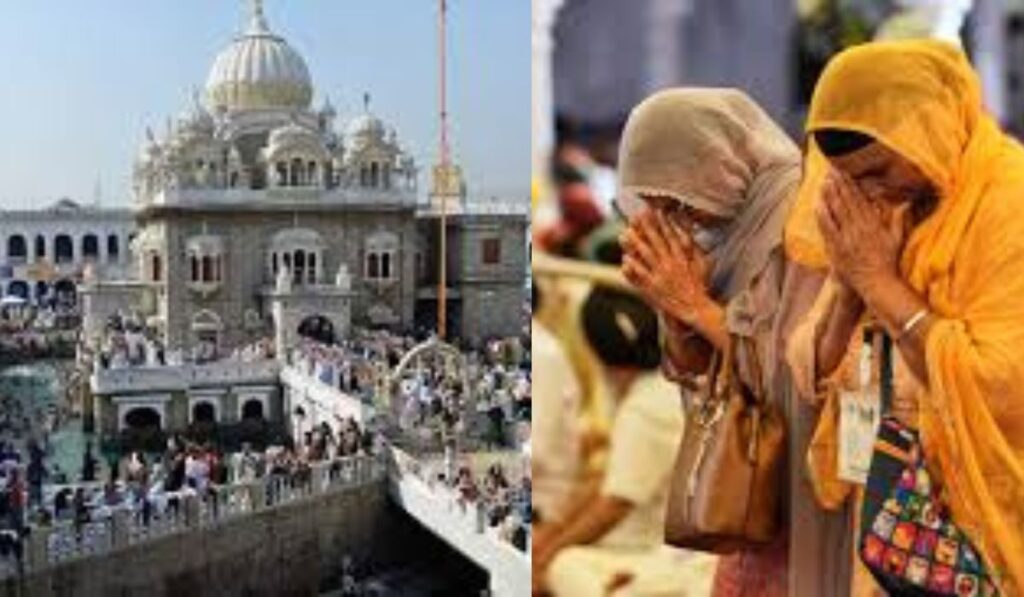
The visas were granted by the Pakistan High Commission in New Delhi, allowing devotees to attend the 10-day festival across several historic gurdwaras in Lahore and other cities. Officials said pilgrims will visit Gurdwara Panja Sahib, Gurdwara Nankana Sahib, and Gurdwara Kartarpur Sahib during the celebrations.
Most pilgrims are expected to cross into Pakistan through the Wagah Border on April 10, according to officials familiar with the arrangements. Authorities, including the Evacuee Trust Property Board, have coordinated logistics, including accommodation, transport, and security for visiting devotees.
Baisakhi marks both the Sikh New Year and the harvest season in Punjab. It also commemorates the founding of the Khalsa by Guru Gobind Singh in 1699, a defining moment in Sikh history. Religious ceremonies, processions, and communal meals will be held across gurdwaras, with continuous recitations of the Guru Granth Sahib planned throughout the festival.
The visa issuance follows the framework of the 1974 Protocol on Visits to Religious Shrines, a bilateral agreement that governs pilgrimage travel between India and Pakistan. The agreement allows limited religious access despite broader diplomatic tensions, which have persisted since the suspension of formal dialogue in recent years.
Data from Pakistan’s interior ministry shows that religious tourism has remained one of the few consistent channels of cross-border engagement. According to official figures, Pakistan hosts thousands of Sikh pilgrims annually for major events, including Baisakhi and Guru Nanak’s birth anniversary. In 2025, around 6,500 visas were issued for Baisakhi, indicating a notable decline this year, though officials did not specify reasons for the reduction.
The opening of the Kartarpur Corridor in 2019 significantly changed pilgrimage dynamics. The visa-free corridor allows Indian Sikhs to visit Gurdwara Kartarpur Sahib, where Guru Nanak spent his final years. According to Pakistan government data, more than 200,000 pilgrims have used the corridor annually since its launch, though numbers fluctuate due to political and logistical factors.
Despite this facility, pilgrims still require visas to visit other key sites such as Nankana Sahib, the birthplace of Guru Nanak, and Panja Sahib, associated with Sikh spiritual history. These locations remain central to Sikh identity and draw significant attendance during religious festivals.
Pakistan’s decision comes amid a complex geopolitical backdrop. Bilateral trade between India and Pakistan has remained largely suspended since 2019, according to the State Bank of Pakistan. Diplomatic representation is limited, and cross-border exchanges are tightly regulated. However, religious tourism has been maintained under international and bilateral commitments.
Officials say the continued facilitation of Sikh pilgrims reflects Pakistan’s efforts to promote interfaith harmony and preserve religious heritage sites. The government has invested in restoration projects at major gurdwaras in recent years. According to Pakistan’s Ministry of Religious Affairs, funding allocations for minority religious sites increased by over 30% between 2020 and 2025.
Indian Sikh organizations have welcomed the move, describing it as a positive gesture that supports religious freedom and cultural continuity. Pilgrims often describe these visits as deeply emotional, as many Sikh heritage sites are located in present-day Pakistan following the 1947 partition of British India.
The Punjab region, divided between India and Pakistan, remains central to Sikh history. According to historical estimates, over 70% of Sikh heritage sites are located in Pakistan. This geographic reality underscores the importance of cross-border access for the global Sikh community, which numbers over 25 million worldwide.
Security remains a key concern during such large-scale pilgrimages. Pakistani authorities have deployed additional personnel and medical teams to ensure safety during the festival period. Officials said emergency response systems and healthcare facilities will remain on standby throughout the visit.
The Pakistan High Commission described the visa issuance as part of ongoing efforts to maintain people-to-people contacts. Charge d’Affaires Saad Ahmad Warraich extended greetings to pilgrims, expressing hope for a peaceful and spiritually fulfilling journey.
Experts say such exchanges, though limited, play a symbolic role in maintaining dialogue between the two countries. Religious diplomacy has often served as a stabilizing factor during periods of political tension, offering opportunities for engagement outside formal negotiations.
Looking ahead, analysts expect continued focus on religious tourism as both countries navigate broader diplomatic challenges. The success of the Baisakhi pilgrimage could influence future visa policies and cultural exchanges. For now, Pakistan’s issuance of 2,800 visas for Baisakhi highlights a rare moment of cooperation between Pakistan and India, centered on shared heritage and faith.