 BeNewz
Related Articles
–Govt weighs targeted relief as fiscal space remains constrained amid stable fuel supplies
BeNewz Report
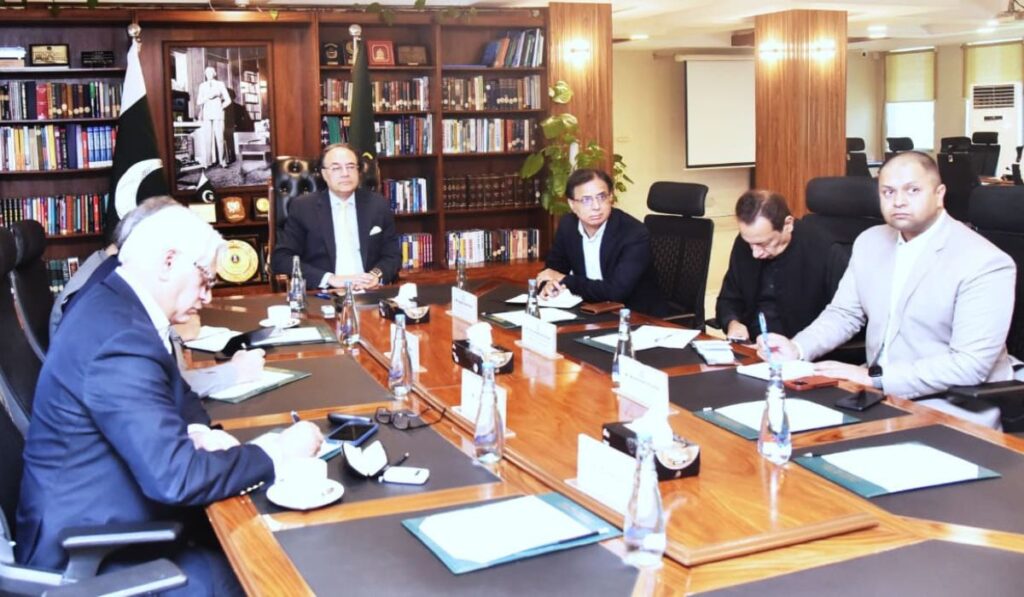
ISLAMABAD: Finance Minister Muhammad Aurangzeb chaired a high-level meeting on petroleum prices and subsidy reforms on March 27, 2026, as the government evaluates targeted relief measures while maintaining fiscal discipline, the Finance Division said.
The meeting reviewed the country’s fuel supply situation, with officials confirming that petroleum product availability remains stable across the country despite global market volatility. The Petroleum Division informed participants that supply chains are functioning smoothly, avoiding shortages seen in previous years.
Discussions focused on developing a targeted subsidy mechanism using technology to ensure transparency and efficient delivery. The Ministry of Information Technology presented proposals aimed at improving subsidy targeting through digital systems, including integration with national databases to minimize leakages and ensure benefits reach intended consumers.
Pakistan has long struggled with untargeted fuel subsidies that strain public finances. According to Finance Ministry data, petroleum levy collections remain one of the few flexible revenue streams, contributing significantly to non-tax revenues in recent fiscal years. However, limited fiscal space has restricted the government’s ability to provide broad-based relief.
Provincial representatives supported the federal government’s approach but emphasized the need for careful policy design. Sindh Chief Minister Murad Ali Shah highlighted the importance of promoting fuel conservation through behavioral changes, noting that demand-side management can reduce pressure on imports.
Punjab Senior Minister Marriyum Aurangzeb stressed the need for multiple policy scenarios to respond to fluctuating global oil prices. She said any decline in international prices should be passed on to consumers promptly, while also incorporating long-term consumption management strategies.
Khyber Pakhtunkhwa Finance Minister Muzzammil Aslam said Pakistan’s fuel supply management has performed better than several regional economies, particularly in maintaining uninterrupted availability. Balochistan Finance Minister Shoaib Nosherwani also participated in the policy discussion.
Global oil prices have remained volatile over the past year due to geopolitical tensions and supply adjustments by major producers. Pakistan, which imports a large share of its energy needs, remains vulnerable to external price shocks. Data from the State Bank of Pakistan shows that petroleum imports account for a significant portion of the country’s import bill, contributing to pressure on foreign exchange reserves.
In recent years, the government has shifted from blanket subsidies toward targeted support programs under guidance from international lenders. Commitments under the International Monetary Fund programme have required rationalization of energy subsidies and better cost recovery through tariffs and levies.
The Finance Division told participants that any relief package must be carefully calibrated to avoid undermining macroeconomic stability. Officials noted that excessive subsidies in the past contributed to fiscal imbalances and increased public debt.
Aurangzeb said the current situation should be treated as an opportunity to implement structural reforms rather than a constraint. He emphasized the use of data-driven policymaking in taxation and subsidy design to improve efficiency and transparency.
The minister also called for promoting responsible consumption patterns to reduce energy demand and ease fiscal pressures. Analysts say such measures could help moderate Pakistan’s reliance on imported fuels, which has been a recurring challenge for the economy.
Participants agreed to accelerate work on a targeted subsidy framework, with closer coordination between federal and provincial governments. The involvement of institutions such as NADRA is expected to play a key role in identifying eligible beneficiaries through verified data systems.
Pakistan’s energy sector has undergone gradual reforms over the past decade, including periodic adjustments in fuel prices and utility tariffs. However, rising global energy costs and currency depreciation have continued to push domestic prices higher, affecting inflation and household budgets.
Going forward, the success of subsidy reforms will depend on the government’s ability to balance fiscal constraints with public relief. The outcome of these policy discussions is likely to shape Pakistan’s broader energy pricing strategy and inflation outlook in the coming months.