 BeNewz
Related Articles


—Leaked private dance clip triggers backlash and support online
BeNewz Report
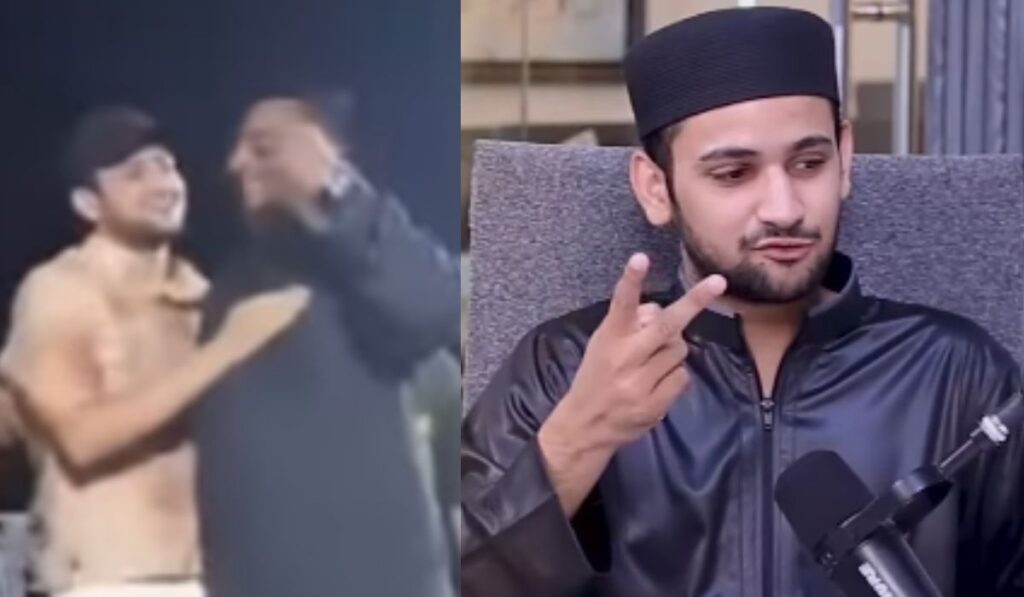
KARACHI: A private video of Pakistani content creator Maaz Safder dancing at a closed gathering went viral across social media on Friday, igniting widespread debate over digital privacy and online ethics in Pakistan.
The clip, reportedly recorded at an intimate event described as an “Op2” private party, shows Safder dancing casually with friends in a relaxed environment. The footage, not originally intended for public release, surfaced online and quickly spread across platforms including TikTok, Instagram, X, and Facebook, drawing thousands of reactions within hours.
Social media users reacted swiftly, with hashtags related to Safder trending nationwide. While many viewers described the video as entertaining and harmless, others raised concerns over the apparent breach of privacy and questioned how such personal content was leaked and circulated so widely.
Maaz Safder, who has built a strong following through family-friendly vlogs and lifestyle content, is known for maintaining a relatively composed and curated public persona. The viral clip, however, presented a more informal and candid side of the creator, surprising a section of his audience. Some users welcomed this glimpse into his personal life, calling it relatable and authentic, while others expressed discomfort over the invasion of privacy.
As of Friday evening, Safder had not issued any official statement regarding the video. His followers continued to post supportive comments, urging others to respect his personal boundaries and refrain from spreading the clip further. Several fans also criticized those who shared the video, calling for stricter norms around digital consent.
The incident highlights the growing challenges faced by public figures in Pakistan’s rapidly expanding digital ecosystem. According to DataReportal’s 2025 digital overview, Pakistan has over 110 million internet users, with social media penetration exceeding 45 percent of the population. Platforms like TikTok and Instagram have seen particularly strong growth, driven by younger demographics and increased smartphone access.
Experts say that in such an environment, content can go viral within minutes, often without verification or consideration of its source. Digital rights advocates warn that the line between public and private life has become increasingly blurred, especially for influencers and content creators who rely heavily on online engagement.
“This case underscores a recurring issue in Pakistan’s social media culture, where private content is frequently shared without consent,” said a digital media analyst based in Lahore. “There is still limited awareness about digital ethics and personal data protection, both among users and content distributors.”
Pakistan currently lacks comprehensive legislation specifically addressing online privacy violations involving leaked personal media. While the Prevention of Electronic Crimes Act (PECA) provides some legal framework for cyber offenses, enforcement remains inconsistent, and many cases go unreported or unresolved.
The entertainment and influencer industry in Pakistan has expanded significantly in recent years, with YouTubers and digital creators becoming major public figures. Industry estimates suggest that top-tier Pakistani influencers can reach ملايين viewers per post, making them highly visible but also vulnerable to scrutiny and exploitation.
Past incidents involving leaked videos or private moments of public figures have similarly sparked debate but rarely resulted in lasting regulatory or behavioral change. Analysts note that while public outrage often peaks quickly, it tends to fade without leading to systemic improvements in digital conduct.
At the same time, the incident has also reignited discussion around audience responsibility. Social media users play a critical role in amplifying or containing such content, and experts argue that ethical consumption is as important as ethical creation.
Technology companies have introduced tools to report and remove unauthorized content, but enforcement largely depends on user reporting and platform moderation speed. In many cases, by the time content is flagged and taken down, it has already been widely shared and archived elsewhere.
For content creators like Maaz Safder, the situation reflects the double-edged nature of online fame, where visibility brings both opportunity and vulnerability. As Pakistan’s digital landscape continues to evolve, questions around privacy, consent, and accountability are expected to become increasingly central to public discourse.
The Maaz Safder viral video episode adds to a growing list of incidents highlighting the urgent need for stronger awareness, clearer regulations, and more responsible user behavior in Pakistan’s social media environment.