 BeNewz
Related Articles



–Iran refuses second round of US talks in Islamabad citing pressure and ceasefire breaches, raising fresh concerns over regional stability and Pakistan’s mediation efforts
BeNewz Report
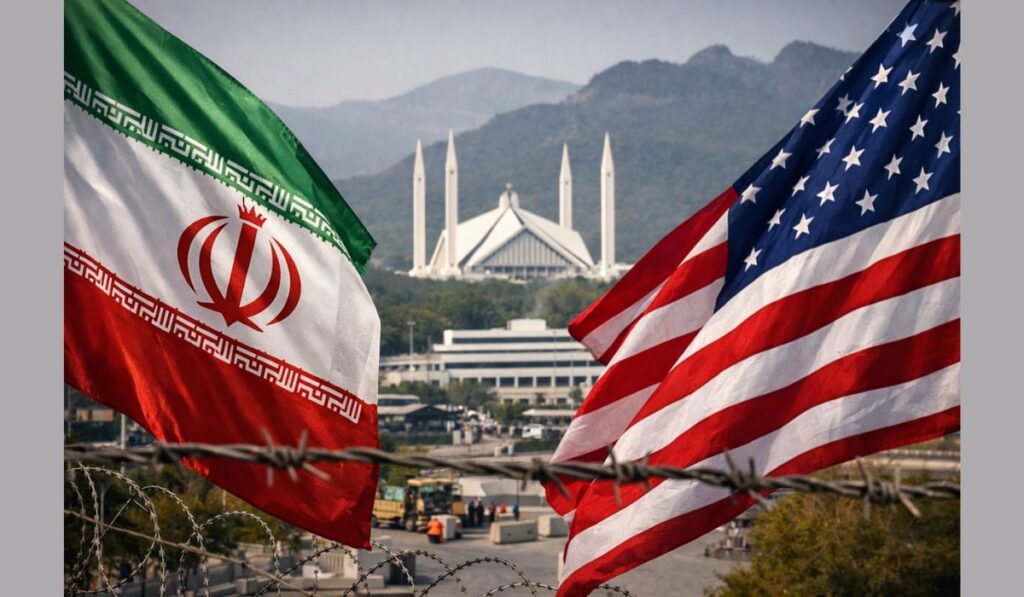
ISLAMABAD: Iran declined to attend a planned second round of talks with the United States in Islamabad, citing what it called excessive demands and shifting positions from Washington, according to state media reports released on Monday. The decision casts uncertainty over a diplomatic effort that Pakistan had hoped would ease rising regional tensions.
Iran’s official news agency said the government rejected participation due to “unrealistic expectations,” repeated changes in US positions, and alleged violations of a ceasefire through continued naval activity. The report did not specify a new date or venue for the talks, leaving the process in limbo.
The proposed meeting had gained attention after Donald Trump announced that the second round would take place in Islamabad. He had said the US delegation would include senior figures such as Jared Kushner, Steven Witkoff, and Vice President JD Vance. Tehran dismissed those statements, arguing that the US continued to apply pressure rather than pursue balanced diplomacy.
The dispute appears linked to ongoing tensions in the Strait of Hormuz, where Iran has accused US-linked naval forces of maintaining a blockade despite ceasefire understandings. The strait handles nearly 20% of global oil shipments, according to estimates from the International Energy Agency, making it one of the world’s most critical energy corridors.
Pakistan had positioned itself as a neutral facilitator in the dialogue. Prime Minister Shehbaz Sharif held a 45-minute phone call with Iranian President Masoud Pezeshkian to discuss the situation. Officials familiar with the call said both sides reviewed regional security conditions and emphasized diplomacy as the only viable path forward.
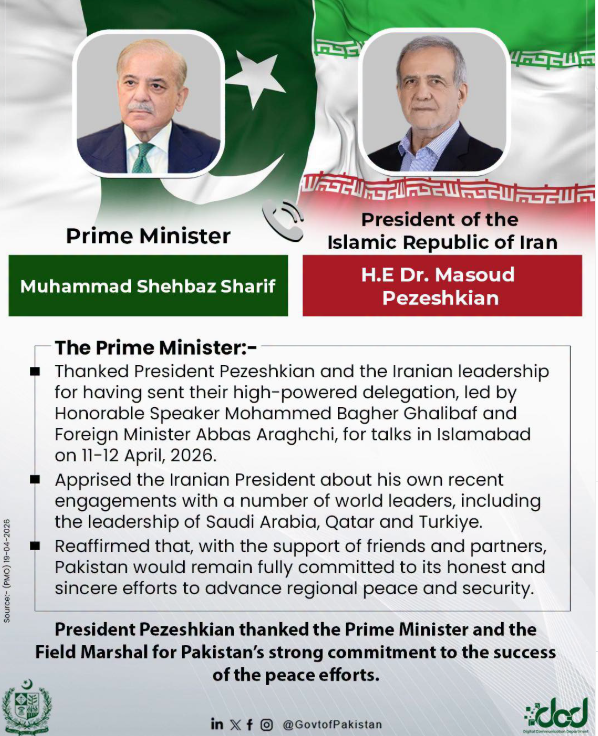
Sharif said continued engagement could help reduce tensions and promote lasting peace in the region. He also thanked the Iranian leadership for constructive exchanges with Pakistan’s military leadership, including Field Marshal Asim Munir. Iranian officials acknowledged Pakistan’s mediation efforts but maintained that current conditions were not suitable for negotiations.
Security preparations in Islamabad had been intensified ahead of the expected talks. Authorities imposed restrictions in the Red Zone, a high-security district housing key government institutions and diplomatic missions. Following Iran’s decision, officials said the situation remains fluid, with no immediate clarity on whether the talks will be rescheduled.
Analysts say the breakdown highlights deep mistrust between Tehran and Washington. Iran has long argued that US sanctions and military pressure undermine diplomatic efforts. The United States, meanwhile, has maintained that its actions are aimed at ensuring regional security and protecting international shipping routes.
Historical tensions between the two countries have repeatedly derailed negotiations. Since the US withdrawal from the 2015 nuclear agreement in 2018, relations have remained strained. Iran’s economy has faced significant pressure from sanctions, with its oil exports fluctuating sharply over recent years, according to data from the Organization of the Petroleum Exporting Countries.
Regional dynamics have further complicated diplomacy. Conflicts across the Middle East, including maritime security incidents and proxy confrontations, have raised the stakes for any direct engagement. Experts note that even limited progress in talks could have broader implications for energy markets and geopolitical stability.
Pakistan’s role as a mediator reflects its strategic interest in regional stability. The country relies heavily on energy imports, and disruptions in the Strait of Hormuz could have direct economic consequences. According to the State Bank of Pakistan, energy imports account for a significant portion of the country’s total import bill, making stability in the Gulf region critical.
Recent diplomatic efforts by Islamabad have aimed to position Pakistan as a bridge between rival powers. Officials have engaged with multiple stakeholders, including Gulf states and Western partners, to encourage dialogue. However, Iran’s refusal underscores the challenges facing such initiatives.
Global observers warn that prolonged stalemate could heighten risks in an already volatile region. Shipping insurance costs in the Gulf have previously surged during periods of tension, while oil prices tend to react quickly to any perceived threat to supply routes.
Pakistan has reiterated its commitment to facilitating dialogue despite the setback. Prime Minister Shehbaz Sharif said the country would continue contacts with both sides to support peaceful resolution efforts. Diplomatic sources said backchannel communication may still continue in the coming weeks.
The future of the proposed talks remains uncertain, but the episode highlights the fragile nature of US-Iran engagement. Without mutual trust and reduced military pressure, analysts say meaningful progress will remain difficult. Pakistan’s mediation push around Iran-US talks now faces a critical test as regional stakes continue to rise.