 BeNewz
Related Articles



—Weekly inflation eases as fuel and key food prices decline, though annual inflation remains elevated at over 12%.
Aftab Maken
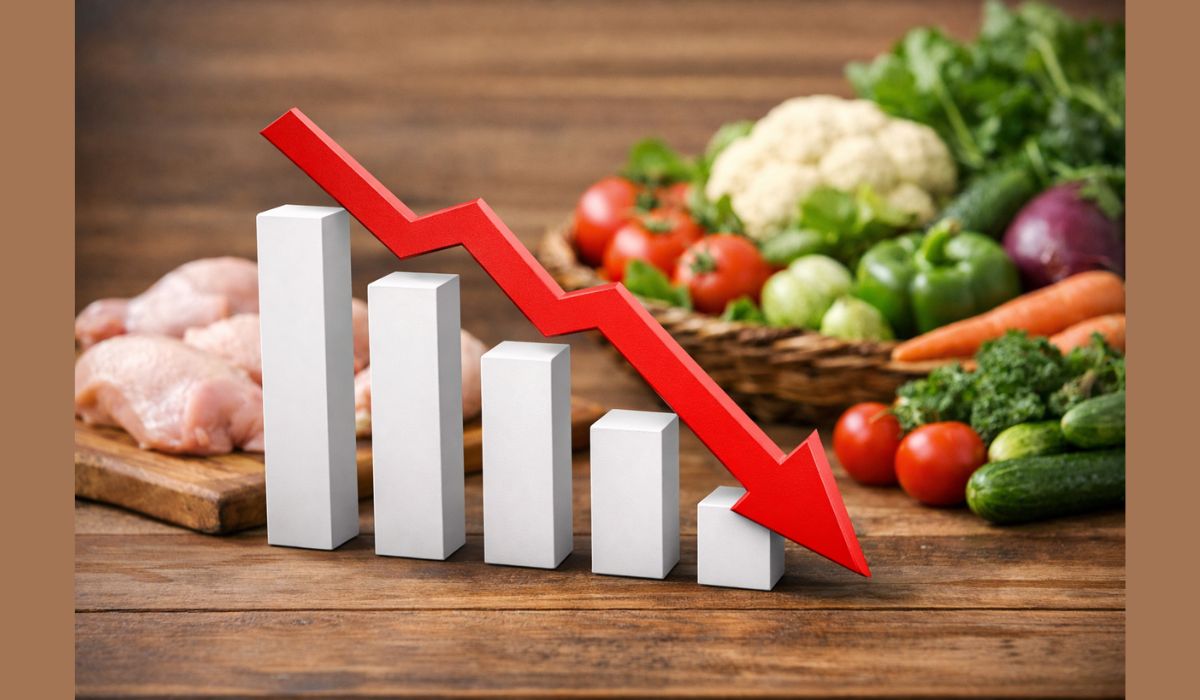
ISLAMABAD: The Sensitive Price Indicator (SPI) fell 0.69% week-on-week for the period ended April 16, 2026, reflecting a broad decline in fuel and essential food prices, according to data released by the Pakistan Bureau of Statistics.
The weekly SPI tracks short-term inflation across 51 essential items collected from 50 markets in 17 cities. The latest reading signals temporary relief for consumers after months of persistent price pressures driven by energy costs and food supply disruptions.
Fuel prices led the weekly decline, with diesel prices dropping sharply by 25.77% and petrol falling 3.10%. Liquefied petroleum gas prices also declined 4.15%, easing household energy costs. Analysts say the fuel price correction reflects recent adjustments in global oil markets and domestic pricing policies.
Food prices also contributed to the decline. Chicken prices fell 10.07%, while onions dropped 6.63% and wheat flour declined 3.34%. Bananas, garlic, and pulses also posted moderate decreases during the week. These movements indicate improved supply flows in key agricultural commodities following recent harvest cycles.
However, the downward trend was partially offset by increases in several perishable and household items. Tomato prices rose 6.27%, while bread prices increased 3.27% and eggs climbed 2.09%. Fresh milk and curd also registered modest increases, reflecting ongoing cost pressures in the dairy supply chain.
Out of the 51 tracked items, prices of 17 items increased, 17 decreased, and 17 remained unchanged during the week. The evenly distributed movement suggests a mixed inflation pattern, where relief in fuel and some food items is counterbalanced by rising costs in others.
Despite the weekly decline, the year-on-year SPI trend shows inflation remains elevated at 12.16%. This indicates that underlying price pressures persist across the economy, particularly in energy and food segments that heavily influence household spending.
Tomatoes recorded the highest annual increase at 69.35%, followed by LPG at 60.40%. Diesel and petrol prices rose 49.22% and 44.10% respectively compared to the same period last year. Onions increased 42.67%, while gas charges rose nearly 30% during the period, highlighting sustained pressure from energy tariffs.
Staple food items also remain significantly costlier on an annual basis. Wheat flour prices are up 28.80%, while chilies powder increased 15.20%. Meat prices, including mutton and beef, rose 14.67% and 13.27% respectively, reflecting higher input and feed costs.
At the same time, some items posted notable annual declines. Potato prices fell 45.43%, while pulse gram dropped 20%. Sugar prices decreased 11.65%, offering partial relief in essential food categories. Analysts attribute these declines to improved domestic production and government interventions in supply management.
Pakistan’s inflation trajectory has remained volatile over the past two years. The country faced peak inflation exceeding 30% in 2023, driven by currency depreciation, energy price adjustments, and fiscal tightening under International Monetary Fund programs. Although inflation has moderated since then, it remains above comfort levels for most households.
According to recent monetary policy statements by the State Bank of Pakistan, inflation is expected to gradually ease but remain sensitive to energy prices and exchange rate movements. The central bank has maintained a cautious stance to anchor inflation expectations and stabilize the macroeconomic environment.
The agriculture sector, which heavily influences SPI readings, has shown mixed performance. Data from the Ministry of National Food Security indicates improved wheat output in the current season, but supply chain inefficiencies and transportation costs continue to affect retail prices.
Energy pricing also remains a key driver of inflation trends. The Oil and Gas Regulatory Authority periodically adjusts fuel prices in line with global benchmarks, which directly impacts transport and production costs across the economy.
Economists note that weekly SPI fluctuations often reflect short-term supply dynamics rather than structural changes. However, sustained declines in fuel and staple food prices could help ease inflation expectations if maintained over several weeks.
Looking ahead, inflation trends will depend on global commodity prices, domestic supply conditions, and fiscal policy adjustments. Any renewed increase in fuel prices or currency depreciation could quickly reverse the recent relief.
The latest SPI data underscores that while short-term price pressures have eased, broader inflation risks persist, keeping policymakers focused on stabilizing prices and protecting consumer purchasing power in Pakistan’s fragile economic recovery.