 BeNewz
Related Articles



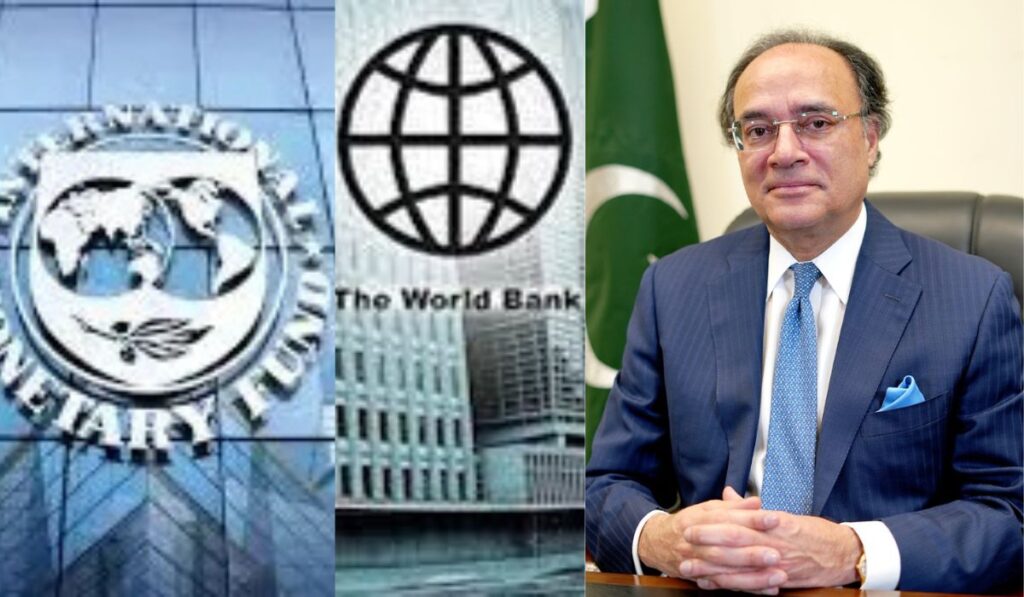
–FM departed for the United States to attend IMF and World Bank Spring Meetings, aiming to advance Pakistan’s reform agenda and secure investor confidence
Aftab Maken
ISLAMABAD: Finance Minister Muhammad Aurangzeb left for the United States to participate in the annual Spring Meetings of the International Monetary Fund and the World Bank Group, scheduled from April 13 to 18 in Washington DC. The visit comes at a critical time as Pakistan seeks to consolidate macroeconomic stability and strengthen engagement with global lenders and investors.
Before attending the main meetings, Aurangzeb will visit Boston to participate in the Pakistan Conference at Harvard University. During this engagement, he is expected to interact with academics, policymakers, and members of the Pakistani diaspora, outlining the government’s economic reform program and growth outlook. Such forums have increasingly become platforms for Pakistan to rebuild investor trust and improve its international economic image.
During the Washington leg of the visit, the finance minister will represent Pakistan in key IMF and World Bank sessions, while holding extensive bilateral meetings with global financial leaders and development partners. According to the Ministry of Finance, these discussions will focus on Pakistan’s economic performance, ongoing structural reforms, and future financing requirements.
Aurangzeb is also scheduled to meet senior leadership of international financial institutions, including World Bank Managing Director for Operations Anna Bjerde, IFC Managing Director Makhtar Diop, and MIGA head Hiroshi Matano. These engagements are expected to cover project financing, private sector investment, and risk mitigation strategies in emerging markets like Pakistan.
On the IMF side, the finance minister will hold talks with First Deputy Managing Director Gita Gopinath, Deputy Managing Director Nigel Clarke, and Middle East and Central Asia Director Jihad Azour. Pakistan’s ongoing IMF program remains central to its economic stabilization strategy, with reforms in taxation, energy pricing, and fiscal discipline forming key pillars of the arrangement.
Pakistan entered a critical IMF-supported program in recent years to address balance of payments pressures and rebuild foreign exchange reserves. According to the State Bank of Pakistan, the country’s reserves and external account position have shown gradual improvement, although vulnerabilities persist due to high debt servicing and import dependence. The IMF has repeatedly stressed the need for sustained fiscal reforms and improved revenue collection.
The finance minister will also meet senior officials from the United States government, including representatives from the State Department and the Treasury Department, as well as US Trade Representative Jamieson Greer. These discussions are expected to address trade relations, investment flows, and broader economic cooperation between Pakistan and the United States.
Aurangzeb’s schedule includes meetings with leading global financial institutions and investors, including Franklin Templeton, Rothschild & Co, Citibank, and JPMorgan. These engagements are aimed at attracting foreign investment and highlighting Pakistan’s improving macroeconomic indicators. Pakistan has been working to regain access to international capital markets after facing credit rating downgrades in recent years.
He will also meet representatives of global development organizations, including IFAD, the Gates Foundation, the Asian Development Bank, JICA, and the Asian Infrastructure Investment Bank. These institutions play a crucial role in financing infrastructure, social protection, and climate resilience projects in Pakistan.
The visit includes participation in key global forums such as the G-24 meeting and the Finance Ministers’ Climate Action coalition. Climate finance remains a major priority for Pakistan, which has faced increasing economic losses from extreme weather events in recent years. According to World Bank estimates, climate-related disasters have cost Pakistan billions of dollars, underscoring the need for sustainable financing solutions.
A key highlight of the visit will be Aurangzeb’s participation in a World Bank session showcasing Pakistan’s social protection initiatives under the Benazir Income Support Programme. The program has been widely recognized for its digital cash transfer system, which supports millions of low-income households across the country.
In addition, the finance minister will attend investment forums and roundtable discussions hosted by global financial institutions such as Jefferies, JPMorgan, and Citibank. These platforms will allow Pakistan to present its reform progress, economic indicators, and investment opportunities to a global audience.
Aurangzeb will also participate in an event on Roshan Digital Accounts and remittances, organized in collaboration with the State Bank of Pakistan at the Pakistani Embassy in Washington. Remittances remain a vital source of foreign exchange for Pakistan, contributing over $25 billion annually, according to central bank data.
Meetings with international credit rating agencies, including Fitch, Moody’s, and S&P Global, are also scheduled. Pakistan has been seeking rating upgrades to regain investor confidence and reduce borrowing costs in international markets.
The finance minister is also expected to address leading think tanks, including the Atlantic Council, where he will outline Pakistan’s economic roadmap and reform priorities. Engagement with policy institutions is seen as critical for shaping international perceptions and influencing investor sentiment.
During the visit, Aurangzeb will meet counterparts and senior officials from key partner countries, including China, Saudi Arabia, the United Arab Emirates, Turkiye, and the United Kingdom. These countries have played a significant role in providing financial support and investment to Pakistan during recent economic challenges.
Officials said the finance minister will participate in more than 50 meetings and events during the visit, reflecting Pakistan’s active engagement with the global economic community. The government views this outreach as essential for sustaining economic recovery and strengthening partnerships with multilateral and bilateral stakeholders.
The visit underscores Pakistan’s efforts to stabilize its economy, implement reforms, and rebuild credibility with global financial institutions. Analysts say sustained engagement with the IMF and World Bank will remain crucial for maintaining macroeconomic stability and unlocking future growth, placing Muhammad Aurangzeb at the center of Pakistan’s ongoing economic diplomacy.