 BeNewz
Related Articles



–Pakistan says Iran, US agree to immediate ceasefire, invites talks in Islamabad on April 10 to pursue lasting peace deal
Aftab Maken
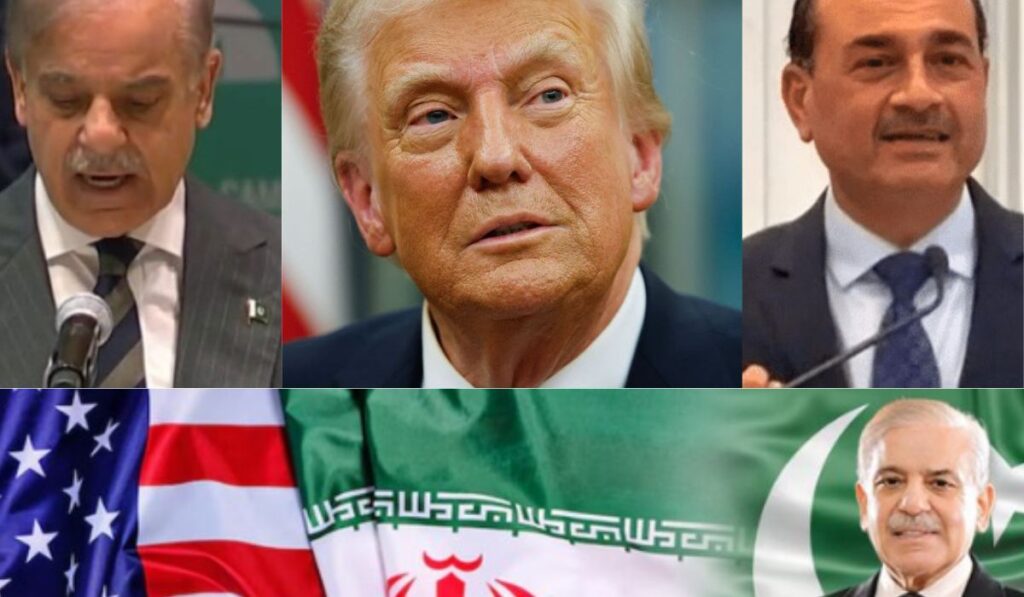
ISLAMABAD: Pakistan on Thursday said Iran and the United States have agreed to an immediate and comprehensive ceasefire, marking a significant diplomatic development amid prolonged regional tensions. Prime Minister Shehbaz Sharif announced the breakthrough, stating the truce would take effect immediately across all conflict zones, including Lebanon.
The announcement came in an official statement posted by the Government of Pakistan, where Sharif expressed “greatest humility” in sharing the development. He said both sides, along with their respective allies, had demonstrated “remarkable wisdom and understanding” by agreeing to halt hostilities without delay.
Sharif welcomed the move as a “sagacious gesture” and extended gratitude to the leadership in Tehran and Washington. He also invited delegations from both countries to Islamabad on April 10 for further negotiations aimed at reaching a comprehensive and lasting settlement of disputes.
The proposed talks, referred to as the “Islamabad Talks,” are expected to focus on de-escalation mechanisms, regional stability, and a broader framework for peace. Pakistani officials indicated that Islamabad is positioning itself as a neutral facilitator to bridge longstanding divides between the two sides.
Tensions between Iran and the United States have shaped Middle East geopolitics for decades, often spilling into proxy conflicts in countries such as Lebanon, Syria, and Iraq. Analysts say any ceasefire covering multiple theatres could signal a rare moment of convergence between rival powers and their allies.
According to recent international assessments, regional instability has intensified over the past year, with cross-border incidents and proxy engagements increasing security risks. Lebanon, in particular, has remained a flashpoint due to the presence of armed groups and external influence from competing regional actors.
Pakistan’s role as a mediator reflects its longstanding diplomatic ties with both Tehran and Washington. Islamabad has historically advocated dialogue and conflict resolution through multilateral engagement, particularly within the framework of the Organisation of Islamic Cooperation and the United Nations.
Sharif said both parties had remained “constructively engaged” in pursuit of peace, suggesting that backchannel diplomacy may have preceded the public announcement. While no details were disclosed about the terms of the ceasefire, officials hinted that confidence-building measures could follow during the Islamabad meeting.
The development comes at a time when global powers are increasingly calling for de-escalation in the Middle East to stabilize energy markets and reduce geopolitical risks. According to energy analysts, disruptions linked to regional tensions have periodically affected oil supply expectations, influencing global prices.
Pakistan’s invitation to host talks also aligns with its broader foreign policy objective of enhancing its diplomatic profile. In recent years, Islamabad has sought to expand its role in conflict mediation, including efforts related to Afghanistan and broader regional security dynamics.
Observers caution that sustaining the ceasefire will depend on compliance by allied groups and effective monitoring mechanisms. Previous attempts at de-escalation in the region have faltered due to mistrust and competing strategic interests among stakeholders.
Sharif expressed optimism that the Islamabad Talks would lead to “sustainable peace” and said Pakistan hopes to share further positive developments in the coming days. He did not specify whether international organizations would participate in the negotiations.
The announcement has yet to be independently confirmed by officials in Tehran or Washington. However, diplomatic sources suggest that preliminary contacts have been ongoing in recent weeks, raising expectations of a possible breakthrough.
If confirmed, the ceasefire could mark a turning point in efforts to stabilize the Middle East and reduce the risk of broader conflict. Analysts say sustained engagement and political will from both sides will be crucial in translating the ceasefire into a durable peace framework.
Pakistan’s initiative to convene the Islamabad Talks underscores its intent to play a central role in facilitating dialogue. The outcome of the proposed meeting could shape the trajectory of regional diplomacy in the coming months, particularly if it results in a structured agreement between Iran and the United States.