 BeNewz
Related Articles
–Rising fuel costs push Metro, intercity fares higher, while transporters warn of 60% hike and possible nationwide disruption
Aftab Maken
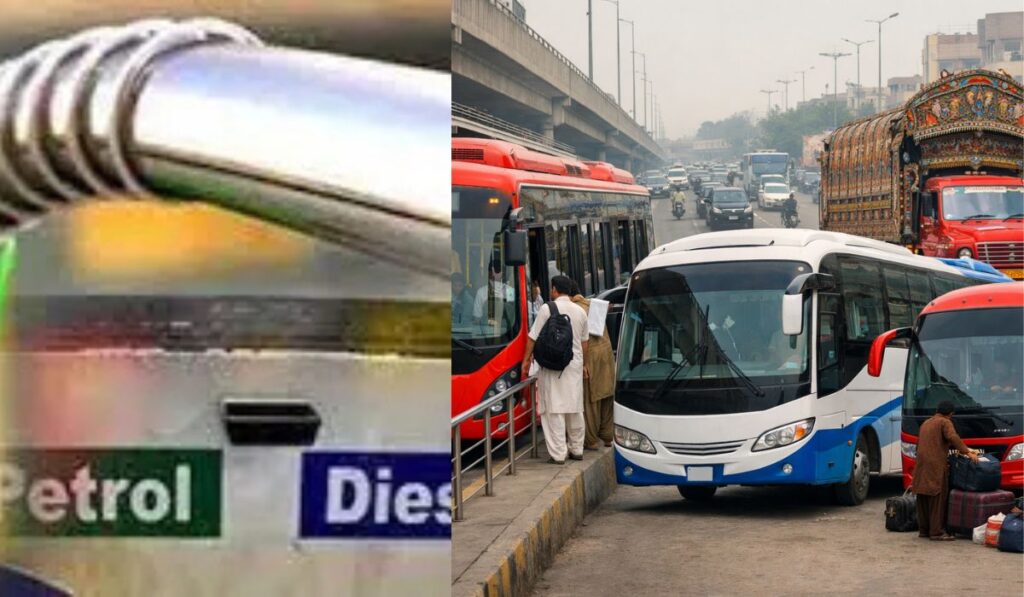
ISLAMABAD: The commuters are facing rising travel costs as fuel price increases ripple through public and private transport, with authorities and operators adjusting fares to offset mounting diesel and operating expenses.
The Punjab Mass Transit Authority raised Metro Bus fares by 33% effective March 26, increasing the standard ticket from Rs 30 to Rs 40 across Lahore, Rawalpindi, and Multan. Officials said the adjustment reflects higher fuel costs and maintenance expenses, though Green Transport Card users continue to pay a subsidized Rs 25 fare.
The fare hike comes as Pakistan’s broader transport sector intensifies pressure on the government over surging petroleum prices. President of the Pakistan Goods Transport Alliance Malik Shahzad Awan warned that goods transporters will raise fares by up to 60% nationwide, citing sharp increases in diesel costs that directly impact freight operations.
Awan said petrol prices have climbed by Rs 205 per litre and diesel by Rs 263.78 per litre over the past three months. He warned that failure to revise policies could halt transport operations across the country, disrupting supply chains and accelerating inflation.
Punjab’s intercity travel segment has already seen fare increases following earlier fuel adjustments. Private operators, including Faisal Movers and Daewoo Express, raised ticket prices by 20% to 25% in March on major routes such as Lahore to Islamabad, Karachi, Multan, and Faisalabad. Industry data shows premium fares for long-distance routes like Lahore to Karachi now range between Rs 5,900 and over Rs10,000, while shorter executive trips such as Lahore to Islamabad cost between Rs 2,000 and Rs 3,300.
Although no new province-wide notification has been issued as of April 3 for further fare revisions, operators typically pass on fuel cost increases quickly. Market participants expect additional upward adjustments in the coming days, particularly if diesel prices remain elevated.
Pakistan’s transport sector handles nearly 90% of domestic freight movement, according to National Transport Research Centre estimates, making it highly sensitive to fuel price fluctuations. Diesel accounts for the bulk of transport fuel consumption, linking freight rates directly with petroleum pricing trends.
The Oil and Gas Regulatory Authority attributes recent fuel price movements to global crude volatility and exchange rate pressures. The State Bank of Pakistan has also identified energy imports as a key driver of inflation and external account stress in its latest policy assessment.
Rising transport costs are already feeding into broader inflation. Data from the Pakistan Bureau of Statistics shows that fuel and transport charges are major contributors to the Consumer Price Index, particularly affecting food prices and essential goods distribution.
Historically, similar fuel price shocks in 2022 and 2023 triggered sharp increases in transport fares and contributed to double-digit inflation. Economists say transport costs act as a multiplier, raising expenses across agriculture, manufacturing, and retail sectors simultaneously.
Punjab authorities, under Chief Minister Maryam Nawaz, have stepped up monitoring to prevent overcharging at bus terminals. Enforcement teams have been directed to ensure compliance with approved fares and curb black marketing, especially during peak travel periods.
Officials have advised commuters to verify fares through operator apps and booking platforms such as Bookme.pk, noting that prices may vary based on demand, route, and service class. Display of official fare lists at terminals remains mandatory to improve transparency.
Despite these measures, commuters continue to face financial strain as transport costs rise alongside broader inflation. Transporters argue that higher fuel prices, increased tolls, and expensive imported spare parts have eroded margins, leaving fare hikes as the only viable option.
Pakistan remains under fiscal pressure to align fuel prices with global markets under its International Monetary Fund programme, limiting the government’s ability to offer subsidies. Analysts warn that if transporters proceed with the proposed 60% increase, the impact will extend beyond passengers to goods pricing nationwide.
The evolving standoff between transporters and policymakers is likely to shape inflation trends in the coming weeks, as rising fuel costs continue to drive fare increases across Punjab and beyond, placing sustained pressure on commuters and the wider economy.