 BeNewz
Related Articles



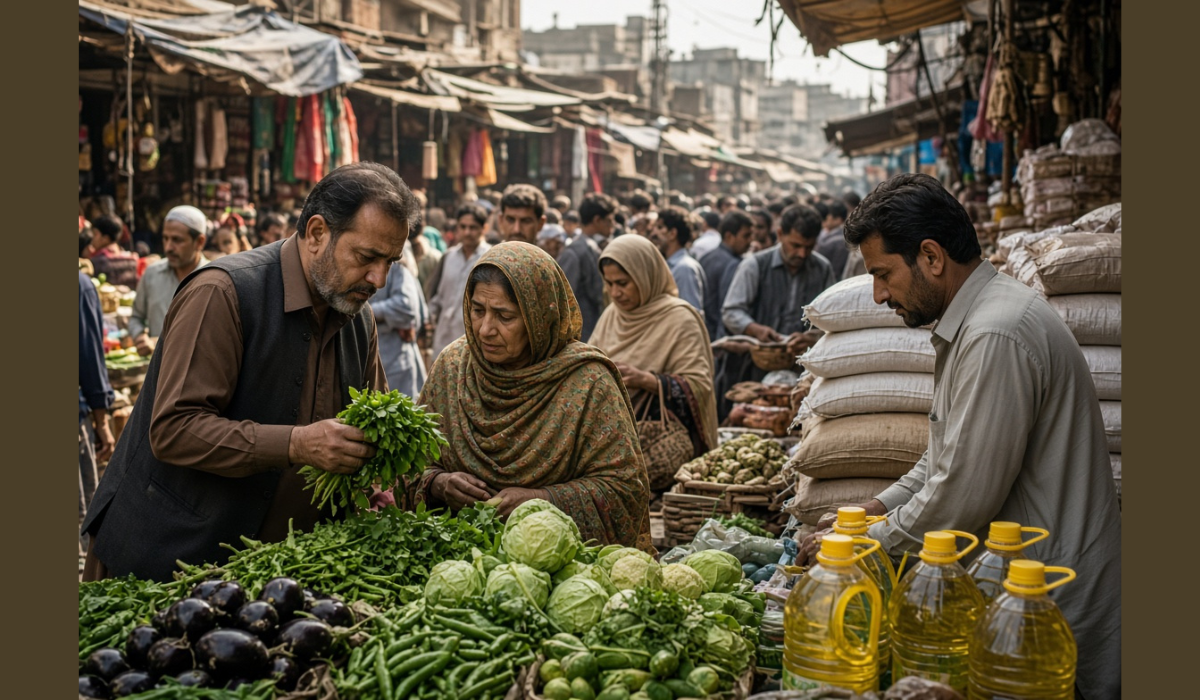
Onion prices jump 14%, petrol up nearly 4%
Aftab Maken
ISLAMABAD: Pakistan’s short-term inflation gauge, the Sensitive Price Indicator (SPI), rose by 0.49 percent for the week ended August 20, 2026, driven chiefly by a sharp spike in onion prices and a fresh round of fuel hikes, according to data released by the Pakistan Bureau of Statistics (PBS). On a year-on-year basis, the SPI is now up 9.66 percent.
The SPI, which tracks 51 essential items across 50 markets in 17 cities, showed prices of 23 items (45.1 percent of the basket) rising during the week, 10 items (19.6 percent) falling, and 18 items (35.3 percent) holding steady.
Kitchen staples lead the increase
Onions were the standout mover, climbing 14.17 percent week-on-week and a striking 132.52 percent compared with the same week last year — the largest annual increase of any item in the basket. Chicken rose 3.35 percent for the week, garlic 2 percent, and pulse gram nearly 1 percent. Prepared tea, Lipton tea, fresh milk, cooked daal, washing soap and cigarettes also edged higher.
The onion spike is not new. Traders in major wholesale markets have been flagging a widening gap between supply and demand for weeks. According to Haji Shahjehan, president of the Falahi Anjuman Wholesale Vegetable Market on Super Highway, supplies of new-season onion from Sindh started weak, with a pickup expected only later in the season — meaning consumers may not get relief immediately (FreshPlaza). Separately, reporting from Lahore this month found that monsoon rains and a goods-transporters’ strike had disrupted supplies of perishable produce and poultry, pushing retail prices above official district rates in several markets (Profit, Pakistan Today) — a pattern consistent with the volatility now showing up in the national SPI numbers.
Fuel costs add to the pressure
Petrol was the biggest driver on the non-food side, up 3.77 percent for the week. The increase follows Pakistan’s shift this month to a daily fuel-pricing mechanism, under which OGRA now calculates pump prices daily using a rolling average of international oil benchmarks, freight costs and currency movements, rather than the previous fortnightly review (Mashriq TV). The change came alongside a separate cost pressure: the government recently raised the dealers’ margin on petrol and diesel, after the Economic Coordination Committee approved lifting the margin from Rs8.64 to Rs9.98 per litre (ARY News), to head off a threatened strike by fuel station operators. On an annual basis, petrol is up 27.65 percent and diesel 33.08 percent, even though diesel actually fell 5.15 percent this week and LPG dipped 1.04 percent, offering some relief on the cooking-fuel side.
Relief elsewhere in the basket
Not every item moved higher. Eggs fell 5.78 percent for the week, tomatoes dropped nearly 5 percent, and potatoes, bananas, sugar and several pulses also became cheaper. Year-on-year, potatoes remain the biggest decliner in the basket, down 30 percent, followed by sugar (-19.1 percent), chicken (-17.68 percent) and eggs (-17.41 percent) — a reminder that this week’s headline increase masks a mixed picture across the 51-item basket.
The bigger inflation picture
This week’s reading continues a pattern seen through August: weekly SPI inflation has moved between roughly 0.15 percent and 0.49 percent over the past three data releases, with the annual rate drifting between 9.1 percent and 9.7 percent. That sits well below the double-digit readings of earlier in the year — headline consumer inflation had eased to 9.2 percent in July from 11.1 percent in June, even as food inflation accelerated to 10.6 percent (Trading Economics) — suggesting that while overall price growth has cooled from its 2026 peak, food remains the main source of pressure on household budgets. The State Bank of Pakistan has held its policy rate steady for several consecutive reviews, with its Monetary Policy Committee citing an improving macroeconomic outlook even as it watches food and energy prices closely.
By income group, the PBS data show the pain is not evenly spread: the lowest-income quintile (households earning up to Rs17,732 a month) saw a 0.38 percent weekly increase and a 9.87 percent annual rise — both broadly in line with, and in the annual case higher than, the 9.66 percent recorded for the combined national average, underlining how exposed lower-income households remain to swings in food and fuel prices.