 BeNewz
Related Articles
Aftab Maken
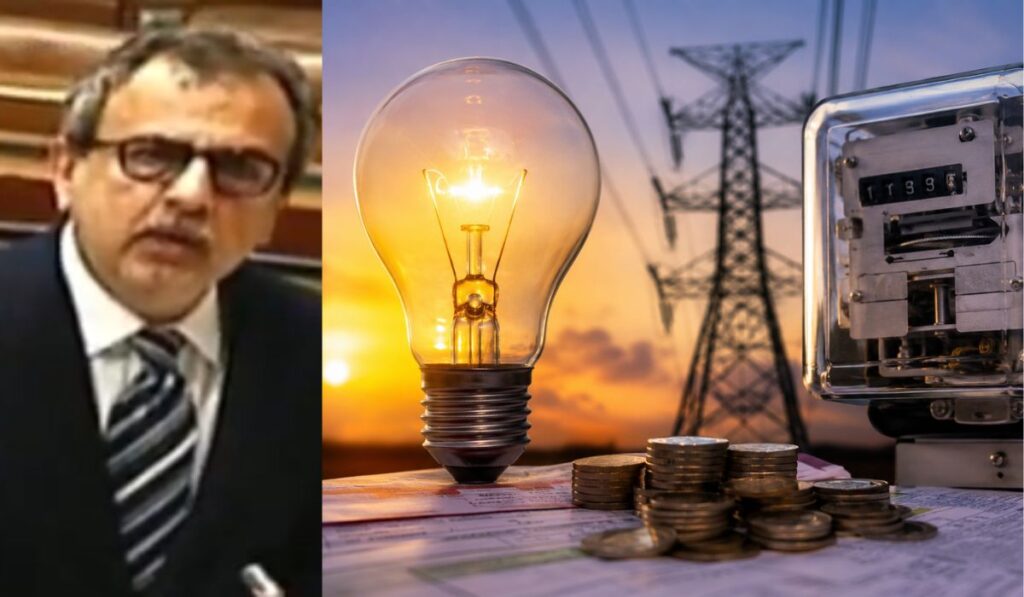
ISLAMABAD: The Power Division has prevented a projected Rs5 to Rs6 per unit increase in electricity tariffs for June 2026 through emergency fuel management measures and power sector reforms, while consumers may receive relief of up to 20 paisa per unit.
The Power Divison said on Sunday that despite the Iran-US conflict, severe RLNG shortages and a sharp rise in global fuel prices, electricity tariffs would remain largely unchanged for June due to timely policy interventions and operational decisions.
According to the Power Division, the monthly fuel cost adjustment for April 2026 was initially projected to increase by Rs5 to Rs6 per unit following an unprecedented surge in international fuel prices. However, the actual adjustment was restricted to Rs1.73 per unit through alternative fuel arrangements, moderate load management and changes in the power generation mix.
The ministry said consumers would also receive a Rs1.93 per unit reduction under the quarterly tariff adjustment for the first quarter of 2026, covering January to March. The relief package, valued at Rs65 billion, will remain effective for the next three months.
Officials said the impact of the quarterly adjustment and the monthly fuel adjustment would largely offset each other, resulting in no significant change in electricity rates for June compared with tariffs charged between January and May 2026.
The government said it successfully prevented nearly Rs38 billion in additional costs from being passed on to consumers during April alone. Overall, the combined impact of tariff adjustments resulted in a net Rs46 billion benefit for electricity users.
Pakistan’s power sector has come under pressure in recent months following disruptions in global energy markets linked to the Iran-US conflict. The ministry said the reference tariff had been calculated on the assumption of Brent crude prices at $70 per barrel for RLNG-based generation, but prices surged to nearly $120 per barrel in April 2026.
The statement said RLNG supply shortages forced authorities to increase electricity generation from furnace oil and imported coal plants, while additional local gas allocations and controlled load management helped stabilize the system.
Officials said the reduction in quarterly adjustments was driven by higher electricity demand, lower transmission and distribution losses, tariff stability and increased consumption under incremental tariff packages.
National Electric Power Regulatory Authority had originally determined the base tariff using projections for fuel prices, exchange rates, demand patterns and generation mix. However, regional geopolitical tensions significantly altered the energy outlook and fuel supply conditions.
Pakistan’s energy sector continues to face challenges from rising circular debt, expensive imported fuels and weak transmission infrastructure. The government has accelerated reforms aimed at reducing losses, improving recoveries and expanding alternative energy sources to stabilize the power sector and protect consumers from future price shocks.
