 BeNewz
Related Articles
–Regulator hears plea to raise power tariff by Rs 0.27
BeNewz Report
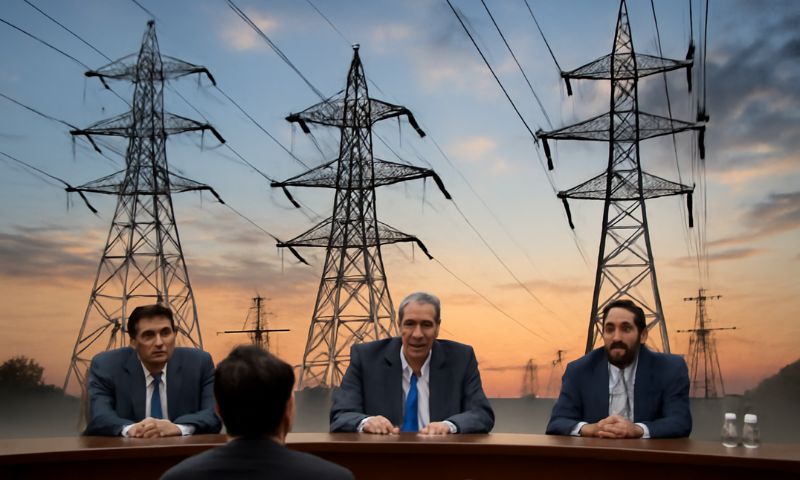
ISLAMABAD: Power regulator–National Electric Power Regulatory Authority (NEPRA)– on Monday held a hearing on a request to increase electricity prices by Rs 0.27 per unit under the monthly fuel adjustment for March, as cost pressures in the energy sector persist.
The hearing, chaired by Waseem Mukhtar, was told that the reference fuel price for March was set at Rs7.99 per unit, while the actual cost stood higher at Rs8.26 per unit, prompting the proposed adjustment.
Officials from the power division said Pakistan’s long-term liquefied natural gas (RLNG) agreements with Qatar operate under “take-and-pay” terms, meaning payments must be made regardless of actual consumption. Responding to questions, they added that domestic gas is also being utilised, with around 150 mmcfd reported as surplus during the period.
Authorities dismissed reports of any imminent increase in the base tariff, stating that such a revision is not expected before January 2027. They maintained that no proposal currently indicates a rise in the base electricity tariff.
A key issue raised during the hearing was revenue-based load shedding. The regulator categorically termed the practice illegal, with NEPRA member Amna Ahmed stating that load shedding on the basis of financial losses or recovery shortfalls is not permitted under the law.
However, when questioned by journalists about the apparent contradiction between the regulator’s stance and the power division’s continued support for the practice, both sides avoided giving a clear legal explanation, leaving the issue unresolved.
Energy officials also shared cost comparisons of different fuel sources, stating that electricity generated from imported RLNG costs around Rs40 per unit, while generation using furnace oil rises to approximately Rs60 per unit. They added that procuring LNG through spot cargoes is unlikely to significantly increase overall fuel costs.
Experts say fuel price adjustments are a routine mechanism reflecting global energy price fluctuations, but structural challenges such as circular debt and load management continue to weigh heavily on Pakistan’s power sector.
The National Electric Power Regulatory Authority is expected to issue a final decision after reviewing all stakeholder inputs, which will determine whether the proposed increase is passed on to consumers in upcoming bills.