 BeNewz
Related Articles
BeNewz Report
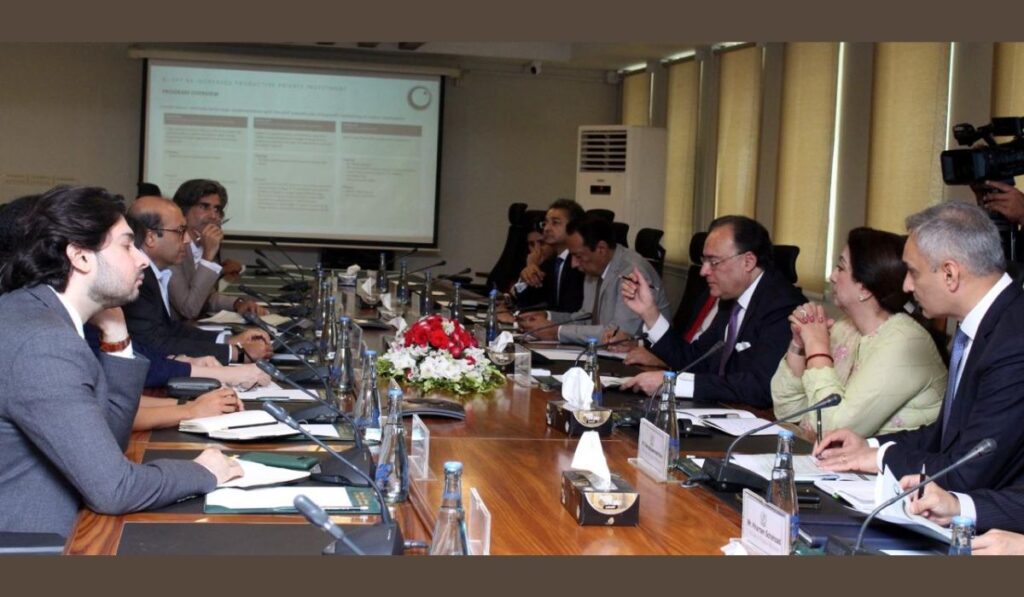
ISLAMABAD: Finance Minister Muhammad Aurangzeb and World Bank officials reviewed Pakistan’s tax reforms, debt management strategy and institutional transformation plans during talks in Islamabad on Monday.
Federal Minister for Finance and Revenue Muhammad Aurangzeb held discussions with a World Bank delegation led by Bolormaa Amgaabazar to review progress on economic reforms, institutional modernization and technical assistance programmes, the Finance Division said on Monday.
The meeting focused on public financial management reforms, debt management, private sector development and capacity-building initiatives being supported by the World Bank. Officials also reviewed implementation timelines, coordination mechanisms and operational arrangements linked to ongoing reform programmes.
Aurangzeb said technical assistance initiatives should remain focused and aligned with clearly defined reform goals. He stressed the need for international expertise and practical implementation support while strengthening the government’s internal institutional capacity.
The discussions also covered the government’s ongoing transformation of the Federal Board of Revenue through reforms centered on people, technology and administrative processes. Aurangzeb highlighted progress in automation, digitization, procedural simplification and technology-driven monitoring systems aimed at improving tax administration and taxpayer facilitation.
The World Bank team shared updates on technical support linked to Pakistan’s Medium-Term Revenue Strategy, Tax Policy Office and broader FBR modernization efforts. Both sides discussed measures to accelerate implementation and improve coordination to ensure reforms remain aligned with fiscal and governance objectives.
Pakistan has intensified revenue reforms under commitments linked to the International Monetary Fund programme approved in 2024. According to Finance Ministry data, the country aims to raise the tax-to-GDP ratio above 13% over the medium term to stabilize public finances and reduce reliance on external borrowing. The State Bank of Pakistan has also repeatedly stressed the need for structural reforms to broaden the tax base and improve fiscal sustainability.
Talks further covered structural reforms aimed at supporting export-led growth and private sector investment. Participants discussed regulatory reforms, trade facilitation, export competitiveness, credit market access and capital market development.
Aurangzeb emphasized the government’s strategy to deepen domestic debt and capital markets and reduce dependence on bank financing. Pakistan’s domestic debt stock exceeded Rs47 trillion by the end of 2025, according to central bank figures, increasing pressure on authorities to diversify financing sources and strengthen investor confidence.
The meeting also reviewed labour market reforms, vocational skills development and overseas employment opportunities. Officials discussed workforce competitiveness, public sector efficiency and long-term growth strategies aimed at creating sustainable employment opportunities.
Pakistan’s economy has shown signs of stabilization after high inflation and external financing pressures over the past two years. The World Bank earlier projected Pakistan’s economic growth at around 3% for fiscal year 2026, supported by easing inflation, improved agricultural output and ongoing structural reforms. Both sides reaffirmed their commitment to continued collaboration on Pakistan’s broader economic reform agenda and institutional modernization efforts.
