 BeNewz
Related Articles

–Govt shifts toward commercial financing, plans Panda bond
Aftab Maken
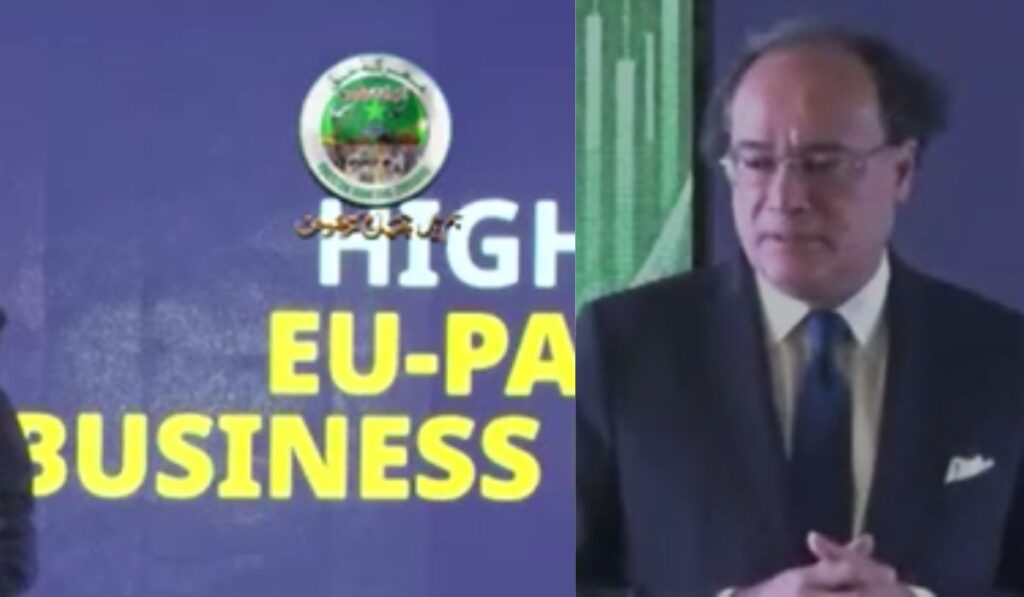
ISLAMABAD: Finance Minister Muhammad Aurangzeb said Pakistan is expected to receive a $1.2 billion tranche from the International Monetary Fund next month, marking a key step under the ongoing economic reform programme.
Speaking to media in Islamabad, the minister said an IMF mission is scheduled to visit Pakistan in mid-May for consultations on the upcoming federal budget. He noted that discussions are underway to align fiscal planning with programme targets and ensure continued macroeconomic stability.
Aurangzeb said the government does not intend to seek additional financing from friendly countries beyond existing arrangements, adding that Pakistan is now shifting its focus toward commercial financing avenues. He described the move as part of a broader strategy to reduce reliance on bilateral support and strengthen engagement with international financial markets.
The minister announced plans to issue a $250 million Panda bond in May, with guarantees already secured from the Asian Development Bank and the Asian Infrastructure Investment Bank. He added that discussions with Chinese authorities on the bond issuance are in their final stages.
He further stated that Pakistan plans to tap global markets through additional Eurobonds and Sukuk bonds over the next two to three years, aiming to diversify funding sources and improve external account resilience.
Commenting on the economic outlook, Aurangzeb said Pakistan’s economy is gradually improving, supported by policy measures implemented in recent months. Data from the State Bank of Pakistan has shown easing inflation and relatively stable external indicators, reflecting early signs of recovery.
Addressing regional developments, the minister said tensions in the Middle East have affected energy infrastructure globally, but Pakistan’s domestic supply of fertilizer and food remains stable. He added that the country has not faced any significant disruption in these sectors despite external pressures.
Aurangzeb also noted that workers’ remittances remain resilient, with no major decline observed even amid geopolitical uncertainty. In particular, inflows from the United Arab Emirates have remained stable, providing continued support to Pakistan’s external finances.
Economists say the expected IMF disbursement will provide short-term liquidity support and help bolster investor confidence. They add that the government’s shift toward commercial borrowing and bond issuance reflects a transition toward market-based financing, though it will require careful management to maintain debt sustainability.
With budget talks approaching and external risks still present, analysts believe Pakistan’s economic trajectory will depend on continued reform implementation and global financial conditions in the coming months.
Meanwhile, Radio Pakistan reported that Finance Minister Muhammad Aurangzeb has said Pakistan’s economic growth will be about four percent this fiscal year.
The Finance Minister said the country has been consolidating gains in terms of macroeconomic indicators. He mentioned that our current account surplus was a little over one billion dollar in March this year, expressing satisfaction over IT exports, the positive trajectory of value added segments as well as increase in remittances.
Muhammad Aurangzeb said the country’s foreign exchange reserves are expected to reach around eighteen billion dollars by the end of June, providing an import cover of three months.
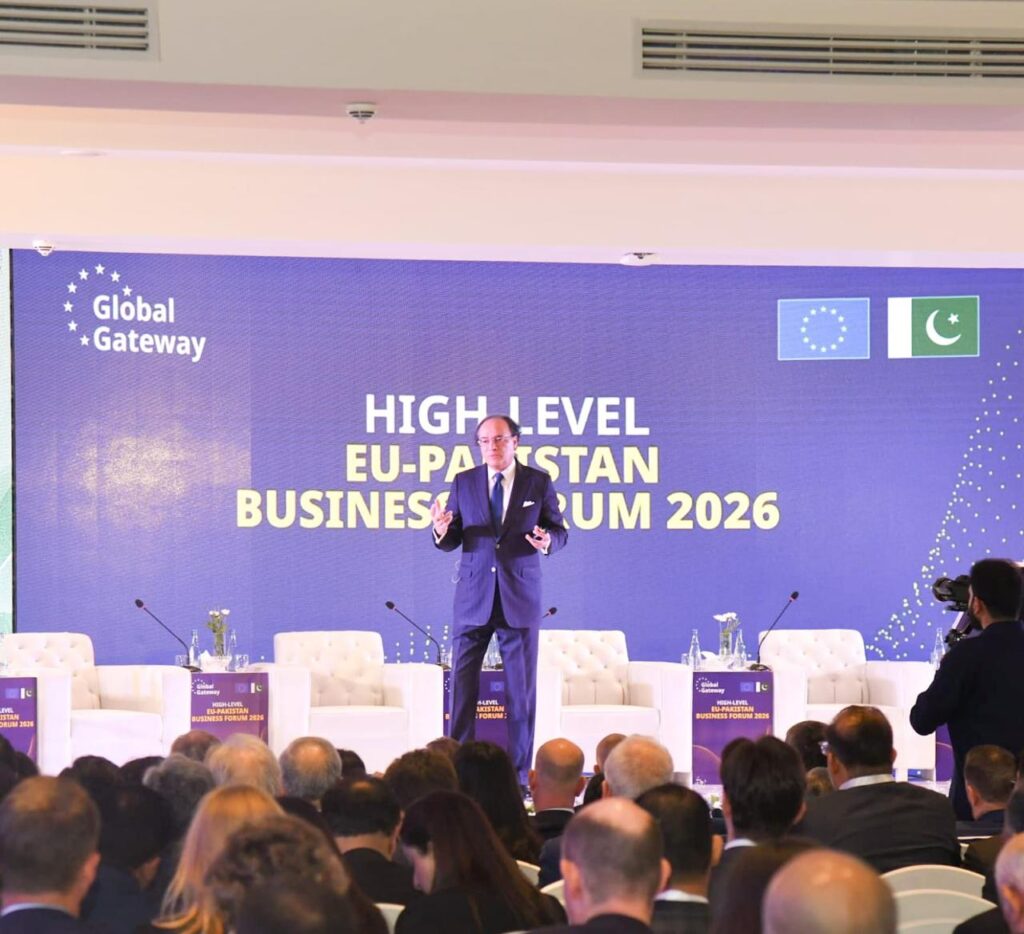
Addressing the Forum, Special Assistant to the Prime Minister on Industries and Production Haroon Akhtar Khan underscored that the European Union remains Pakistan’s largest export destination, with the GSP Plus framework playing a pivotal role in expanding market access and improving standards.
However, he stressed that the future of this partnership lies beyond trade, focusing on investment, technological collaboration, and integration into global value chains.
He pointed to vast opportunities across sectors including mining, tourism, renewable energy, agriculture modernization, pharmaceuticals, logistics, and infrastructure. He particularly emphasized the untapped potential of regions such as Gilgit-Baltistan, Khyber Pakhtunkhwa and Balochistan, rich in natural resources and investment prospects.
Inviting European partners to explore Pakistan’s tourism sector, he noted the country’s unique blend of natural beauty and cultural heritage, offering high-value investment opportunities.