 BeNewz
Related Articles

Aftab Maken
ISLAMABAD: The government plans a new optional multi-tariff mechanism for industrial electricity consumers, aiming to enhance efficiency and cost-effectiveness.
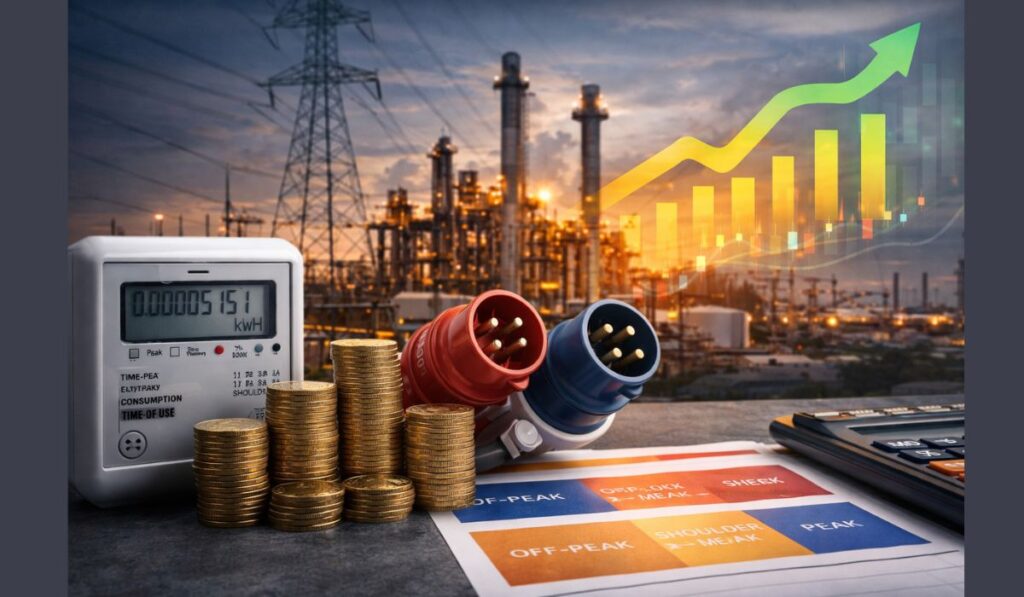
The Ministry of Energy (Power Division) is considering an optional time-of-use tariff structure for industries, according to a press release issued on March 25, 2026. The initiative, led by Federal Minister Sardar Awais Ahmed Khan Leghari, is designed to align electricity pricing with actual supply costs during different periods.
Under the proposed framework, industrial consumers could opt for a multi-slab tariff system. Fixed charges would be based on Maximum Demand Indicators (MDI), encouraging users to optimize peak demand. Variable energy charges would be rationalized to reflect real-time energy costs more accurately. Officials say this structure could improve load management and provide more predictable costs for industries.
Experts note that Pakistan’s industrial sector consumes nearly 30 percent of national electricity, according to the National Electric Power Regulatory Authority (NEPRA) 2025 report. Efficient load shifting and peak demand reduction under a multi-tariff system could reduce stress on the grid and defer costly capacity additions.
The Ministry expects the reform to boost industrial competitiveness while promoting sustainable energy use. By encouraging higher electricity consumption during off-peak periods, the system load factor is likely to improve, potentially lowering overall production costs. Stakeholders, including chambers of commerce and trade associations, will be consulted extensively to refine the mechanism before implementation.
The first consultative session is scheduled for March 26, 2026, via an online platform. Industry representatives will provide feedback to ensure inclusivity and effectiveness of the tariff structure. The Ministry emphasizes that this initiative is part of broader efforts to strengthen Pakistan’s energy sector and support long-term economic growth.
Analysts say the multi-tariff model mirrors international practices where time-of-use pricing incentivizes energy efficiency. Pakistan’s electricity demand has grown by around 4 percent annually in the last five years, according to the State Bank of Pakistan, underscoring the need for smarter consumption frameworks. The government hopes the new tariff system will make industrial energy costs more predictable and support sustainable growth across the sector.