 BeNewz
Related Articles



–NDMA has warned of rain, hailstorms, and snowfall in parts of the country from April 18 to 23, urging authorities and citizens to take precautionary measures
Aftab Maken
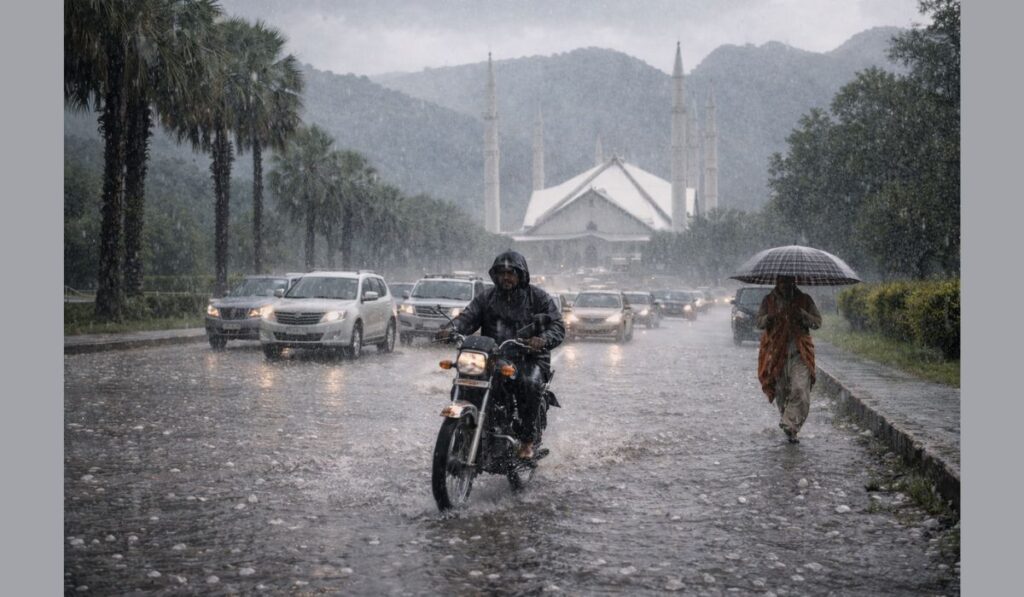
ISLAMABAD: The National Disaster Management Authority has issued a weather alert forecasting rain and hailstorms across multiple regions of Pakistan between April 18 and 23.
According to the advisory, upper and central Punjab are expected to receive rainfall on April 18 and 19, with isolated hailstorms likely in some areas, while southern Punjab may experience light rain at scattered locations during the same period.
The alert also highlights expected rainfall in parts of Sindh, including Khairpur, Sukkur, Hyderabad, Umerkot, Mithi, Badin, and Karachi on April 19 and 20. Coastal areas, including Gwadar, may receive rain on April 19, 20, and 23. However, daytime temperatures in several districts of Sindh are likely to remain above normal despite the incoming weather system.
In Khyber Pakhtunkhwa, widespread rain is forecast in districts such as Chitral, Dir, Malakand, Charsadda, Abbottabad, Bannu, Buner, and Peshawar. The NDMA said upper and mountainous areas could also witness snowfall at certain locations, potentially lowering temperatures temporarily.
The authority warned that rain and hailstorms may damage weak structures, trees, and electricity infrastructure. Slippery road conditions could disrupt traffic flow, increasing the risk of accidents. Citizens have been advised to limit unnecessary travel and remain cautious during adverse weather conditions.
Earlier, the Pakistan Meteorological Department had also predicted heavy rainfall between April 16 and 18, raising concerns over possible landslides in upper Khyber Pakhtunkhwa, Azad Kashmir, and Gilgit-Baltistan. Experts have cautioned that local streams and nullahs may experience increased water flow, posing risks to low-lying areas.
Authorities have directed relevant departments to remain on alert and ensure preparedness for any emergency situation. Citizens have been urged to stay updated with official weather advisories and follow safety guidelines to minimize potential risks.