 BeNewz
Related Articles


–Govt raised fuel prices to avoid shortages, LNG costs surge
Aftab Maken
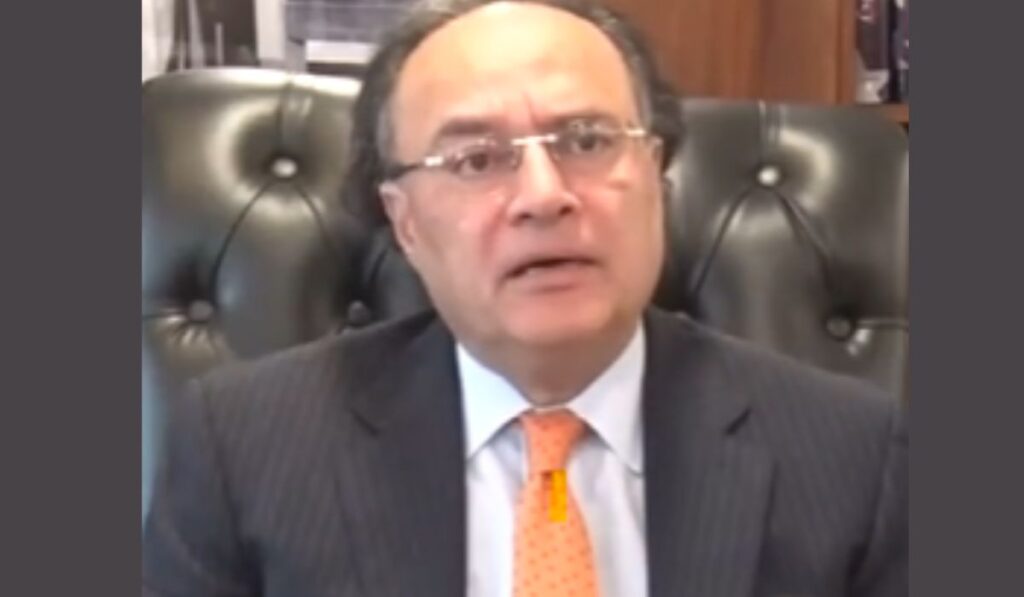
ISLAMABAD: Finance Minister Muhammad Aurangzeb said the government was forced to raise petroleum prices due to rising import costs, supply risks and regional tensions, warning that failure to act could have led to fuel shortages and possible rationing in the country.
Aurangzeb made the remarks while briefing the Senate Standing Committee on Finance, which met under the chairmanship of Saleem Mandviwalla to review the recent increase in petroleum prices. He said the prime minister had formed a ministerial committee to monitor petroleum supply and pricing on a daily basis because the regional situation was changing rapidly and required quick decisions.
The finance minister said the government had to ensure uninterrupted fuel availability as global energy markets had become volatile due to geopolitical tensions in the Middle East. He told the committee that some countries in the region had already faced severe fuel crises, citing Sri Lanka and Bangladesh as examples where fuel rationing had been imposed after foreign exchange shortages disrupted imports.
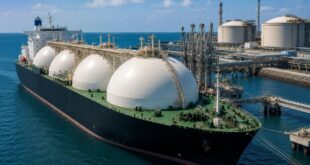
Aurangzeb said Pakistan was also facing pressure on energy imports, particularly liquefied natural gas, after supply disruptions linked to the ongoing conflict situation in the region. He said an LNG cargo that normally costs about $25 million was now being offered at nearly $100 million, sharply increasing the import bill and forcing the government to adjust domestic petroleum prices to maintain supply.
During the meeting, committee member Farooq H. Naek criticised the government for increasing petrol prices by about Rs55 per litre even on existing stock, saying the move placed an unnecessary burden on the public. He questioned whether the government would pass on relief to consumers if international prices declined, adding that Pakistan was not directly involved in any war and should not impose such heavy costs on citizens.
Responding to the criticism, Aurangzeb said Pakistan might not be directly at war but was facing the economic impact of a war-like situation due to global uncertainty in energy markets. He said the government’s priority was to keep the supply chain functioning, as any disruption in fuel availability would damage industry, transport and overall economic activity.
Petroleum Minister Ali Pervaiz Malik told the committee that the government had avoided fuel rationing by allowing prices to rise in line with import costs. He said oil shipments take nearly 20 days to reach Pakistan and companies could stop importing fuel if domestic prices did not cover the higher international cost. He warned that rationing petroleum products could cause serious economic losses and disrupt daily life across the country.
Malik said the government had taken the difficult decision to increase prices in order to maintain supply and avoid a crisis similar to what some regional economies had faced in recent years. He added that the prime minister had directed the authorities to minimise the burden on consumers and to review global oil prices on a daily basis before making any further decision.
Both ministers told the committee that the government would review international market trends before announcing the next petroleum price adjustment. They said efforts were being made to keep prices under control while ensuring uninterrupted supply, as Pakistan’s heavy reliance on imported oil and LNG makes the country highly vulnerable to global price shocks and regional instability.