 BeNewz
Related Articles


BeNewz Report
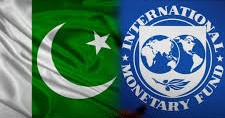
WASHINGTON: Pakistan and the International Monetary Fund failed to reach a staff-level agreement on the latest review of the $7 billion programme but decided to continue negotiations in coming days as discussions on fiscal, monetary and energy reforms remain unresolved.
Pakistan and the International Monetary Fund (IMF) did not reach a staff-level agreement on the third review of the 37-month Extended Fund Facility, though both sides agreed to continue negotiations after the end of the mission on March 11, 2026, according to an IMF end-of-mission statement released in Washington.
The IMF team, led by Iva Petrova, held talks in Karachi, Islamabad and virtually from February 25 to March 11 under the Extended Fund Facility (EFF) and the Resilience and Sustainability Facility (RSF). The Fund said progress was made but more work was needed to assess recent global economic developments and their impact on Pakistan’s external financing needs. The discussions will continue in the coming days with the aim of reaching a staff-level agreement, which is required before the Executive Board can approve the next loan tranche.
Pakistan is currently under a 37-month IMF programme worth about $7 billion approved in September 2024 to stabilise the economy after a severe balance-of-payments crisis, according to IMF data. The programme replaced a short-term standby arrangement and aims to restore macroeconomic stability, rebuild foreign exchange reserves and implement structural reforms in taxation, energy and state-owned enterprises.
In addition to the EFF, Pakistan is also using the IMF’s 28-month Resilience and Sustainability Facility, which provides about $1.3 billion in climate-related financing linked to reforms in disaster management, water pricing and climate risk disclosure.
The IMF said programme implementation remained broadly on track until the end of February 2026, with discussions focusing on fiscal consolidation, tight monetary policy and reforms in the energy sector. The Fund emphasised the need to maintain strict budget discipline to strengthen public finances and keep inflation within the State Bank of Pakistan’s target range.
Pakistan’s economy has stabilised under the IMF programme but remains vulnerable to external shocks. Foreign exchange reserves improved to about $14.5 billion by FY2025 from $9.4 billion a year earlier, reflecting stronger inflows and policy tightening, according to IMF review documents.
However, the Fund warned that rising global energy prices, tighter financial conditions and geopolitical tensions in the Middle East could increase Pakistan’s import bill and widen the current account deficit, complicating the review process. The IMF statement said these risks were discussed in detail during the mission as they could affect balance-of-payments projections and financing requirements.
Pakistan has historically relied on IMF programmes to manage recurring external account crises. Government data show the country has received more than SDR 17 billion in IMF disbursements under multiple arrangements over the past two decades, highlighting continued dependence on external financing to support economic reforms.
The ongoing review is critical because each successful assessment unlocks fresh funding needed to support reserves and meet external debt obligations. Previous reviews under the current programme allowed Pakistan to access about $1 billion per tranche, subject to approval by the IMF Executive Board after a staff-level agreement.
Officials say the next phase of talks will focus on revenue targets, power sector losses and social spending protections, which are key IMF conditions. The government is also negotiating how to balance fiscal tightening with growth after the Fund repeatedly stressed the need for structural reforms to improve productivity and expand the tax base.
The outcome of the talks is closely watched by investors because the IMF programme remains the anchor for Pakistan’s external financing plan and is linked to support from other lenders including the World Bank, Asian Development Bank and bilateral partners.
Further progress in the IMF review will determine the pace of economic recovery, as Pakistan seeks to maintain stability while pursuing reforms under the Extended Fund Facility programme.