 BeNewz
Related Articles


BeNewz Report
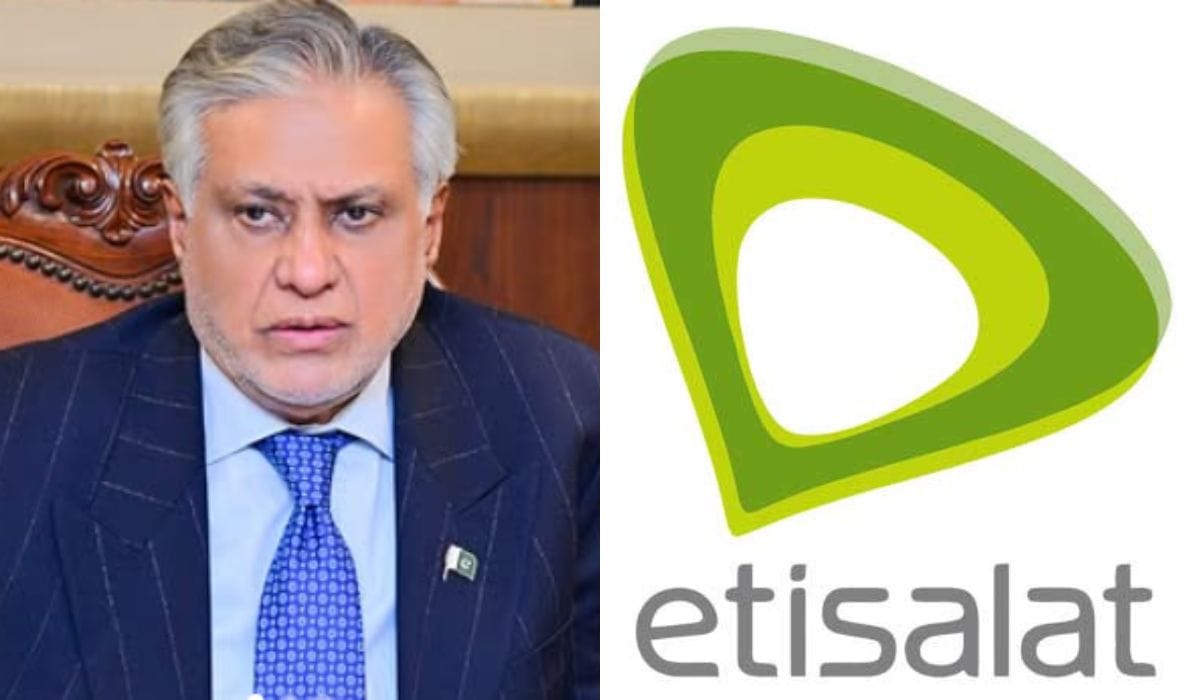
ISLAMABAD: Deputy Prime Minister and Foreign Minister Ishaq Dar landed in Dubai on Friday for a high-stakes official visit, arriving directly from the World Economic Forum in Davos, Switzerland. His primary agenda: urgent talks with the management of UAE-based telecom powerhouse Etisalat to untangle a protracted dispute over approximately USD 799 million in withheld funds linked to the botched privatization of Pakistan Telecommunication Company Ltd (PTCL).
The Foreign Office confirmed Dar’s itinerary includes these corporate engagements but remained tight-lipped on potential meetings with UAE ministers or senior government officials. The trip underscores Pakistan’s push to revive stalled investments from a key Gulf ally at a moment when regional tensions simmer.
Roots of the PTCL-Etisalat Dispute
The saga dates back to 2006, when Etisalat acquired a 26% stake in PTCL for $2.5 billion as part of a landmark privatization drive under then-President Pervez Musharraf. Promised dividends and infrastructure upgrades faltered amid PTCL’s mounting losses, regulatory hurdles, and political instability. By 2023, Etisalat froze $799 million in escrow, citing unfulfilled obligations like network expansions and debt servicing. Multiple rounds of arbitration have yielded little progress, straining bilateral trust.
Recent UAE-Pakistan Investment Rollercoaster
Dar’s mission unfolds against a backdrop of mixed signals in UAE-Pakistan economic relations. In a notable setback, the UAE withdrew from a prospective deal to acquire Islamabad International Airport last year. Initially announced with fanfare in 2023, the $1.2 billion public-private partnership aimed to modernize the facility under UAE firm Alpha Pro. Dubai’s abrupt pullout—attributed to geopolitical risks, security concerns, and Pakistan’s economic volatility—dashed hopes for aviation sector revival and highlighted investor wariness.
Contrast this with positive momentum during UAE President Sheikh Mohamed bin Zayed Al Nahyan’s (MBZ) visit to Pakistan just weeks ago. Amid pledges of $10 billion in investments, the UAE converted a longstanding safe deposit loan into equity shares of the Fauji Foundation, Pakistan’s largest business conglomerate with interests in cement, fertilizers, and power. This move, valued at over $500 million, transforms debt into ownership, potentially injecting fresh capital into Fauji’s operations and signaling UAE confidence in Pakistan’s defense-linked enterprises.
These developments reflect broader UAE diversification from Saudi-led Gulf alliances, amid reports of Riyadh-Abu Dhabi frictions over Yemen, oil prices, and regional influence.
Strategic Timing
Analysts see Dar’s visit as pivotal. The Middle East grapples with volatility, including Houthi disruptions and Gaza tensions. Pakistan and the UAE, alongside others, recently committed to Gaza’s Board of Peace, invited by US President Donald Trump, positioning both nations as mediators.
“Dar’s diplomacy blends economic recovery with geopolitical balancing,” noted Islamabad-based analyst Ayesha Siddiqa. Success could unlock billions in UAE funds, bolstering Pakistan’s fragile economy ahead of IMF talks.
As Dar engages Etisalat, eyes remain on whether this yields breakthroughs—or joins the list of Gulf-Pakistan ventures caught in limbo.