 BeNewz
Related Articles



Aftab Maken
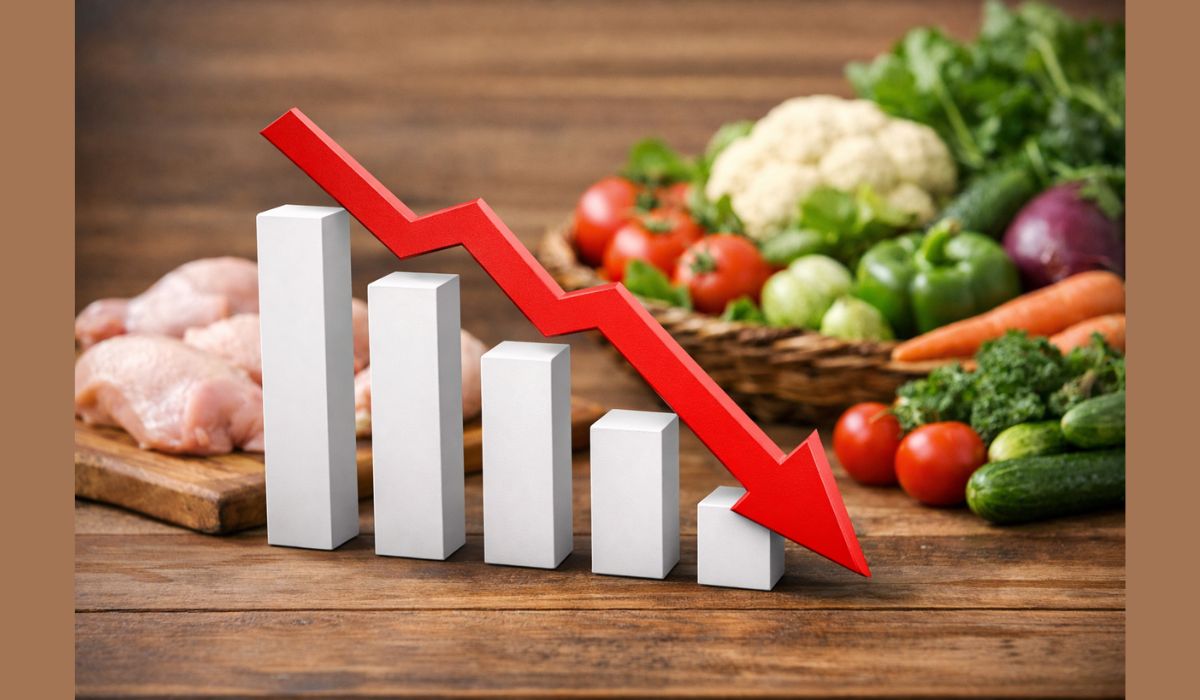
ISLAMABAD: The Sensitive Price Indicator (SPI), a key weekly measure of inflation for essential commodities in Pakistan, declined by 0.48% for the week ended January 22, 2026, according to the latest data released by the Pakistan Bureau of Statistics (PBS). This marks a welcome relief for households amid fluctuating food costs, following modest increases in the preceding weeks.
The SPI, which tracks prices of 51 essential items collected from 50 markets across 17 major cities, serves as an early indicator of short-term inflationary pressures on consumers, particularly lower- and middle-income groups. The weekly drop was primarily driven by significant reductions in several high-impact food and utility items.
The most notable price declines included chicken, which fell sharply by 16.68%, providing substantial relief to consumers who rely on it as a key protein source. Potatoes decreased by 8.52%, onions by 7.27%, and LPG (liquefied petroleum gas) by 3.54%. Other items recording reductions were salt powder (1.52%), gur (1.00%), vegetable ghee in 2.5 kg packs (0.87%), cooking oil in 5-litre packs (0.53%), pulse masoor (0.27%), and cigarettes (0.11%).
On the flip side, some items saw price increases during the week. Tomatoes rose by 9.83%, bananas by 3.66%, wheat flour by 2.27%, and eggs by 1.02%. Smaller upticks were observed in firewood (0.56%), pulse mash (0.53%), pulse moong (0.43%), shirting fabric (0.27%), pulse gram (0.16%), and sugar (0.14%).
Of the 51 monitored items, prices of 12 (23.53%) increased, 11 (21.57%) decreased, and the majority—28 (54.90%)—remained stable, reflecting a mixed but overall easing trend in the essential goods basket.
Year-on-year, the SPI showed a moderate increase of 4.18% compared to the corresponding week last year. This annual rise was led by steep hikes in wheat flour (38.60%), eggs (35.99%), gas charges for the first quarter (29.85%), beef (12.75%), chilies powder (12.56%), and firewood (10.83%). Other notable yearly increases included tomatoes (10.02%), bananas (9.94%), powdered milk (9.79%), gur (9.42%), lawn printed fabric (8.29%), and shirting (8.22%).
However, several items registered significant annual declines, offering some counterbalance. Potatoes dropped by 47.26%, garlic by 36.28%, onions by 35.55%, pulse gram by 29.79%, Tea Lipton by 17.79%, chicken by 16.79%, pulse mash by 12.57%, pulse masoor by 9.75%, diesel by 1.27%, and petrol by 0.95%.
The weekly easing comes after a period of slight upward movements in early January. For context, the SPI had increased by 0.25% week-on-week for the period ended January 15, with a year-on-year rise of 3.87%, driven largely by wheat flour and gas charges. Earlier weeks, such as the one ending January 1, saw a 0.67% weekly decline but a 2.41% annual increase.
Economists view the SPI as a critical tool for monitoring immediate impacts on household budgets, especially for perishable and staple goods. The current dip, particularly in chicken, potatoes, and onions—items with high weightage in low-income consumption—could help moderate broader inflationary expectations in the short term.
Despite the weekly relief, persistent annual pressures in staples like wheat flour, eggs, and energy costs highlight ongoing challenges for Pakistan’s economy, including supply chain issues, seasonal factors, and global commodity influences. The PBS data underscores the need for continued policy focus on stabilizing food and fuel prices to support vulnerable segments of the population.