 BeNewz
Related Articles



Aftab Maken
ISLAMABAD: The Pakistan Bureau of Statistics (PBS) reported a modest weekly increase in short-term inflation, with the Sensitive Price Indicator (SPI) rising by 0.12% for the week ended January 8, 2026. This brings the SPI index to 334.35 points (base 2015-16=100), up from 333.96 points the previous week.
The SPI, a key measure of short-term price movements for essential commodities, tracks 51 items across 50 markets in 17 major cities. It serves as an early indicator of inflationary pressures on household budgets, particularly for lower- and middle-income groups.
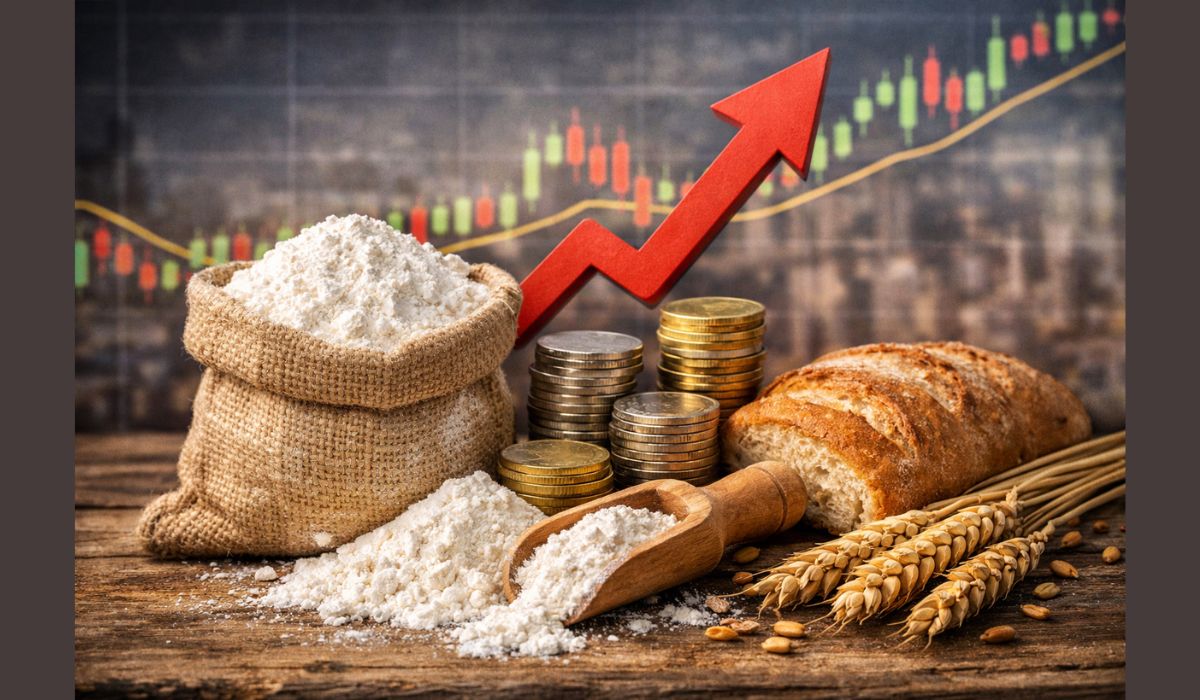
On a week-on-week basis, prices rose for 21 out of 51 items (41.18%), fell for 8 (15.68%), and remained stable for 22 (43.14%). The most significant weekly increases were recorded in wheat flour, which jumped 5.07%, followed by chicken (2.86%), garlic (2.44%), chili powder (1.01%), LPG (0.88%), prepared tea (0.73%), shirting fabric (0.61%), sugar (0.58%), bread (0.51%), basmati broken rice (0.41%), and firewood (0.25%). These gains, particularly in staples like wheat flour and chicken, are likely to add to the cost of living for average households.
Offsetting some of the upward pressure were declines in several perishable items. Potatoes dropped 3.73%, onions 2.20%, pulse gram 1.51%, eggs 1.44%, pulse mash 0.65%, pulse masoor 0.38%, bananas 0.21%, and tomatoes 0.05%. The fall in vegetable prices provided some relief amid seasonal supply dynamics.
Year-on-year, the SPI showed a more pronounced rise of 3.20%, indicating persistent inflationary trends over the past 12 months. Major contributors to this annual increase included wheat flour (up 31.12%), gas charges for Q1 (29.85%), beef (13.15%), chili powder (11.43%), sugar (11.18%), bananas and firewood (10.57% each), gur (10.50%), powdered milk (9.51%), shirting (8.73%), lawn printed fabric (8.29%), and eggs (8.03%).Notably, sharp year-on-year declines in some vegetables eased overall food inflation somewhat: tomatoes fell 57.04%, potatoes 48.71%, onions 41.33%, garlic 36.07%, pulse gram 30.97%, Lipton tea 17.79%, pulse mash 14.34%, pulse masoor 8.92%, LPG 1.22%, and diesel 0.30%. These reductions highlight the volatile nature of agricultural produce prices, often influenced by weather, supply chains, and import factors.
The impact varied across income groups. Lower- and middle-income quintiles (Q1 to Q4) experienced slightly higher weekly increases of around 0.12-0.13%, while the highest-income group (Q5) saw a marginally lower rise of 0.11%. On a year-on-year basis, inflation was most acute for middle-income households (Q2 and Q3 at 3.65% and 3.43%, respectively), underscoring the disproportionate burden on these segments.
Economists note that while the weekly uptick remains contained, the sustained annual rise—driven largely by food and energy costs—continues to challenge economic stability. Government efforts to stabilize essential commodity prices through subsidies and supply management will be crucial in the coming months, especially as global commodity trends and domestic production challenges persist.
The PBS data underscores the ongoing need for vigilant monitoring of inflation, particularly as Pakistan navigates post-flood recovery, energy sector reforms, and external economic pressures.