 BeNewz
Related Articles



BeNewz Report
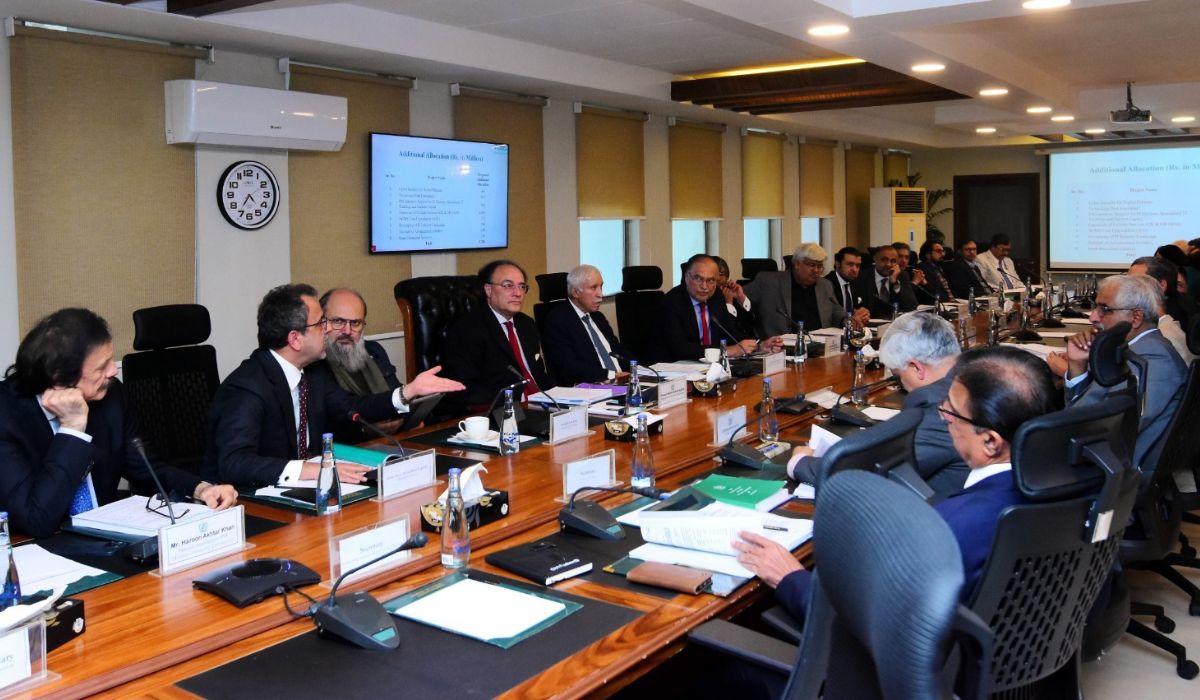
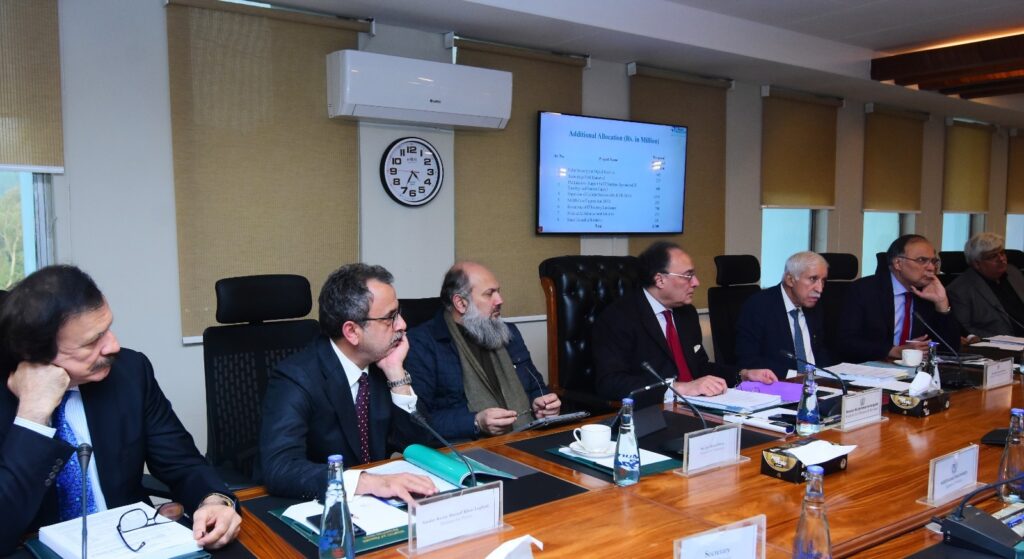
ISLAMABAD: The Economic Coordination Committee (ECC) of the Cabinet, chaired by Federal Minister for Finance and Revenue Senator Muhammad Aurangzeb, has approved several Technical Supplementary Grants (TSGs) to bolster key sectors including defence capabilities, digital infrastructure, special education, public service delivery, revenue enforcement, and the creative industries.The meeting, held today at the Finance Division, reviewed proposals from various ministries and divisions, focusing on development, security, and citizen-centric reforms.
In support of defence-related priorities, the ECC sanctioned a TSG of Rs 2 billion for the Sustainable Development Goals Achievement Programme (SAP) in Punjab. Additionally, a TSG of Rs 5.081 billion was approved for defence services to fund capacity enhancement, infrastructure development, community engagement, and cybersecurity measures. The funds will be released in phases, with the ECC directing that this recurring expenditure be integrated into the regular defence budget starting from the next financial year.
To improve accessibility for special children, the Committee greenlit a TSG of Rs 322.87 million for the procurement of 15 coasters dedicated to the Directorate General of Special Education. These vehicles will transport students to the upcoming Autism Centre of Excellence in Islamabad, which aims to provide a safe and supportive learning environment for at least 300 children with autism spectrum disorder.
Advancing the government’s digital agenda, the ECC approved a TSG of Rs 800 million from the Information Technology and Telecommunication Division for the establishment of the flagship Asan Khidmat Centre in Islamabad. This citizen-centric initiative seeks to streamline public service delivery under one roof, drawing inspiration from successful models and aligning with efforts to enhance e-governance.
Further bolstering the digital ecosystem, a TSG of Rs 3.7 billion was cleared for Public Sector Development Programme (PSDP) projects focused on strengthening digital connectivity, upgrading IT infrastructure, promoting e-governance, and nurturing the national ICT sector. The ECC emphasized efficient deployment of these funds on targeted initiatives.
In line with a Prime Ministerial directive dated 19 September 2024, the Committee addressed the proposal for Digital Enforcement Stations by the Federal Board of Revenue (FBR) along the Indus, Hub, and Balochistan rivers. Against an initial request of Rs 10 billion, the ECC approved Rs 3 billion for the third quarter, with the balance slated for the fourth quarter.
The ECC also deliberated on the future of the Asia Petroleum Limited (APL) Pipeline. It constituted a dedicated committee—including representatives from the Petroleum Division, Finance Division, Law and Justice Division, Special Investment Facilitation Council (SIFC), and Pakistan State Oil (PSO)—under the National Task Force-Implementation of Reforms (Power Division). The committee is tasked with formulating recommendations by 31 January, negotiating key agreements with APL, and resolving issues related to fuel ownership and potential alternative uses of the pipeline.
To support the creative sector, the ECC considered a request from the Ministry of Information and Broadcasting for Rs 1 billion under the Film and Drama Finance Fund, established pursuant to the National Film and Broadcasting Policy, 2018. The Committee approved Rs 700 million, mandating that the Ministry provide six-monthly utilization reports based on defined key performance indicators. Funds are to be allocated transparently and competitively, engaging top professional content producers to strengthen Pakistan’s film and drama industry while advancing the national strategic narrative domestically and internationally.
These approvals reflect the government’s commitment to balanced investments in security, inclusive development, digital modernization, and cultural soft power amid ongoing economic coordination efforts.