 BeNewz
Related Articles
BeNewz Report
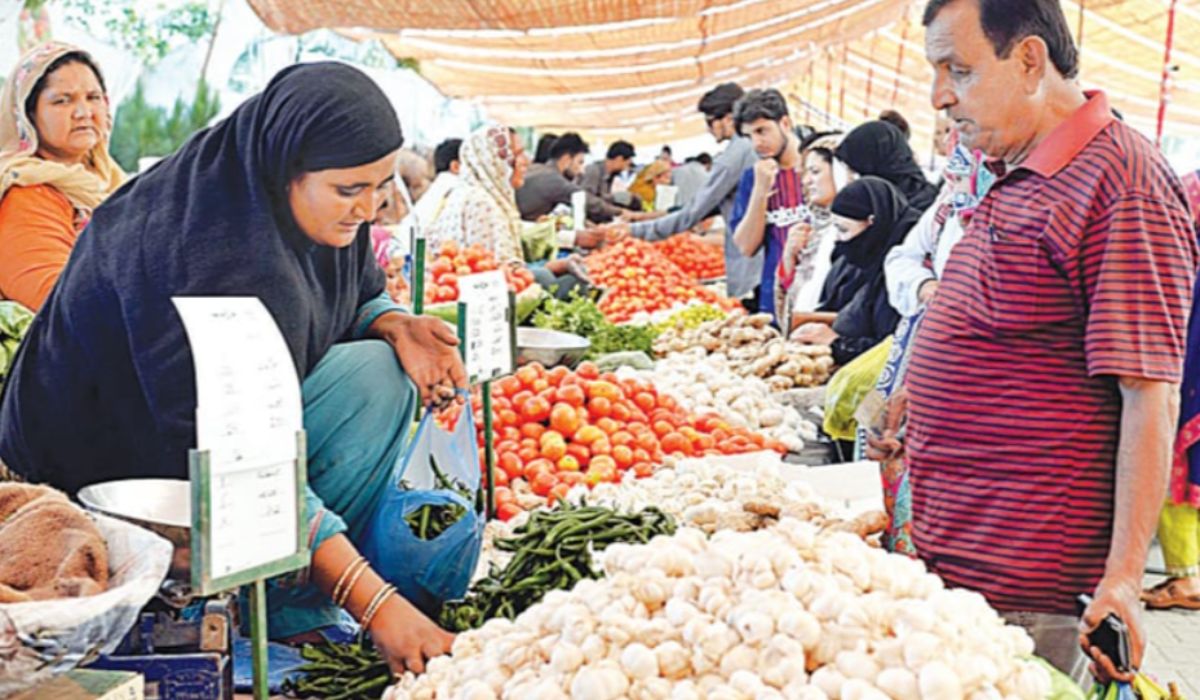
ISLAMABAD: The Pakistan Bureau of Statistics (PBS) reported a marginal increase in weekly inflation, with the Sensitive Price Indicator (SPI) rising by 0.12% for the week ending January 8, 2026. The SPI, which tracks price movements of 51 essential commodities collected from 50 markets across 17 cities, provides a short-term gauge of inflation affecting households.
The slight uptick was primarily driven by increases in key food and non-food items. Wheat flour prices surged by 5.07%, the highest weekly jump, followed by chicken at 2.86%, garlic at 2.44%, and chilies powder at 1.01%. Other notable rises included liquefied petroleum gas (LPG) by 0.88%, prepared tea by 0.73%, shirting by 0.61%, sugar by 0.58%, bread by 0.51%, basmati broken rice by 0.41%, and firewood by 0.25%.
On the downside, some relief came from falling prices of perishable and pulse items. Potatoes decreased significantly by 3.73%, onions by 2.20%, pulse gram by 1.51%, eggs by 1.44%, pulse mash by 0.65%, pulse masoor by 0.38%, bananas by 0.21%, and tomatoes by a minor 0.05%.
During the week, prices of 21 items (41.18%) increased, 8 items (15.68%) decreased, while 22 items (43.14%) remained unchanged, indicating mixed trends in the market. On a year-on-year basis, the SPI showed a moderate increase of 3.20%, reflecting lingering inflationary pressures despite recent cooling trends in overall consumer prices.
Major annual contributors to the rise included wheat flour (up 31.12%), gas charges for the first quarter (29.85%), beef (13.15%), chilies powder (11.43%), sugar (11.18%), bananas and firewood (both 10.57%), gur (10.50%), powdered milk (9.51%), shirting (8.73%), printed lawn (8.29%), and eggs (8.03%).However, substantial yearly declines provided offsets in several categories, notably tomatoes (down 57.04%), potatoes (48.71%), onions (41.33%), garlic (36.07%), pulse gram (30.97%), Lipton tea (17.79%), pulse mash (14.34%), pulse masoor (8.92%), LPG (1.22%), and diesel (0.30%).This weekly data comes amid a broader easing of inflation in Pakistan.
The latest monthly figures for December 2025 showed annual CPI inflation slowing to 5.6%, down from higher levels in previous years, supported by stable exchange rates and declining food prices in some segments.
Economists note that while short-term fluctuations are common due to seasonal factors and supply chain issues, the persistent rise in staples like wheat flour and energy-related items continues to strain lower-income households. The government has been implementing measures to stabilize prices, including subsidies on essential commodities and monitoring of hoardings.
The SPI remains a critical tool for policymakers to monitor short-term price volatility and adjust interventions accordingly. As Pakistan navigates economic recovery, sustained control over food and fuel prices will be key to maintaining macroeconomic stability.