 BeNewz
Related Articles



BeNewz Report
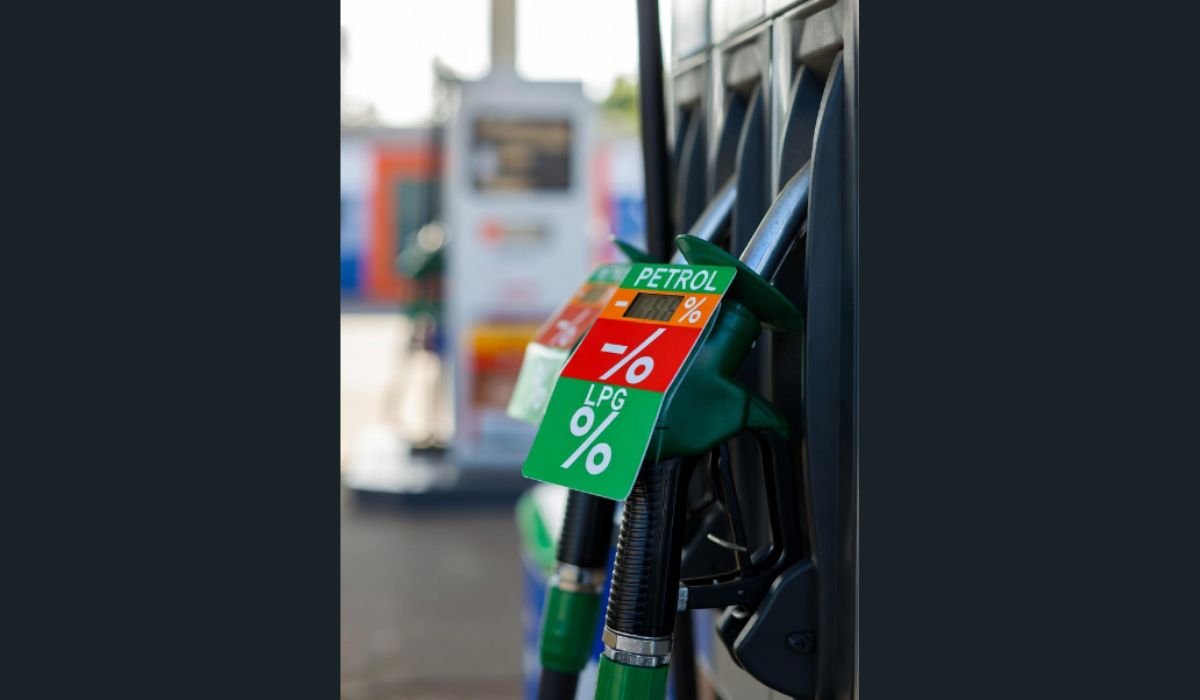
ISLAMABAD: As Pakistan ushers in the New Year, citizens have received a blend of relief and burden on the fuel front. The federal government has announced a significant reduction in the prices of petrol and high-speed diesel, providing much-needed respite to motorists and transporters amid fluctuating global oil markets. However, the joy is tempered by a sharp increase in Liquefied Petroleum Gas (LPG) prices, which will hit household budgets hard during the peak winter season.
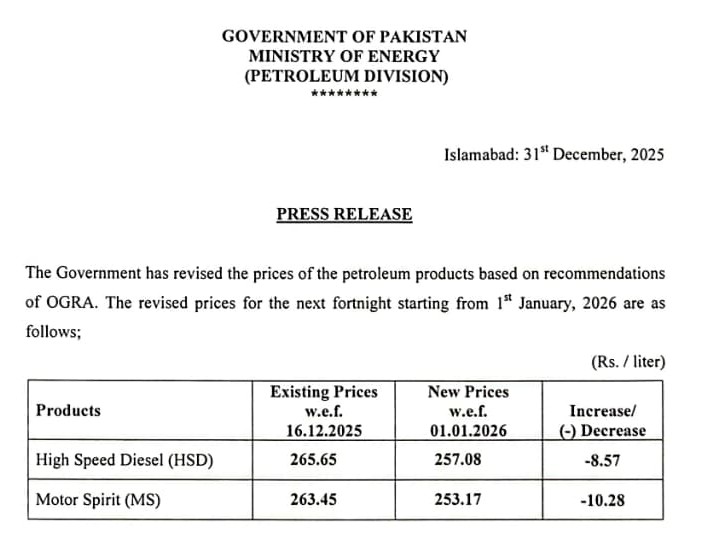
According to a notification issued by the Petroleum Division, the price of petrol has been slashed by Rs 10.28 per litre, bringing it down to Rs 253.17 per litre from the previous R s 263.45. Similarly, high-speed diesel (HSD), widely used in public transport, trucks, and agriculture, sees a reduction of Rs 8.57 per litre, with the new price set at Rs 257.08 per litre. These revised rates came into effect from midnight on January 1, 2026, and will remain in place for the next 15 days until the fortnightly review.
The cuts are attributed to a decline in international crude oil prices, offering a welcome “New Year gift” to vehicle owners and the transport sector. Commuters, ride-hailing drivers, and logistics companies are expected to benefit directly, potentially easing inflationary pressures on goods transportation. Analysts note that lower diesel costs could help stabilize freight charges, indirectly benefiting consumers through moderated prices of essential commodities.
The decision follows recommendations from the Oil and Gas Regulatory Authority (OGRA), which aligns domestic prices with global trends while considering exchange rate fluctuations and taxes. Government officials have emphasized that these adjustments reflect a balanced approach to providing relief without compromising fiscal stability.
On the flip side, OGRA has notified an increase in LPG prices, adding to the woes of millions of households reliant on it for cooking and heating, especially in rural areas and regions with limited natural gas supply. The price per kilogram has risen by approximately Rs 10.69, reaching Rs 219.68 per kg. Consequently, the standard 11.8 kg domestic cylinder now costs Rs 2,592.19 – an increase of Rs 126.09 from the previous rate.
This marks the second consecutive monthly hike, following a Rs 7.39 per kg increase in December. With winter intensifying across the country, the timing of this surge has drawn criticism from consumer groups and opposition parties, who argue it places an undue burden on low- and middle-income families already grappling with high living costs.
Public reaction has been mixed. Motorists and transporters have hailed the petrol and diesel cuts as timely relief, with many taking to social media to express gratitude. However, the LPG hike has sparked outrage, particularly among households in colder regions like Balochistan and Khyber Pakhtunkhwa, where LPG is a primary fuel source.
Economists view the developments as reflective of broader energy market dynamics. While falling global oil prices enabled the petroleum reductions, LPG – often influenced by separate supply chains and import costs – continues to face upward pressure.
The government has assured that fuel prices will continue to be monitored closely, with future revisions based on international trends. As Pakistan navigates economic challenges in 2026, these adjustments highlight the delicate balance between consumer relief and regulatory necessities.