 BeNewz
Related Articles



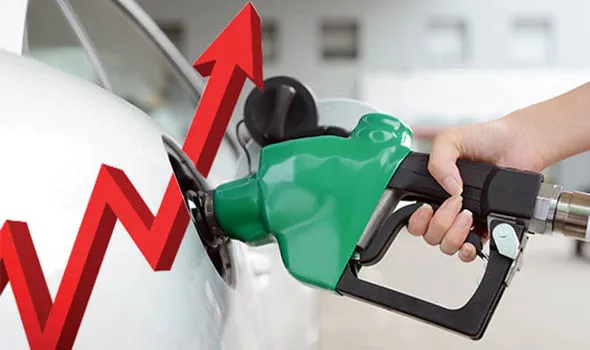
Petrol, diesel, and kerosene prices are expected to rise from October 1, adding pressure on households already battling inflation.
BeNewz Report
Pakistanis are bracing for another financial hit as the prices of key petroleum products are set to increase from October 1, 2025, in response to global crude oil trends and currency depreciation. This adjustment, if formally approved, is likely to intensify the burden on consumers already grappling with high inflation, unaffordable electricity tariffs, and escalating food costs.
According to industry projections, the ex-refinery and ex-depot prices of petrol, diesel, kerosene, and light diesel oil (LDO) are expected to rise, driven primarily by a spike in international crude oil prices and a slight weakening of the Pakistani rupee against the US dollar. These adjustments will feed directly into retail prices, affecting nearly every aspect of daily life.
Petrol’s ex-refinery price is forecasted to increase by Rs1.97 per liter, climbing from Rs160.93 to Rs162.90—a 1.2% jump. High-speed diesel (HSD), which is integral to the country’s transport and logistics sectors, is expected to rise by Rs2.48 per liter, from Rs172.65 to Rs175.13, representing a 1.4% hike. Kerosene oil, heavily used in low-income households for heating and cooking, faces the steepest rise at 3.1%, increasing by Rs4.66 from Rs151.62 to Rs156.27. LDO will edge up by Rs1.76 per liter to Rs143.39.
Ex-depot rates, which directly determine consumer retail pricing, mirror these changes. Petrol will likely retail at Rs266.58 per liter, up by Rs1.97 from its current Rs264.61. Diesel is projected to sell at Rs275.25, marking a Rs2.48 increase. Kerosene will rise from Rs179.96 to Rs184.61, while LDO is expected to be sold at Rs165.18, up from Rs163.42.
This latest hike threatens to trigger a cascading effect on inflation. Diesel, in particular, is critical to freight and public transport, and any increase in its cost reverberates through the entire economy. Transporters typically pass on higher fuel expenses to consumers, leading to costlier vegetables, grains, and daily-use items. For many low- and middle-income households, already stretched thin, the additional costs will deepen existing financial distress.
The global context paints a bleak picture. International oil prices have surged in recent months, buoyed by sustained supply disruptions and production cuts by OPEC+ nations. Coupled with geopolitical uncertainties and a weakening rupee, Pakistan’s fuel import costs have risen sharply. With limited domestic refining capacity and near-total dependence on imports, Pakistan remains vulnerable to external shocks.
An industry source underscored the limited policy room available to mitigate these pressures, noting, “The primary drivers are external. When the global market moves, Pakistan has little choice but to follow, especially with the rupee under pressure.”
Experts and industry stakeholders have called on the federal government to intervene by reducing petroleum levies and adjusting tax rates to provide relief. Given that the government earns a significant portion of its revenue through petroleum development levies and general sales tax (GST) on fuel, any tax relief could affect fiscal planning. However, critics argue that fiscal discipline cannot come at the cost of citizen survival.
“This isn’t just about numbers,” said another industry analyst. “This is about families choosing between commuting to work and buying food. The situation demands immediate relief measures.”
On the streets, the reaction is visceral. Asghar Ali, a rickshaw driver in Rawalpindi, expressed his frustration: “Every time diesel prices go up, everything else becomes expensive—bus fares, food, even school fees. We’re at a breaking point. This is becoming unbearable.”
Kerosene’s steep increase is particularly concerning for rural and low-income families who rely on it for cooking and heating. As electricity remains unreliable or unaffordable for many, kerosene serves as a critical substitute, making its price hike a direct threat to basic energy access.
The expected October fuel hike is likely to become a flashpoint in Pakistan’s broader economic narrative. With core inflation already in double digits and purchasing power stagnating, even a marginal rise in fuel prices can trigger outsized economic pain. The government’s response—whether through tax relief or targeted subsidies—will be closely watched by both markets and the public.
As fuel prices climb once again, the ripple effects are expected to test not only household resilience but also the government’s capacity to shield vulnerable populations from economic fallout. The next few weeks may prove decisive in shaping public sentiment and setting the tone for broader fiscal and monetary responses heading into the final quarter of the year.