 BeNewz
Related Articles



Talks focus on tax shortfalls, energy sector reforms, and flood impacts as Pakistan seeks $1bn loan tranche.
Aftab Maken
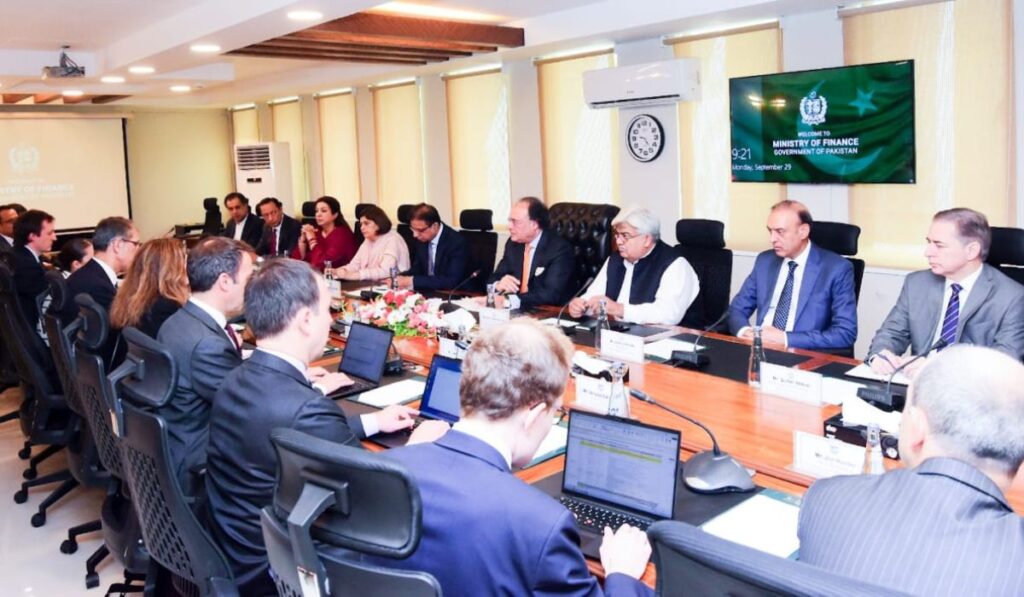
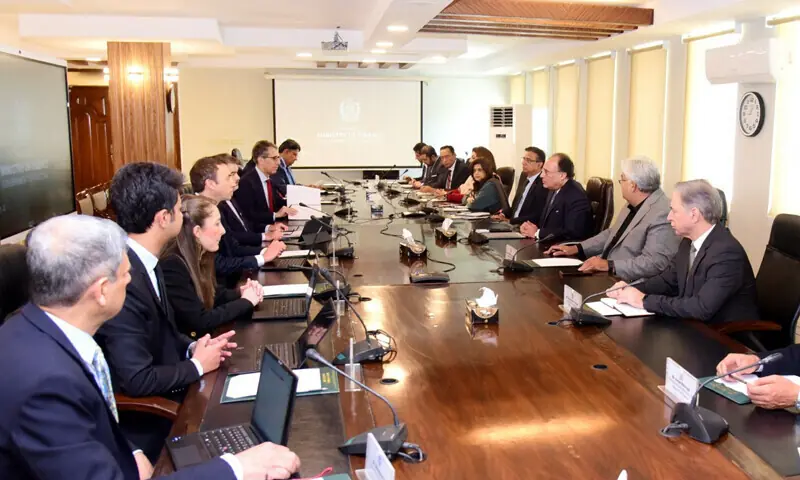
ISLAMABAD: Pakistan and the International Monetary Fund (IMF) have commenced policy-level talks in Islamabad as part of the second review under the $7 billion Stand-By Arrangement (SBA), aiming to unlock the next loan tranche of approximately $1 billion. The discussions, which follow technical-level engagements, are seen as critical to Pakistan’s macroeconomic stability amid persistent fiscal challenges and external pressures.
According to official sources, an IMF mission led by Nathan Porter arrived in Islamabad earlier this week and began consultations with the Ministry of Finance and other key economic stakeholders. The agenda includes tax revenue performance, structural reforms in the energy sector, and the economic fallout from natural disasters, especially recent floods.
During the opening sessions, the Finance Ministry informed the IMF that tax collection targets for the current fiscal year have not been fully achieved. Reasons cited include economic slowdown, flood-related disruptions, and delays due to court interventions. Pakistani authorities have requested that the IMF show flexibility in light of these extenuating circumstances.
Energy sector reforms are also at the forefront of the agenda. The IMF has sought detailed plans to address power theft, line losses, and the growing circular debt crisis. The government is expected to present a roadmap for structural changes in the power distribution system to improve financial viability and reduce fiscal slippages.
Provincial fiscal performance is another key component of the review. The IMF is pressing for strict adherence to budget surplus commitments from all four provinces, which are essential to meeting overall fiscal targets under the SBA framework.
The Pakistani delegation includes the Finance Minister, Secretary Finance, and senior officials from the Federal Board of Revenue (FBR). The review will assess Pakistan’s compliance with prior actions and determine eligibility for further disbursements under the ongoing program.
Economic analysts consider these negotiations vital for the country’s financial credibility. A successful review would bolster Pakistan’s foreign exchange reserves, improve investor confidence, and facilitate access to other multilateral and bilateral funding. However, any delay or disagreement could trigger market uncertainty and weigh heavily on the already fragile economy.
Observers also warn that any rigid stance from the IMF—particularly regarding tax hikes or subsidy withdrawals—could impose significant political and social costs. Balancing reform imperatives with public welfare remains a difficult task for the government ahead of the next fiscal year.
The current SBA program, signed in July 2023, was designed to support Pakistan’s efforts to stabilize its economy, strengthen institutions, and pave the way for sustainable growth. The outcome of this second review is expected to shape the next phase of economic planning, including budget formulation, debt management, and reform timelines.
A final statement from the IMF is anticipated in the coming days, detailing the results of the review and outlining any conditions tied to the next tranche. Until then, Islamabad remains under the spotlight as the government negotiates a path through one of its most critical economic junctures in recent years.