 BeNewz
Related Articles



Despite ambitious plans, misinformation, religious concerns, and low awareness threaten the nation’s efforts to protect millions of girls from cervical cancer
Mahtab Bashir
ISLAMABAD: Pakistan’s nationwide Human Papillomavirus (HPV) vaccination campaign—targeting over 13 million girls aged 9 to 14—is facing growing resistance, fueled by widespread misinformation, public mistrust, and cultural taboos. Launched from September 15 to 27, 2025, the campaign marks a historic step in combating cervical cancer. But its success now hinges on the nation’s ability to counter digital falsehoods and build community trust.
Cervical cancer, a slow-developing yet deadly disease, remains largely misunderstood in Pakistan. It affects the cervix—the lower part of the uterus—and often shows no early symptoms. When symptoms do appear, they may include irregular bleeding, abnormal discharge, pelvic pain, or urinary discomfort, often mistaken for minor issues. As a result, early diagnosis is rare, and prevention becomes the only viable solution for saving lives.
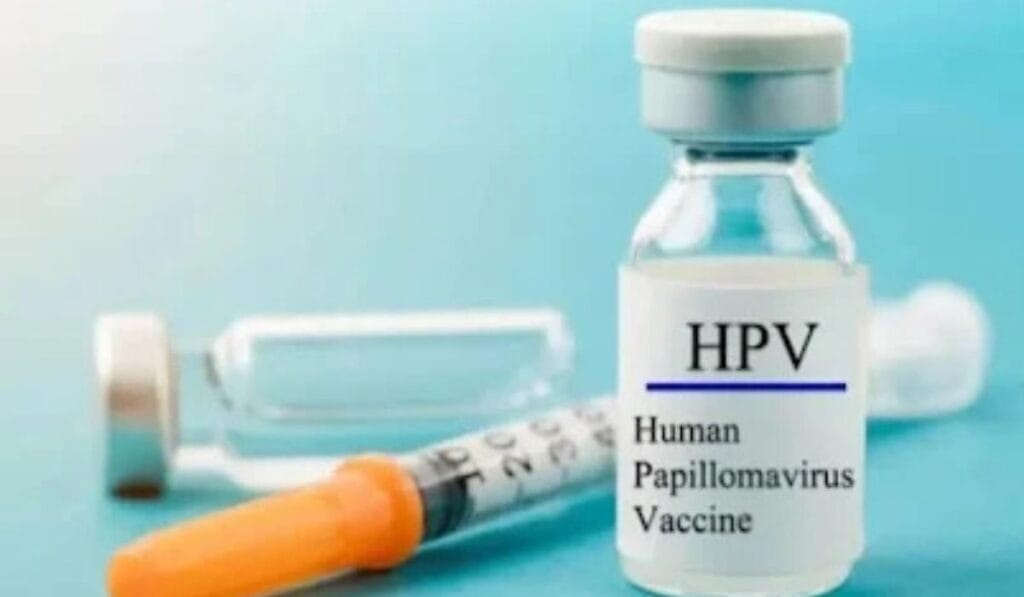
The HPV vaccine, called Cecolin, is a single-dose, bivalent vaccine developed in China and launched globally in 2006. It protects against HPV types 16 and 18, which together cause approximately 70% of cervical cancer cases worldwide. Approved and implemented in more than 150 countries, Cecolin is a vital component of the World Health Organization’s global strategy to eliminate cervical cancer by 2030.
In Pakistan, the stakes are high. Over 5,000 women die annually from cervical cancer, and the survival rate is alarmingly low at just 36%. The campaign initially covers Punjab, Sindh, Islamabad, and Azad Jammu & Kashmir. The government plans to expand the drive to Khyber Pakhtunkhwa in 2026 and to Balochistan and Gilgit-Baltistan by 2027.
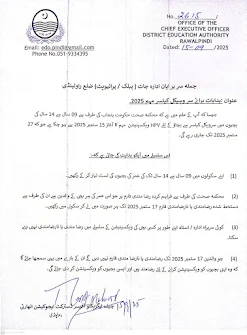
In Islamabad, District Health Officer (DHO) Dr. Rashida Batool confirmed that around 147,000 girls aged 9 to 14—both in and out of school—are being targeted. However, by the third day of the campaign, refusals began surfacing. According to Dr. Rashida, although initial feedback from school principals, teachers, and parents was encouraging, social media misinformation sparked fresh doubts and hesitancy.
“Many parents began pulling their daughters out of the campaign due to unfounded fears,” she said. “Our teams, in collaboration with civil society organizations, are now holding community sessions, meeting with lawmakers, and addressing concerns through direct engagement.”
One viral concern relates to the vaccine’s supposed impact on fertility or its “halal” status. Conspiracy theories about the vaccine being part of a Western agenda have also gained traction. Dr. Rashida clarified, “This vaccine has been safely used for nearly two decades. It’s endorsed by global health authorities and Islamic countries alike. Our objective is to make it part of Pakistan’s routine immunisation program.”
Amid the backlash, Federal Health Minister Mustafa Kamal made headlines by publicly vaccinating his own daughter. Speaking at an awareness event in Karachi, Kamal shared that his family normally avoids public attention, but the need to counter vaccine misinformation compelled him to take this bold step. “We cannot allow rumors to endanger our daughters’ lives,” he said. “This vaccine has already been adopted in 190+ countries, including many Muslim nations.”
Private schools have also found themselves in a difficult position—caught between government directives and concerned parents. Dr. Muhammad Afzal Babar of the Private Schools Network (PSN) highlighted this dilemma, saying, “Without grassroots awareness campaigns, parents remain confused and fearful.”
According to a survey by Jhpiego, only 19% of caregivers in Pakistan have heard of cervical cancer, 5% know about HPV, and just 2% are aware of the vaccine. Among those who have heard of it, many incorrectly believe that the disease is curable—exposing deep gaps in public understanding.
To combat this, the campaign includes animated videos, school outreach, mosque-based messaging, and direct counselling sessions in local languages. Civil society groups, health workers, media professionals, and religious scholars have been roped in to shift the narrative from fear to fact.
“The resistance is not new,” said Dr. Rashida. “We saw it during the polio campaign as well. But with consistent outreach, we can overcome it.”
After this national drive concludes, the government aims to integrate HPV vaccination into its regular immunisation schedule with the support of Gavi, the Vaccine Alliance, ensuring long-term protection.
As Dr. Khurram Shahzad, Director of the Federal Directorate of Immunisation (FDI), aptly noted, “If parents, teachers, doctors, and religious leaders work together, we can create a future where no girl dies from a preventable cancer.”
Ultimately, Pakistan’s HPV campaign is not just a medical initiative—it’s a societal challenge. Science can offer solutions, but public trust must be earned. Facts must replace fear, and collective action must override cultural hesitation. Only then can Pakistan fully protect its daughters from a silent killer.
#HPVVaccine #Pakistan #HealthForAll #Vaccination #PublicHealth #Misinformation #CervicalCancer #VaccineHesitancy