 BeNewz
Related Articles



BeNewz Report
Government and private educational institutions reopened today in Punjab and Khyber Pakhtunkhwa after the summer vacation, but flood-hit areas remain closed.
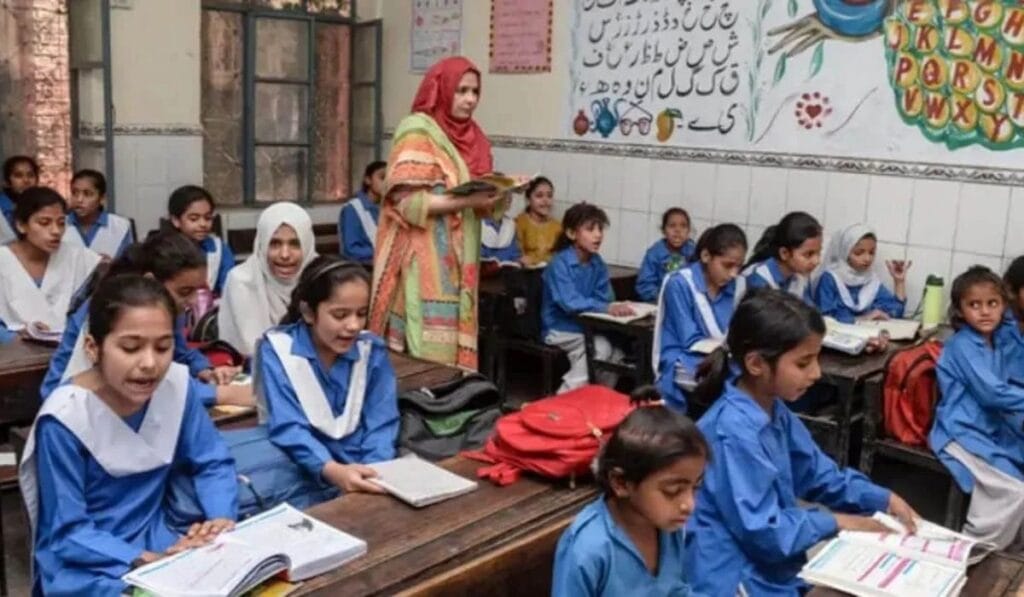
Government and private schools across Punjab and Khyber Pakhtunkhwa resumed classes on Monday as the summer vacation ended, bringing millions of students back to their academic routines. However, flood damage has forced many institutions in affected districts to remain shut, raising concerns over the disruption of education in vulnerable communities.
In Lahore and most urban centers of Punjab, students returned to classrooms, but the provincial education department confirmed that 45 government schools in flood-affected neighborhoods could not resume teaching. These include Central Model School on Reti Gun Road, schools in Maraka, Manga, Chuhang, Shadab Colony, Saggian, Band Road, Shafiqabad, Pari Mahal Shahdara, Thokar Niaz Baig, and Shahpur Kanjran. Officials added that in Bahawalnagar, where flood conditions remain severe, schools will remain closed until September 5.
Meanwhile, Khyber Pakhtunkhwa also reopened schools, colleges, and universities, with Peshawar and other major cities witnessing a large turnout of students on the first day back. Education authorities emphasized that while urban areas are functioning normally, rural and flood-hit regions continue to face challenges in restoring academic activity.
In Pakistan, summer vacations traditionally last from June through August, with the new academic session beginning in early September. However, heavy monsoon rains this year have inundated large parts of Punjab and southern KP, damaging school infrastructure and leaving classrooms unusable. Education specialists have warned that prolonged closures could worsen learning losses, especially for children in marginalized communities who already struggle with access to schooling.
Analysts note that the recent floods echo earlier natural disasters, such as the 2010 super floods, which displaced millions and disrupted education nationwide. Then, as now, education was one of the first casualties, with thousands of schools either submerged or converted into temporary shelters. Observers stress that lessons from those past crises must inform today’s response to ensure continuity of learning.
Experts have urged provincial governments to adopt emergency measures such as setting up temporary classrooms, using digital learning platforms, or relocating students to nearby functioning schools. Without swift intervention, they warn, children in flood-affected districts could face long-term academic setbacks.
Parents and education activists have also expressed concern over the widening urban-rural divide in education access. While cities like Lahore and Peshawar resume classes without major disruptions, children in low-lying districts remain cut off from learning opportunities, exacerbating existing inequalities in Pakistan’s education system.
The reopening of schools across Punjab and Khyber Pakhtunkhwa marks an important step toward normalcy after the summer break. Yet, for thousands of children in flood-hit regions, the wait for classrooms to reopen continues, with their future hinging on how quickly authorities can repair infrastructure and provide alternative arrangements.
Education departments in both provinces say they are monitoring the situation and coordinating with disaster management authorities. Still, much will depend on the speed of rehabilitation efforts and the allocation of resources to restore learning environments.
As schools reopen in much of Pakistan, the challenge remains ensuring that no child is left behind due to natural calamities. The return to normal academic life for millions is a sign of resilience, but for flood-affected families, the struggle to secure education for their children is far from over.