 BeNewz
Related Articles



BeNewz Report
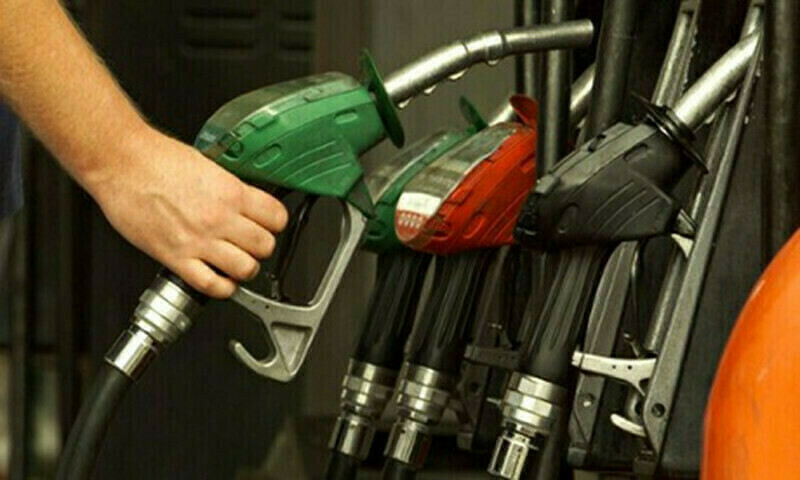
Consumers may see modest relief as petroleum prices are projected to drop for the first half of September 2025, with petrol expected at Rs264 and diesel at Rs269.86 per litre. Petrol and diesel prices in Pakistan are projected to decline modestly from September 1, 2025, providing some respite for consumers struggling with high inflation and steep utility bills.
According to industry estimates, the ex-depot sale price of petrol could dip by Rs 0.61 per litre, lowering it from Rs 264.61 to Rs 264.00. High-speed diesel (HSD), the most widely used fuel in the country, is forecast to fall by Rs3.13 per litre to Rs269.86. Kerosene, used extensively in rural households and heating, may see a reduction of Rs1.78 per litre to Rs176.70, while light diesel oil (LDO) is expected to decline by Rs2.60 to Rs159.55.
The ex-refinery price adjustments indicate a similar downward trajectory, with petrol likely to fall by Rs0.43 per litre, diesel by Rs2.87, kerosene by Rs1.57 and LDO by Rs2.61. These shifts largely mirror fluctuations in international oil markets, import premiums and refining margins. In percentage terms, petrol is projected to drop by 0.2 per cent, diesel by 1.1 per cent, kerosene by 0.9 per cent and LDO by 1.6 per cent.
Industry insiders caution, however, that the relief remains tentative as estimates exclude foreign exchange losses, which oil marketing companies typically pass on to consumers. A volatile rupee-dollar exchange rate could significantly alter the final adjustment. If the rupee weakens further, the anticipated cut may shrink, while any appreciation could increase the reduction.
Global crude benchmarks and refined product premiums also play a critical role in shaping local prices. Current calculations show motor gasoline premiums at $6.37 per barrel and HSD premiums at $3.20 per barrel. Domestic pricing further incorporates the Inland Freight Equalisation Margin (IFEM), currently at Rs 8.05 per litre for petrol and Rs 6.20 for diesel, alongside the Petroleum Levy (PL) and the Climate Support Levy (CSL), both of which influence the end-consumer rate.
The Ministry of Finance, in consultation with the Oil and Gas Regulatory Authority (OGRA), will finalise prices based on the latest Platts benchmarks before September 1. With one trading day still left before the cut-off, the working paper estimates remain provisional. Any sudden shifts in international crude prices or foreign exchange volatility could alter the eventual notification.
Global energy markets have eased somewhat in recent weeks, though refined product premiums remain elevated due to shipping costs, regional supply risks and strong demand from South and East Asia. Analysts note that despite falling crude prices, these structural pressures prevent a more pronounced reduction in retail fuel prices.
For Pakistan’s inflation-hit consumers, even a minor decrease is viewed as a welcome development. The Consumer Price Index (CPI) has remained in double digits throughout 2025, with energy prices a major contributor. Diesel is particularly influential in determining transport fares, food logistics and electricity generation costs. A Rs3.13 cut in diesel may therefore provide secondary relief by slowing the pace of inflation across the wider economy, albeit modestly.
Historically, Pakistan’s fuel price adjustments have closely tracked global markets, but domestic factors, including the exchange rate and government taxation, have often diluted the benefit of lower crude prices. For example, in previous year,s when crude oil prices dipped sharply, high levies and a depreciating rupee limited relief at the pump. This pattern may repeat in September if currency weakness offsets the current downward trend.
With households already struggling against rising food, electricity and gas tariffs, the upcoming announcement will be closely watched. Even fractional reductions in petrol and diesel prices influence public sentiment and purchasing power. The government is expected to announce the official fortnightly revision on August 31, with implementation from September 1.
Ultimately, whether the projected Rs3.13 per litre cut in diesel and smaller reductions in petrol, kerosene and LDO translate into actual relief will depend not only on international oil trends but also on the rupee’s stability. For now, consumers are cautiously optimistic that the first fortnight of September may ease some of the financial pressure that has defined much of 2025.