 BeNewz
Related Articles



Aftab Maken
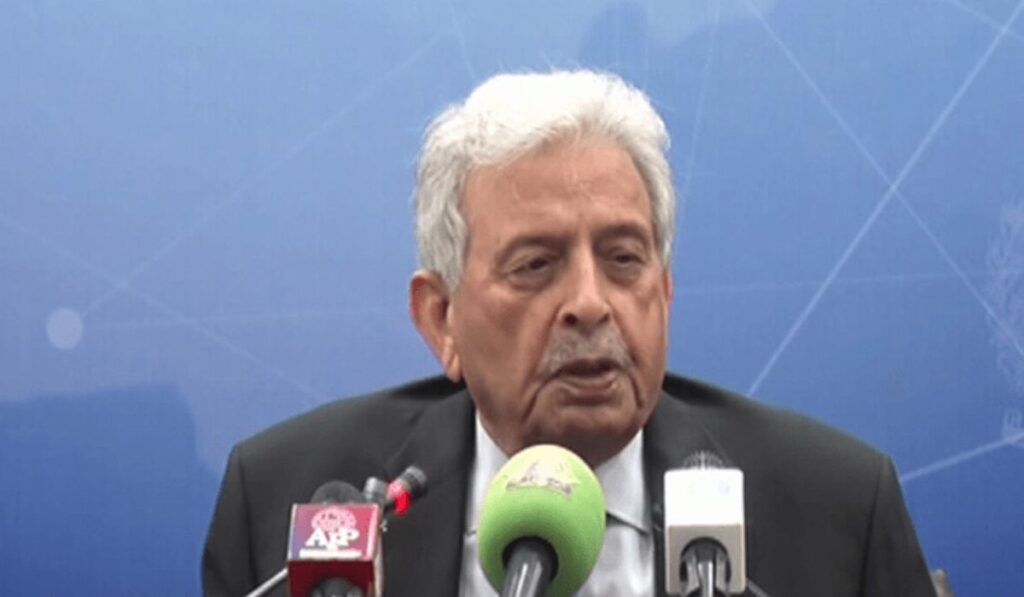
ISLAMABAD: Federal Minister for Food Security & Research, Rana Tanveer, has said that sugar is available in abundant quantity and its price is within the reach of the common man, having no significant impact on household budgets.
Addressing a press conference in Islamabad, he said that media is portraying the impression that there is a serious sugar crisis in the country with issues related to demand, supply, and pricing. “It is often claimed that sugar was first exported and later imported, but the reality is different,” he said. “Except for one or two years, sugar has historically been exported in large quantities and then imported as needed. The sugar issue emerges seasonally like monsoon frogs,” he remarked.
He explained that the Sugar Advisory Board includes federal ministers, representatives from all four provinces, and relevant stakeholders. The government allowed sugar export in a phased manner. At the time when the export request was made, the global market price of sugar was $750 per ton. When export was permitted, it was agreed to set the ex-mill price at Rs140 per kg, with a Rs2 per kg increase from the prevailing rate.
Rana Tanveer said that usually there is a difference of Rs8 to Rs10 per kg between ex-mill and retail prices. After the export, the local price of sugar crashed and dropped to Rs119 per kg. “We had maintained a buffer stock of 500,000 tons, but sugar mill owners urged the government to purchase it, claiming they had taken loans from banks,” he added.
He said that during the month of Ramadan, sugar was being sold at Rs130 per kg. Later, the area under sugarcane cultivation increased and it was expected that production would reach 7 million metric tons. However, due to the impact of climate change, not just in Pakistan but globally, agricultural yields were affected. Despite an increase in the cultivated area, sugar production fell. “As soon as we learned about the shortfall, the Prime Minister halted the remaining sugar export and 40,000 tons of sugar was not exported,” the minister said.
He stated that this year, the country produced 6.3 million metric tons of sugar, which is sufficient to meet domestic needs. Farmers received between Rs4,500 and Rs4,750 per ton for their sugarcane. Price increases were driven by hoarders and dealers, and strict action is now being taken against them. Presently, sugar is being sold at Rs173 per kg, and in some areas at Rs172 per kg.
Rana Tanveer compared regional prices, saying sugar is currently priced at Rs150 per kg in India, Rs187 in Bangladesh, Rs173 in Afghanistan, and Rs250 in Iran. “In Pakistan, sugar is easily available and affordable. Its current price does not affect the budget of the common man,” he stressed.
The minister disclosed that Pakistan earned $450 million by exporting sugar at the rate of $500 per ton. “If we had exported at $750 per ton, we would have earned even more foreign exchange,” he noted. Export permission was granted for 7.5 million tons, while imports were allowed up to 500,000 metric tons. “We are currently importing 300,000 tons and will not import more than 300,000 tons,” he clarified.
He assured the public that sugar stock is available in sufficient quantity and there is no shortage. Prices have been fixed, although slight variations may occur in some areas. A three-month agreement has been signed with sugar mills, allowing a maximum increase of Rs2 per kg, setting the ex-mill ceiling price at Rs175 per kg. New sugar production will soon enter the market, stabilizing prices.
The minister highlighted that only 20% of sugar is consumed by households, while 80% is used by commercial consumers including beverage makers, bakeries, and confectioners.
He concluded by saying, “I swear on oath — not because he is my boss — even Miftah Ismail admitted that when he was Finance Minister, Prime Minister Shehbaz Sharif did not allow sugar exports.” He hinted that a crackdown on those involved in cartelization is imminent and that its “heat will be felt in many places.”