 BeNewz
Related Articles


BeNewz Report
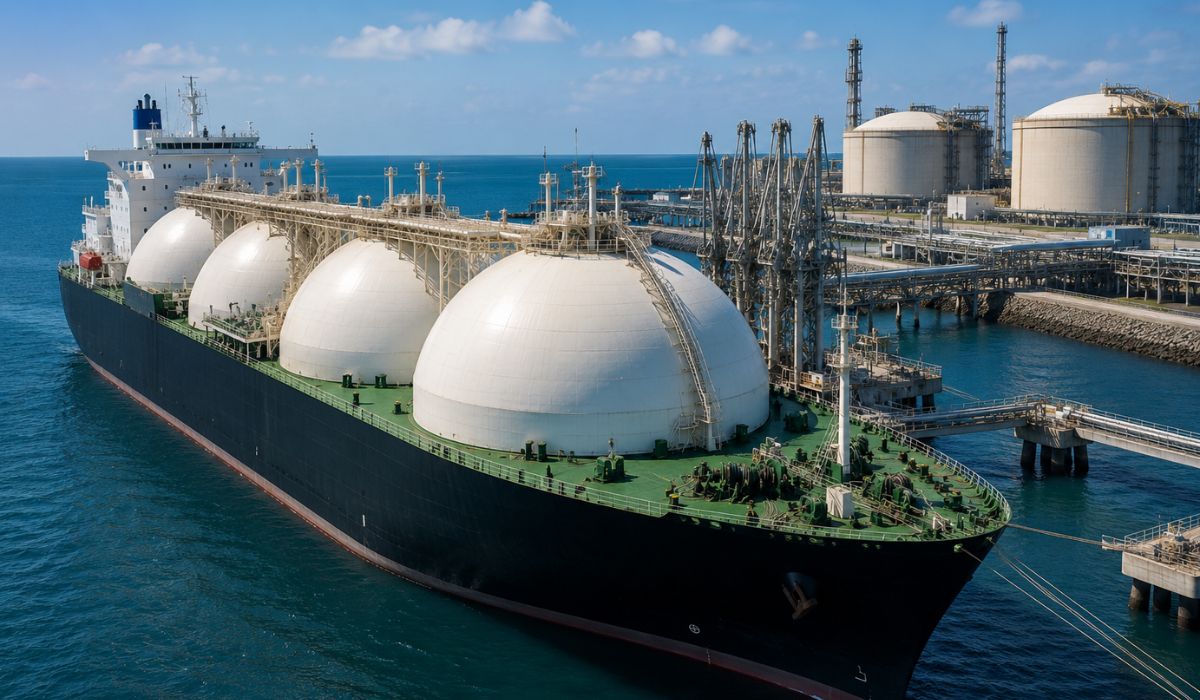
ISLAMABAD: After scrapping two previous tenders over unacceptably high prices, Pakistan has failed to attract even a single bid in its third attempt to secure a liquefied natural gas cargo for delivery between September 12 and 16, according to an official evaluation report issued by state-run Pakistan LNG Limited (PLL).
The Pakistan LNG tender, floated under reference No. PLL/IMP/LNGT79, closed on September 8, 2026 at 1400 hours PST with zero bids received, deepening concerns over the country’s ability to secure fuel supplies for its power sector.
Background: A Third Strike in the Same Procurement Cycle
According to the evaluation report prepared under Rule 35 of the Public Procurement Regulatory Authority (PPRA) Rules, 2004, PLL had sought a single cargo of roughly 140,000 cubic metres of LNG on a single-stage, two-envelope procurement basis, with bid opening scheduled for 1430 hours PST the same day.
The report lists the number of bids received as zero, meaning no technical or commercial evaluation could be carried out and no lowest evaluated bidder could be identified for the September 12-16 delivery window.
This marks the third time PLNGL/PLL has gone to the market for this same cargo window after two earlier tenders were cancelled for drawing prices considered too high, following the same pattern that has repeatedly disrupted Pakistan’s spot LNG procurement this year.
The failed tender comes just days after PLL had to rush out an emergency procurement for an early-September cargo amid ongoing load-shedding, with the government publicly apologising over prolonged power outages linked partly to gas shortages. It also follows a string of costly spot purchases this summer, with Pakistan paying a record $21.88 per MMBtu for a July cargo — its highest-ever spot LNG price — after earlier July cargoes were secured at $16.73, $17.37, $18.23 and $20.69 per MMBtu in successive tenders.
Market and Industry Reaction
The zero-bid outcome fits a broader pattern global LNG traders and analysts have flagged through the year: suppliers increasingly favour premium markets, particularly in Europe and Northeast Asia, over short-notice tenders from price-sensitive buyers like Pakistan.
Earlier in the year, market commentary around Pakistan’s LNG woes noted that a string of consecutive tenders drew almost no interest from international sellers, who preferred to route cargoes to buyers willing to pay a premium.
Industry watchers have also pointed out that repeated cancellations and short bid-validity windows make Pakistan a less attractive counterparty for traders juggling tighter global supply.
Analysis: A Familiar and Worsening Bottleneck
The immediate risk from this failed tender is straightforward — with no cargo secured for the September 12-16 window, PLL will likely need to issue a fourth tender at short notice, almost certainly under time pressure that weakens Pakistan’s negotiating position rather than improving it.
This is the pattern that produced the record $21.88/MMBtu purchase in July: each successive re-tender under a compressed deadline has tended to push prices higher, not lower, because urgency signals weakness to sellers.
The recurrence of zero-bid outcomes despite genuine supply need also raises a structural question about PLL’s tender design — short bid-validity periods and single-cargo lot sizes may simply be unattractive to traders juggling larger, longer-tenured commitments elsewhere.
Absent changes to tender structure, timing, or a renewed push on long-term contracts (such as the existing Qatar deal), Pakistan’s power sector risks entering the winter heating season with the same cargo-by-cargo scramble that has already strained supply through 2026.