 BeNewz
Related Articles



–Pakistan LNG imports ease energy shortages after Qatari shipments pass Hormuz amid regional tensions and diplomatic coordination with Iran and Qatar
BeNewz Report
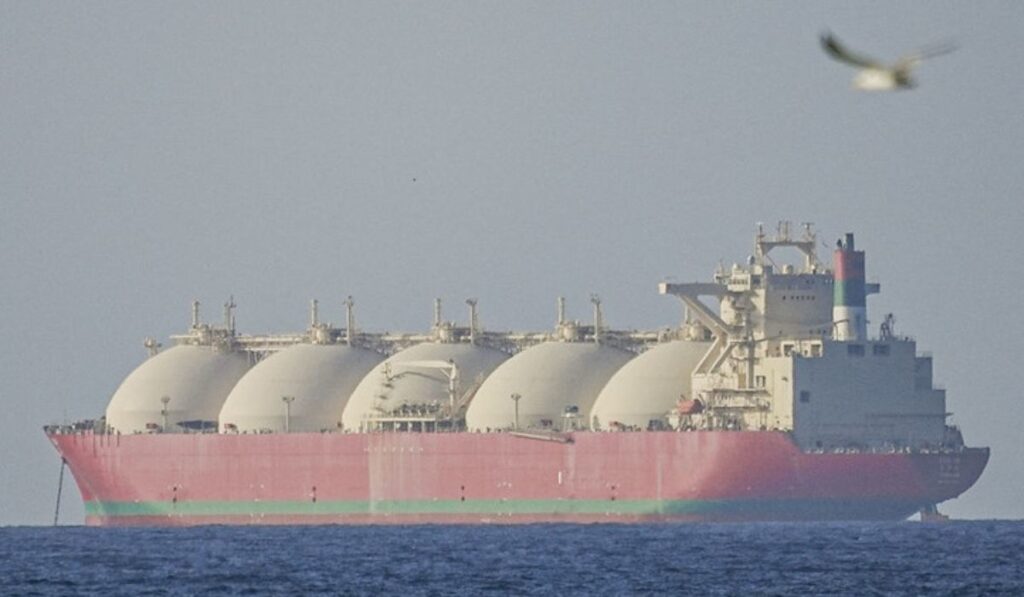
ISLAMABAD: Pakistan LNG imports have resumed after Qatari cargoes successfully transited the Strait of Hormuz under heightened regional maritime tensions. Two liquefied natural gas vessels reached Pakistan in recent days after passing the strategic chokepoint.
The development comes amid reported disruptions linked to wider Middle East security tensions affecting energy shipping lanes. Officials and maritime analysts described the movement as a carefully negotiated logistical breakthrough, reported OilPrice.com.
Energy officials in Islamabad said the shipments were secured through coordinated diplomatic engagement with Qatar and Iran. Pakistan has historically depended on long-term LNG contracts with Qatar to stabilize its gas supply. The recent arrivals mark a critical lifeline for power generation and industrial fuel consumption during peak demand cycles. The country has faced recurring shortages due to rising demand and constrained domestic gas production.
The Strait of Hormuz remains one of the world’s most sensitive energy corridors. Nearly a fifth of global LNG trade typically moves through the waterway, according to the U.S. Energy Information Administration analysis published in 2024. Any disruption in this corridor has immediate implications for import-dependent economies such as Pakistan.
Maritime intelligence firm Windward noted that Qatar-linked LNG movement through Hormuz showed limited recovery activity after several weeks of disruption. The firm described the restart as partial but operationally significant for supply continuity. Analysts said shipping companies have been navigating rerouted schedules, enhanced security protocols, and insurance premium adjustments due to risk perceptions.
Pakistan’s energy sector has remained under sustained pressure in recent years. According to the International Energy Agency Gas Market Report 2024, global LNG volatility increased after supply shocks in Europe and Asia. This volatility has exposed structural vulnerabilities in countries reliant on imported LNG for electricity generation.
Officials said Pakistan received at least two Qatari LNG cargoes after successful passage through Hormuz. The first cargo reportedly cleared earlier this month, while another arrived within the same operational window. One of the vessels identified as Al Kharaitiyat reportedly became the first Qatari LNG tanker to transit the Strait following earlier disruptions reported in late February, according to maritime tracking summaries cited by industry sources.
The shipments are being viewed as strategically important for Pakistan’s energy security. Gas shortages in the country have led to periodic power outages, industrial slowdown, and increased reliance on expensive alternative fuels. The power sector remains heavily dependent on imported LNG for peak electricity generation during high-demand seasons.
Pakistan has also been working to diversify its supply chain management through diplomatic engagement. Officials said the country leveraged its relations with Qatar and Iran to ensure safe passage of energy cargoes. The cooperation reflects broader regional efforts to prevent escalation in maritime energy transport risks.
Federal Minister for Petroleum Ali Pervaiz Malik said Pakistan will maintain close coordination with Qatar to ensure uninterrupted LNG supplies. He emphasized that Pakistan prioritizes secure energy flows from friendly nations through structured approvals and risk-managed routing. He added that additional gas procurement options are being explored to meet rising national demand.
Energy analysts said Pakistan’s LNG strategy remains tightly linked to global spot prices and long-term contract stability. According to the World Bank Commodity Markets Outlook 2025, LNG prices have remained sensitive to geopolitical disruptions and seasonal demand spikes. This has increased fiscal pressure on importing countries managing subsidy burdens.
Historically, Pakistan entered long-term LNG agreements with Qatar to address widening domestic gas deficits that emerged after 2015. Over the past decade, domestic gas field depletion and rising urban consumption have deepened import dependence. Policy reforms have aimed at expanding regasification capacity and improving pipeline efficiency, though structural gaps remain.
Regional shipping security has also become a growing concern for energy markets. The International Maritime Organization has repeatedly highlighted risks in critical chokepoints such as Hormuz in its annual maritime safety reviews. Insurance premiums and freight costs tend to rise sharply during periods of geopolitical instability, directly affecting LNG landed costs.
Despite these challenges, Pakistan’s recent LNG arrivals signal continued functioning of contracted supply routes. Industry participants said shipping firms are adjusting operational timelines rather than suspending deliveries entirely. This indicates cautious normalization rather than full restoration of pre-disruption flows.
Pakistan’s broader energy outlook remains dependent on LNG imports, domestic gas exploration, and renewable expansion strategies. The government has signaled intentions to balance energy mix diversification while ensuring short-term supply stability. However, fiscal constraints and import dependency continue to shape policy decisions.
As global LNG markets remain volatile and maritime risks persist, Pakistan LNG imports will remain central to energy security planning, economic stability, and industrial continuity in the coming months.