 BeNewz
Related Articles


Aftab Maken
ISLAMABAD: As Pakistan’s tug-of-war over its new auto policy drags on, the real question isn’t how much more protection assemblers should get — it’s how much longer an industry that has lived on subsidies for decades can keep asking consumers and the national exchequer to foot the bill. The previous policy lapsed on June 30, and a standoff between the Ministry of Industries and the Ministry of Commerce has now pushed the matter to the prime minister’s desk. But both evidence and experience point the same way: this time, the decision should favour consumers, not assemblers.
Four Decades of Protection, Still No Competitiveness
Pakistan’s auto industry has been shielded by protectionist policy for roughly forty years — and what has it produced? The last three auto policies set an annual production target of 500,000 vehicles, a mark the industry has managed to reach only about two-thirds of. If four decades of protection couldn’t build competitiveness or scale, it’s wishful thinking to expect a few more years of concessions to work a miracle. The truth is that protection didn’t foster competition — it nurtured a safe, sluggish, unaccountable market where consumers were consistently handed overpriced, outdated technology.
What Did Consumers Get? Higher Prices, Lower Quality
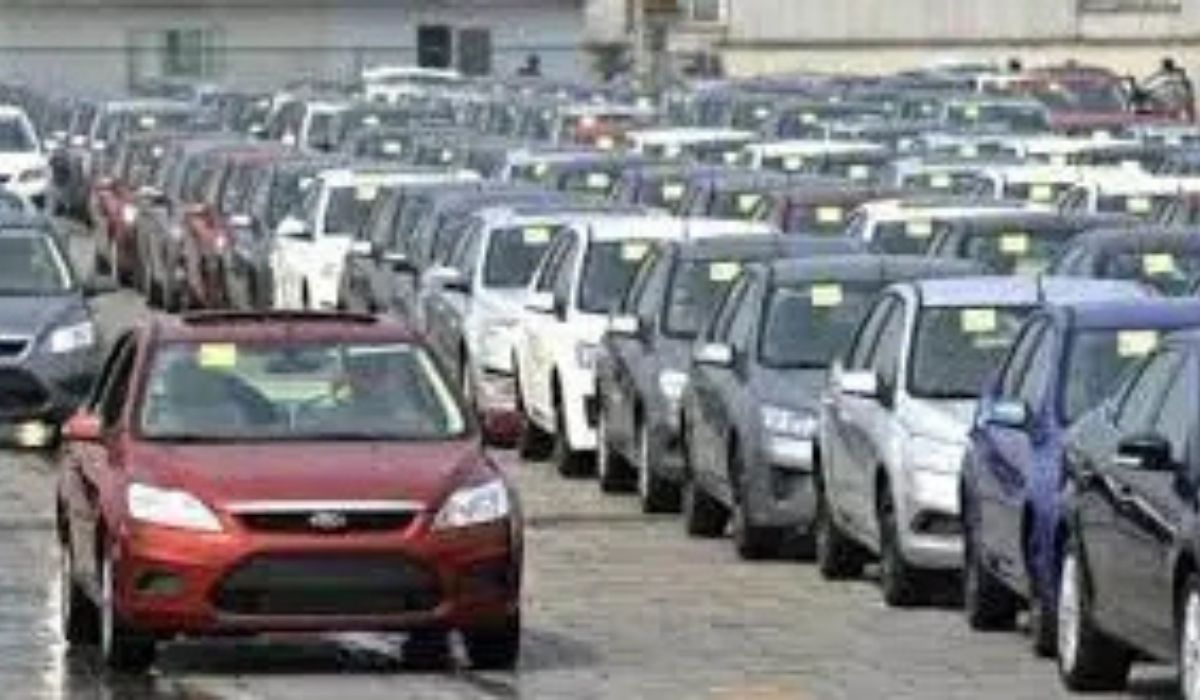
The recent cut in duties on Completely Built-Up (CBU) vehicles — down from 50-60% to 30-40% depending on engine size — is exactly the kind of step millions of consumers have needed for years. When imported cars become available at competitive prices, local assemblers will finally be forced to offer better quality, modern features and fair pricing — the very competitive pressure that four decades of protectionism kept away from consumers. Assemblers’ anxiety over the unchanged CKD duty structure is really evidence that they fear open competition, not proof that the new policy will hurt the industry.
The Overstated Jobs Claim
The auto lobby’s claim that the industry creates 1.8 to 2.5 million jobs comes without any credible data behind it. By contrast, a detailed committee review put the realistic estimate at around 300,000 jobs — a relatively modest figure in the context of the overall economy. When an industry itself accounts for less than 1% of GDP, keeping millions of consumers locked into buying expensive, substandard vehicles in the name of protecting a few hundred thousand jobs is hardly sound economic policy.
NEV Incentives Are Welcome — But the Real Win Should Be for Consumers
The one-year extension of lower duty and GST rates for EVs and Re-Extended Range Electric Vehicles (REEVs) is a positive step, and PHEVs and HEVs deserve the same treatment so consumers have a wider range of affordable, environmentally friendly options. But the goal shouldn’t just be handing fresh incentives to a few brands — it should be increasing overall market competition so that prices come down and consumers get real choice.
Protecting Investment Shouldn’t Mean Taxing Consumers Forever
The argument that new entrants have invested over $1 billion in the past decade doesn’t justify permanently propping up that investment on taxpayers’ backs. Taking on business risk is the investors’ own responsibility, not the public’s burden. If a Federal Excise Duty is used to neutralise the fiscal impact of lower CKD duties, that would effectively be reintroducing the old protectionist policy in a new guise — a move that would work against both consumers and competition.
The IMF’s Position Also Favours Consumers
The IMF’s opposition to any form of protection for the automobile sector, and for electric vehicles in particular, is no accident — it reflects the global financial experience that long-term protection mostly benefits a handful of large players while the cost is borne by the entire nation. As the government finalises its decision at the prime minister’s level, it should prioritize the interests of millions of consumers and the national exchequer over industry lobbying pressure.