 BeNewz
Related Articles


–Pakistan’s Cabinet Committee on Energy has approved the high-level design of the National Integrated Energy Plan 2027–2060.
—The framework aims to coordinate energy planning, investment and resources across sectors while improving affordability, reliability, energy security and environmental sustainability.
Aftab Maken
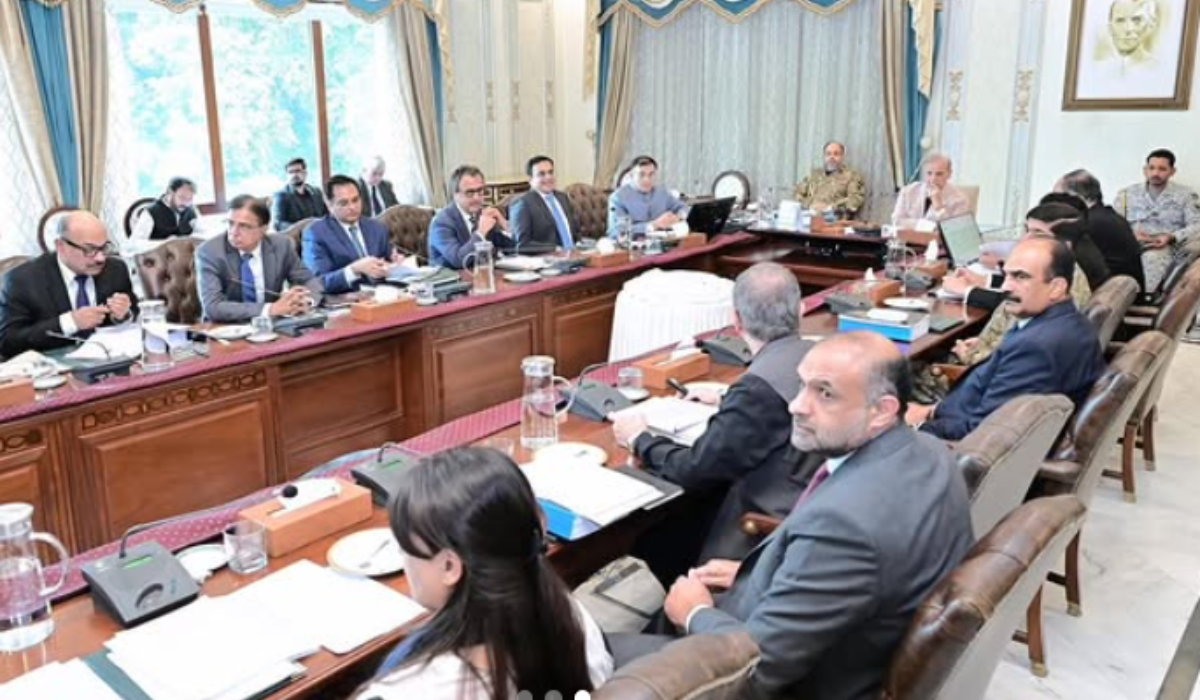
ISLAMABAD: Pakistan has approved the high-level design of its National Integrated Energy Plan 2027–2060. The Cabinet Committee on Energy–CCoE approved the framework after its presentation by the Power Division on Tuesday.
The National Integrated Energy Plan will establish a long-term framework for Pakistan’s entire energy sector. It will move planning beyond separate approaches for electricity, gas, fuels and other subsectors.
The framework will also seek closer coordination between federal and provincial institutions. Officials expect this coordination to improve resource allocation, infrastructure planning and investment decisions across the energy value chain.
The plan is built around four pillars: energy, economics, equity and environment. These pillars are intended to balance energy security, financial sustainability, public access and climate resilience.
The energy pillar focuses on developing a secure, reliable and resilient energy system. The economic pillar seeks a competitive and financially sustainable energy sector.
The equity pillar aims to expand affordable and accessible energy for consumers. The environmental pillar focuses on lower carbon emissions and stronger climate resilience.
The proposed framework builds on an existing policy direction for integrated planning. Pakistan’s National Electricity Policy 2021 already requires power planning to be integrated with the wider energy value chain.
The National Electricity Plan 2023–27 also identified integrated energy planning as a priority. It called for a high-level integrated energy plan covering the country’s broader energy requirements.
The new framework therefore represents an expansion of existing planning arrangements. It is intended to connect electricity generation with fuel supplies, infrastructure and wider economic requirements.
The government expects better coordination to reduce fragmented decision-making across institutions. It also expects improved planning to prevent unnecessary duplication in energy infrastructure projects.
The approach could become increasingly important as Pakistan expands renewable energy. The country has previously adopted policies targeting greater renewable generation and lower dependence on costly conventional energy sources.
Pakistan’s renewable energy policy framework has also promoted competitive procurement and greater private-sector participation. It has encouraged local manufacturing, technology transfer and development of renewable energy infrastructure.
Grid infrastructure remains a major challenge for the energy transition. The World Bank approved $375.9m in July 2026 to strengthen Pakistan’s electricity transmission network. The project aims to reduce outages and support greater integration of clean energy.
The World Bank said the project could unlock 640MW of currently curtailed wind power. It will also support integration of about 491MW of planned renewable energy projects.
These developments highlight the importance of long-term coordination between generation and transmission. Renewable capacity cannot deliver its full economic value without adequate networks and reliable system operations.
The new plan also seeks greater use of indigenous energy resources where economically feasible. This could help reduce Pakistan’s exposure to imported energy and international price volatility.
That issue has gained importance amid recent disruptions in global energy markets. Pakistan’s reliance on imported fuels has exposed the economy to supply risks and external price shocks.
For consumers, the government says affordability and reliability remain central objectives. The integrated approach is expected to support more efficient use of resources and reduce avoidable system costs.
Energy storage and other emerging technologies will also feature in future planning. Their integration could help manage variable renewable generation and improve overall system flexibility.
The plan’s economic impact will depend heavily on implementation and institutional coordination. A long-term framework alone will not reduce costs unless investment decisions follow clear priorities.
Pakistan has faced repeated challenges involving energy costs, financial sustainability and infrastructure constraints. The World Bank’s latest country framework also identifies energy reforms and investment as important for sustainable economic growth.
The government now faces the task of translating the approved design into detailed planning. This will require sector-specific targets, investment priorities, implementation mechanisms and measurable performance indicators.
The National Integrated Energy Plan could eventually provide a common direction for federal and provincial energy decisions. Its success will depend on consistent implementation, transparent investment choices and sustained coordination through 2060.