 BeNewz
Related Articles


–Power outages in Karachi reaches to 12 hours daily
Aftab Maken
ISLAMABAD: As summer heat intensifies across the country, electricity demand has surged rapidly, triggering a fresh wave of power shortages. This would surely push back the poor electricity consumers in 2008-13 situation to face the menace of 12 hours daily loadshedding.
The Power Division has formally written to the Petroleum Division, warning that without immediate arrangements for at least four LNG cargoes, the country could face prolonged load shedding and a sharp rise in electricity generation costs due to increased reliance on expensive diesel.
According to reliable sources, the letter highlights that the sudden spike in temperatures has significantly boosted power consumption. Regasified Liquefied Natural Gas (RLNG) has become critically important for running efficient power plants.
The Power Division has specifically requested the Petroleum Division to arrange four LNG cargoes as soon as possible, preferably under long-term contracts with Qatar.
The letter expresses serious concern that any delay in LNG supply would force power producers to switch to High Speed Diesel (HSD), which is far more expensive.
This shift would not only increase the overall cost of electricity production but also lead to higher Fuel Cost Adjustments (FCA) passed on to consumers. Moreover, the duration of load shedding could extend further if the shortfall is not addressed promptly.
Karachi hit hardest by extended outages
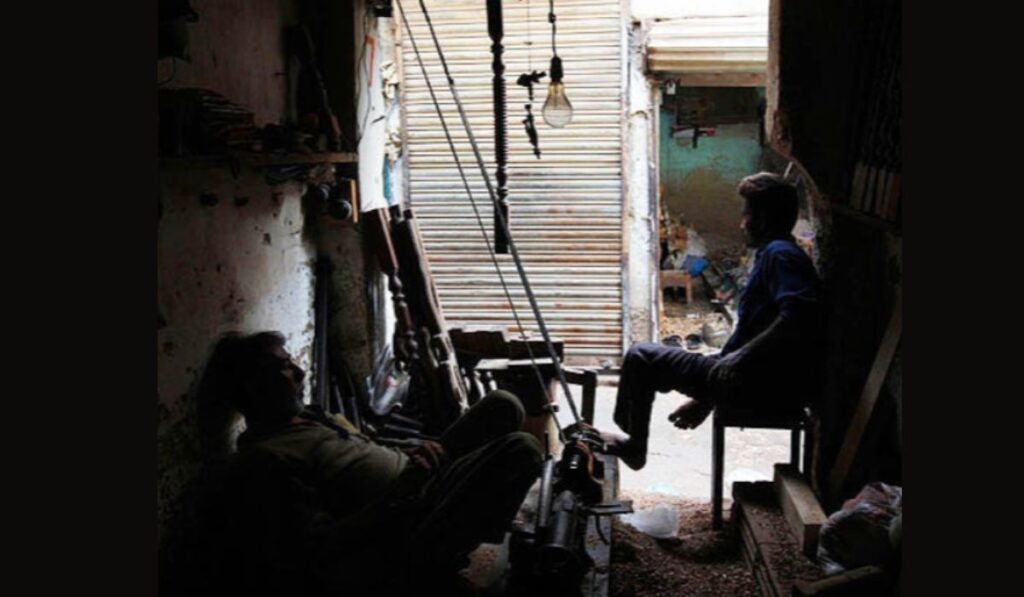
The situation has become particularly severe in Karachi, where both announced and unannounced power outages have crossed 12 hours in many areas.
Residents in Korangi, Surjani Town, Liaquatabad, Saddar, Garden, North Nazimabad, Malir, and Orangi Town are enduring lengthy blackouts daily. Commercial markets as well as residential neighbourhoods have been badly affected, disrupting businesses and daily life.
Shopkeepers report significant losses due to spoiled goods and reduced customer footfall, while families struggle with the intense heat without fans or air conditioners. The equal duration of load shedding in urban and rural areas of Karachi has added to public frustration.
Federal Minister for Power has described the current load shedding as temporary and linked it to supply constraints. However, officials acknowledge that the crisis stems from disruptions in international LNG shipments, reportedly caused by regional tensions in the Middle East, including issues around the Strait of Hormuz.
Qatar had earlier declared force majeure on some cargoes, leading to a sharp drop in imported LNG availability. Pakistan is currently in high-level discussions with Qatar for the urgent supply of at least four LNG cargoes.
The Power Division has already demanded around 400 million cubic feet per day (mmcfd) of RLNG to meet the needs of both national distribution companies and K-Electric. Without these cargoes, the electricity shortfall could reach 4,000 to 4,500 MW during peak hours.
The ongoing crisis has forced the government to implement load management of 2 to 7 hours in different regions, with some areas experiencing even longer outages. Hydel generation has also declined due to lower water releases from major reservoirs, compounding the problem.
Power Division officials remain hopeful that once the LNG cargoes arrive and hydel output improves, the situation will ease. They emphasize that the current measures aim to avoid an even sharper rise in electricity tariffs that would result from heavy diesel usage.
For now, citizens are advised to conserve electricity and stay updated through official channels. The government has urged the Petroleum Division to expedite arrangements with Qatar and explore spot market options if needed, despite higher costs.
This early summer power crisis serves as a reminder of Pakistan’s continued vulnerability to imported fuel disruptions. Long-term solutions, including increased domestic gas allocation to the power sector and faster development of renewable energy projects, are being discussed at the highest levels.
As temperatures continue to rise in the coming weeks, the timely arrival of LNG will be crucial to prevent the load shedding situation from worsening further. Citizens in affected areas, especially Karachi, hope for quick resolution so that normal life and business activities can resume without the constant threat of prolonged blackouts.