 BeNewz
Related Articles


Aftab Maken
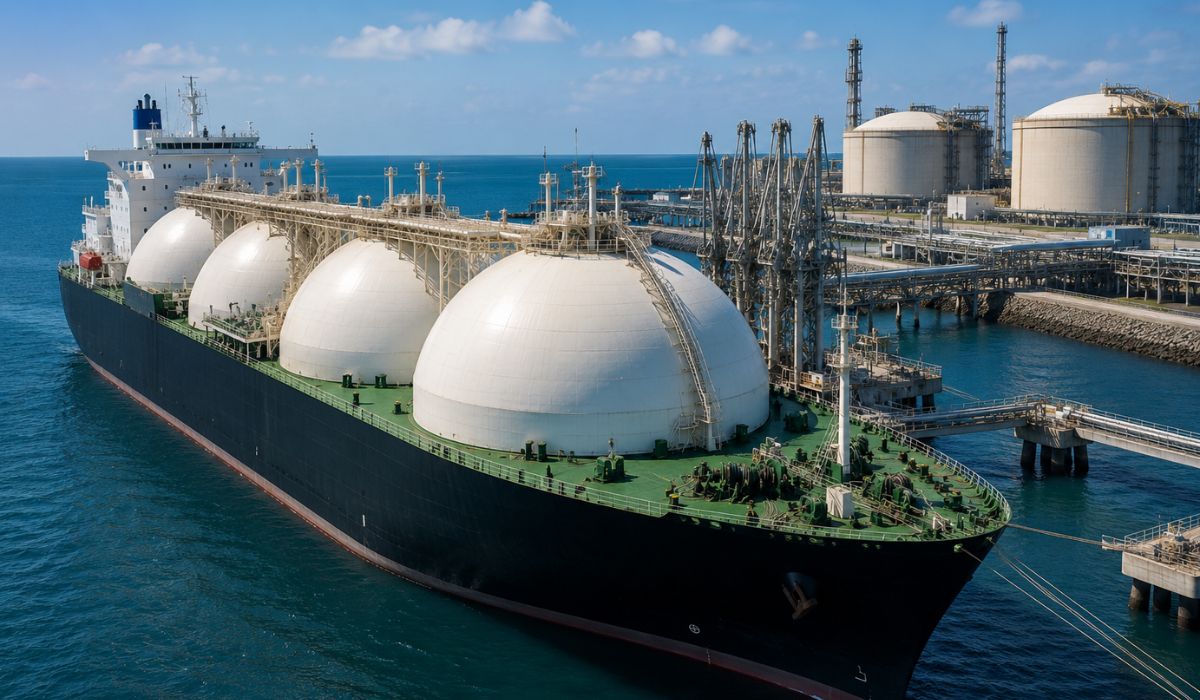
ISLAMABAD: Pakistan LNG Limited (PLL) has invited international suppliers to submit bids for the supply of one liquefied natural gas (LNG) cargo as the government moves to strengthen fuel supplies amid rising electricity demand and growing concerns over regional energy security.
According to a tender issued on Tuesday, PLL is seeking approximately 140,000 cubic metres (±5%) of LNG on a Delivered Ex-Ship (DES) basis for delivery at Port Qasim, Karachi, during the July 21–22 delivery window.
The tender, identified as PLL/IMP/LNGT75, comes as Pakistan seeks to secure additional LNG supplies to help meet increased power demand during peak summer temperatures and reduce the risk of electricity load-shedding. The procurement also follows heightened uncertainty in global energy markets after renewed tensions in the Middle East and concerns over a prolonged disruption to shipping through the Strait of Hormuz.
PLL, a wholly government-owned company responsible for LNG procurement on behalf of Pakistan, has asked reputed international suppliers to participate in the competitive bidding process.
Interested bidders can obtain the tender documents from PLL’s headquarters at Petroleum House, Ataturk Avenue, Islamabad, or by requesting them via the company’s official procurement email. Bid documents will remain available until July 15, 2026.
The company has set 1400 Pakistan Standard Time on July 15 as the deadline for bid submission. Financial bids will be opened publicly at 1430 hours on the same day in accordance with the Public Procurement Regulatory Authority (PPRA) Rules.
PLL said the tender documents have also been uploaded to the PPRA website and the company’s official website to ensure transparency in the procurement process.
The company has reserved the right to reject any or all bids before acceptance under Rule 33 of the Public Procurement Rules, 2004.
Pakistan has increasingly relied on spot LNG purchases to bridge the gap between domestic gas production and rising energy demand. The latest procurement forms part of the government’s broader strategy to maintain uninterrupted fuel supplies for the power sector and support electricity generation during the ongoing summer season while navigating volatility in international LNG markets.