 BeNewz
Related Articles

–Punjab to buy 3m tonnes wheat as ECC approves national policy framework
BeNewz Report
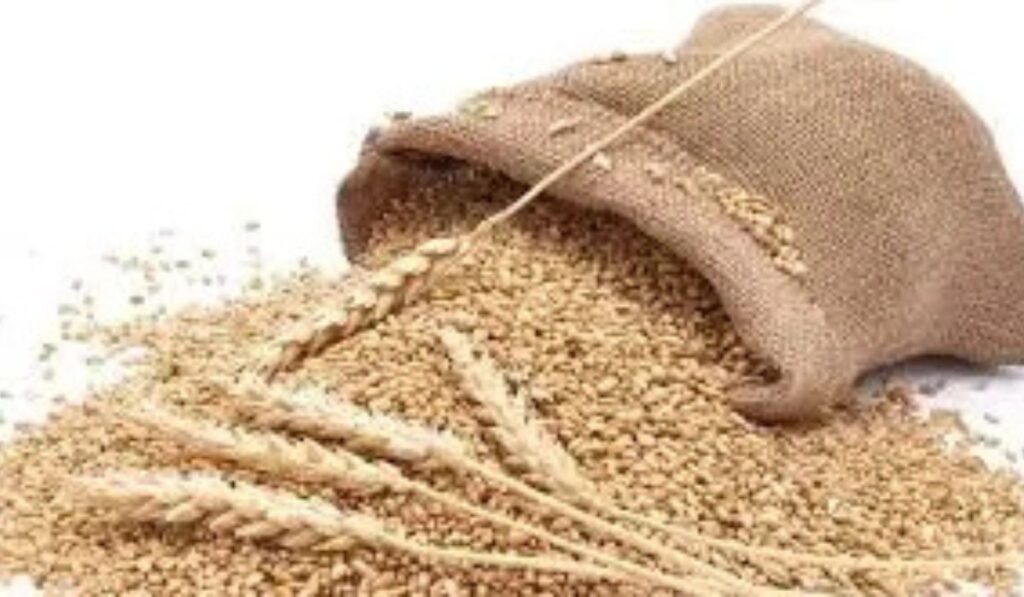
LAHORE: The Punjab government has begun preparations for wheat procurement, with a formal campaign set to start in the first week of April, as Pakistan moves ahead with the National Wheat Policy 2026 approved by the Economic Coordination Committee (ECC).
Officials said around 11 companies will procure a total of 3 million metric tonnes of wheat from farmers, with the initial phase of procurement starting from South Punjab, where harvesting begins earlier due to climatic conditions.
Under the procurement plan, the purchased wheat will be stored in government warehouses to ensure adequate reserves for food security and price stability. Authorities said the initiative is aligned with the National Wheat Policy 2026, recently approved by the ECC, which aims to streamline procurement, reduce government intervention, and encourage private sector participation.
The policy marks a shift from traditional government-led procurement towards a more market-based mechanism, allowing private firms and flour mills to directly engage with farmers. According to officials, 11 flour mills and companies have already qualified technical bids submitted by local and international traders under the scheme.
Pre-qualified firms have also submitted financial bids, which are expected to be opened within the next five days. The Punjab government has allocated 2.5 million tonnes of wheat procurement to these companies under the initial phase of the programme.
Flour mills and traders will purchase wheat directly from farmers at Rs3,500 per maund from farm gates, a move aimed at ensuring timely payments and reducing the role of middlemen in the supply chain. Officials said this approach would help stabilize market prices and improve liquidity for farmers during the harvesting season.
Pakistan’s wheat sector plays a critical role in national food security, with wheat being the staple food for a majority of the population. According to data from the Pakistan Bureau of Statistics, the country produces around 28 to 30 million tonnes of wheat annually, though output varies depending on weather conditions and input costs.
In recent years, the government has faced challenges in managing wheat stocks, including storage shortages and rising subsidy burdens. The ECC-approved National Wheat Policy 2026 seeks to address these issues by rationalizing procurement targets, improving storage infrastructure, and promoting private sector efficiency.
South Punjab remains a key wheat-producing region, contributing a significant share to the province’s total output. Early procurement from this region is expected to help build reserves quickly and avoid supply disruptions later in the season.
Analysts say the shift towards private sector-led procurement could reduce fiscal pressure on the government, which has historically spent heavily on wheat support prices and storage operations. According to Finance Ministry estimates, food subsidies, including wheat, have been a major component of public expenditure in recent years.
The government has also been working to modernize agricultural markets and improve supply chain efficiency under broader economic reforms linked to international financial commitments. These reforms include reducing market distortions and ensuring better price signals for farmers.
Officials said the new procurement model, combined with the National Wheat Policy 2026, is expected to enhance transparency, ensure fair pricing, and support farmers’ incomes while maintaining adequate wheat supplies in the domestic market.
The success of the procurement drive will depend on timely execution, weather conditions, and coordination between provincial authorities and private sector participants, as Punjab moves to implement reforms under the National Wheat Policy 2026.