 BeNewz
Related Articles
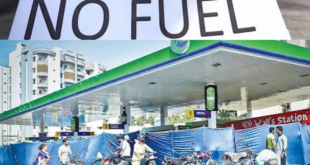
Govt plans digital rationing, seeks provinces’ share in fuel subsidy
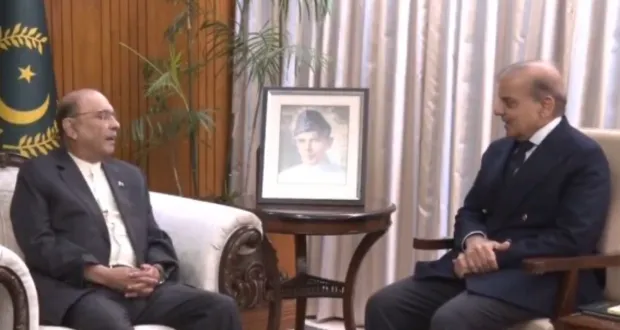
Prime Minister Shehbaz Sharif is expected to meet President Asif Ali Zardari on Tuesday to discuss including provinces in petroleum subsidy financing as the federal government prepares a digital rationing system to control fuel consumption.
Sources said the meeting is likely to take place at Aiwan-e-Sadr later in the evening where the prime minister will brief the president on the fiscal burden of fuel subsidies and seek political backing for involving provincial governments in sharing the cost. The federal government has already provided about Rs100bn in subsidy on petroleum products, benefiting consumers across the country, but officials say the current arrangement is putting pressure on the budget.
Pakistan has frequently used fuel subsidies to cushion inflation shocks, but such measures have historically strained public finances. According to Finance Ministry data released with the FY2025 budget documents, energy-related subsidies remain among the largest expenditure heads, contributing significantly to the fiscal deficit, which the government is trying to contain under commitments made with the International Monetary Fund programme.
Officials said the prime minister is also consulting provincial governments to contribute financially to the subsidy, arguing that the benefit is being shared nationwide while the fiscal cost is borne largely by the federation. Under the 18th Constitutional Amendment, provinces receive a major share of federal revenues through the National Finance Commission award, limiting Islamabad’s fiscal space during periods of high energy prices.
In parallel, the government is preparing a digital fuel rationing mechanism aimed at regulating consumption of petrol and diesel through a mobile application. According to sources, consumers will be required to register their vehicle number and national identity card details in the app, after which a daily fuel quota will be allocated based on usage patterns and availability of supply.
Officials said the proposed system is being designed after reviewing comparative data on petroleum consumption over the past year. Government estimates show that fuel usage has continued to rise despite higher prices, increasing the subsidy burden and worsening the import bill. Data from the Pakistan Bureau of Statistics shows petroleum imports remain one of the largest components of the country’s external payments, putting pressure on foreign exchange reserves during periods of high global oil prices.
Pakistan’s petroleum consumption has historically been sensitive to price changes, but demand has stayed elevated due to transport dependence and limited public transit options in major cities. Energy sector analysts note that administrative controls such as quota systems have been used in the past during supply shortages, although large-scale digital rationing would be a new step requiring coordination with oil marketing companies and provincial authorities.
The government is also facing broader pressure to reduce untargeted subsidies under ongoing economic reforms. The State Bank of Pakistan, in its latest monetary policy statement, stressed the need for fiscal discipline and better targeting of subsidies to maintain macroeconomic stability and support the external account.
Officials said the prime minister is expected to take President Asif Ali Zardari into confidence on both the subsidy-sharing formula and the proposed digital rationing plan before the government moves toward formal consultations with provinces. The outcome of the discussions could determine how Pakistan manages petroleum subsidies in the coming months as the government attempts to balance inflation relief with commitments under its fiscal consolidation programme.