 BeNewz
Related Articles



Aftab Maken
ISLAMABAD: Pakistan’s short-term inflation, measured through the Sensitive Price Indicator (SPI), increased by 0.79 percent during the week ended May 7, 2026, mainly due to a sharp rise in the prices of chicken, fuel, and essential food items, according to data released by the Pakistan Bureau of Statistics (PBS).
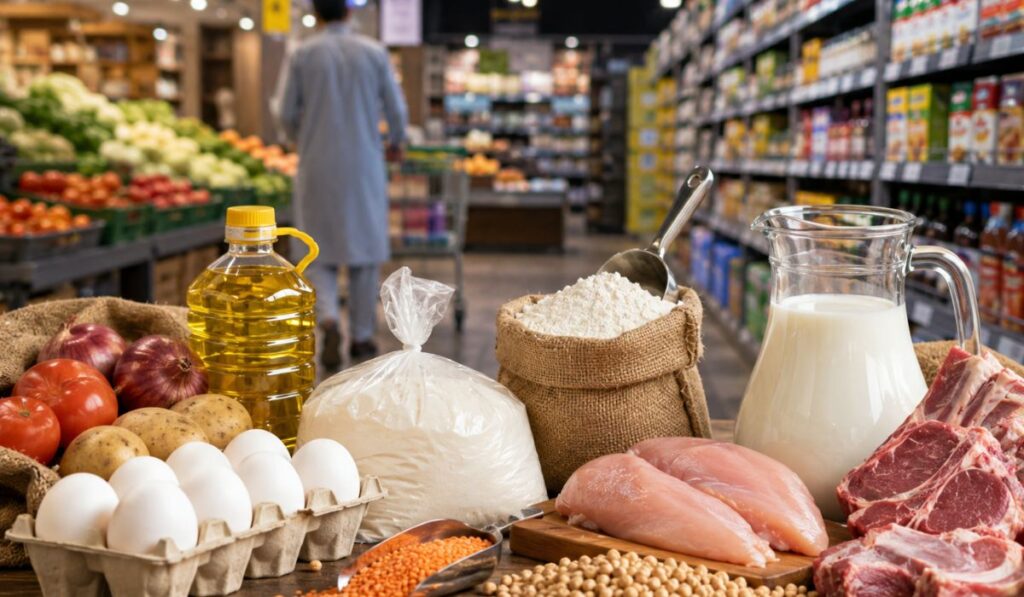
The PBS said chicken prices recorded the highest weekly increase of 12.82 percent, followed by diesel prices which rose 5.10 percent after the government increased petroleum product prices earlier this month. Wheat flour prices climbed 3.42 percent, while petrol became 1.66 percent more expensive during the week.
Other food items that recorded notable increases included curd, fresh milk, beef, mutton, tea and potatoes. Prices of washing soap and cigarettes also posted slight increases.
On the other hand, the PBS reported a decline in the prices of several vegetables and pulses. Tomato prices fell 7.08 percent during the week, while garlic prices dropped 1.19 percent and eggs became cheaper by 1.22 percent. Prices of LPG, pulse masoor, onions and rice also registered slight declines.
According to the weekly SPI analysis, prices of 22 out of 51 essential commodities increased during the week, while prices of 14 items declined and 15 items remained unchanged.
On a year-on-year basis, weekly inflation surged 15.16 percent, reflecting continued pressure on household budgets despite easing trends in some food commodities. Petrol prices were 58.32 percent higher compared to the same week last year, while diesel prices increased 55.76 percent. Electricity charges for the first quarter rose 52.58 percent year-on-year, adding to the burden on consumers.
The PBS data also showed wheat flour prices increased 50.65 percent over the past year, while LPG prices climbed 48.82 percent. Onion prices were up nearly 42 percent annually, while meat, garlic and powdered milk also recorded double-digit increases.
However, some essential commodities posted significant annual declines. Potato prices fell 44.58 percent compared to last year, while pulse gram prices declined more than 20 percent. Sugar, powdered salt, pulse masoor and eggs also became cheaper on a yearly basis.
Economists say rising fuel and utility prices continue to drive inflationary pressure across the economy, especially after recent adjustments in petroleum rates and energy tariffs. Higher transport and production costs have also contributed to increases in food prices across major urban markets.
The SPI is compiled weekly by the Pakistan Bureau of Statistics to monitor short-term inflation trends in essential commodities. The index tracks prices of 51 items collected from 50 markets in 17 cities across the country.
Analysts believe inflationary pressures may remain elevated in the coming weeks due to higher global energy prices, exchange rate volatility and seasonal demand for food items ahead of Eidul Azha.