 BeNewz
Related Articles


BeNewz Report
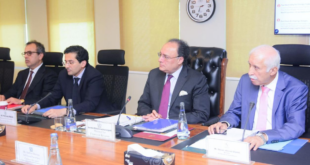
ISLAMABAD: The Petroleum Division has formally handed implementation of the Pakistan Oil Refining Policy for Upgradation of Existing/Brownfield Refineries, 2023, to Inter State Gas Systems (ISGS), sidelining both the sector regulator OGRA and the ministry’s own bureaucracy from direct execution of the multibillion-dollar programme.
A Petroleum Division letter designated ISGS to implement the policy on the division’s behalf and to perform the functions originally assigned to the Petroleum Division under the policy, following a meeting chaired by the petroleum secretary on August 17.
Background: A Policy That Has Struggled to Find a Home
The Refining Policy was designed to push Pakistan’s five existing refineries toward Euro-V compliant fuel production and away from furnace oil, offering incremental deemed-duty incentives — originally 2.5% on HSD and 10% on MS — funneled through upgrade or escrow accounts to help finance an investment programme industry sources put at roughly $6 billion. Implementation has been anything but smooth: refiners raised objections over duty timelines soon after the policy’s 2023 notification, deadlines for signing Upgrade Agreements were repeatedly pushed back, and the framework has been revised more than once as it moved through the Cabinet Committee on Energy (CCoE).
OGRA was the original custodian of the implementation mechanism and had already signed an Upgrade Agreement with Pakistan Refinery Limited. But the regulator has since pushed back on staying in that role, arguing that entering into contracts with refineries, running escrow accounts and supervising project execution sit outside its statutory mandate under the OGRA Ordinance, 2002 — and proposing instead that a dedicated Project Management Unit or a government-owned Special Purpose Vehicle take on the job. The Petroleum Division rejected that proposal, arguing OGRA had itself designed the implementation mechanism and warning that restructuring it now would further delay the upgrade programme. Later amendments approved by the Cabinet Committee on Energy nonetheless moved signing and implementation authority to the Petroleum Division itself, confining OGRA’s role to its statutory function as a regulator, with non-regulatory duties to be handled by the Petroleum Division or an alternative institutional arrangement. The designation of ISGS is that “alternative arrangement” taking shape.
Why ISGS, and Why It’s Raising Eyebrows
ISGS is a 1996-vintage, government-owned company built to develop gas import and pipeline infrastructure — its institutional DNA is cross-border gas pipelines and LNG-related projects, not refinery finance or downstream oil-sector regulation. Sources in the Petroleum Division told reporters the decision to route implementation through ISGS reflected reluctance within the ministry’s own bureaucracy to directly own execution and monitoring of the programme, effectively outsourcing accountability for a politically sensitive, multibillion-dollar file. The same sources questioned whether ISGS has the technical and institutional capacity for what it is being asked to do.
The scope being handed over is substantial: executing upgrade agreements with refiners, opening and administering Refinery Upgrade Accounts, monitoring project milestones, hiring consultants and auditors, and disbursing incentive payments. Industry officials note this puts a company with limited downstream-oil experience in a gatekeeping role over incentive payments tied to complex refinery modernisation projects — precisely the kind of technical oversight OGRA itself argued was outside its comfort zone.
Expert and Industry Analysis
Energy-sector analysts and industry officials following the file flag several structural implications:
- Capacity mismatch risk: ISGS’s core expertise is gas pipeline and import infrastructure. Refinery upgrade agreements require downstream process-engineering literacy, project-finance monitoring, and audit oversight of milestone-based incentive disbursement — a different skill set the company has not previously had to build.
- Accountability diffusion: By moving execution to a state-owned company rather than keeping it within the Petroleum Division or a purpose-built PMU/SPV (as OGRA itself proposed), officials risk blurring which institution answers for delays or disputes — a pattern the policy has already suffered from repeatedly since 2023.
- Precedent for institutional mission creep: Tasking a gas-sector entity with an oil-refining mandate sets a precedent that could recur across Pakistan’s energy bureaucracy whenever a ministry wants distance from a difficult file.
- The PMU question remains open: The policy itself provides for a Project Management Unit of technical and financial experts to support implementation. Whether that PMU is stood up to genuinely backstop ISGS’s gaps, or exists only on paper, will likely determine whether refiners see the programme move faster or simply change hands without changing pace.
- Investor signalling: With foreign financing on the table for the upgrade programme, repeated changes to who administers agreements and escrow/upgrade accounts risk being read by lenders and investors as continued institutional instability around the policy.
Public and Social Media Reaction
As of this report, the ISGS designation is a fresh, sector-specific development (the letter is dated August 24, 2026) and has so far generated commentary mainly within energy-industry and policy circles rather than broad public discussion — reflecting the technical, B2B nature of refinery-policy implementation compared to consumer-facing energy issues like fuel prices or loadshedding. Industry commentary circulating around the announcement centres on two threads: skepticism over ISGS’s readiness for a mandate this far from its core gas-infrastructure business, and frustration that the Refining Policy — first notified in 2023 — is still being restructured administratively rather than delivering upgraded refineries.