 BeNewz
Related Articles

—Power outages across Punjab are expected to intensify after Sui Northern Gas Pipelines Limited (SNGPL) declared force majeure on regasified liquefied natural gas (RLNG) supplies due to renewed tensions in the Strait of Hormuz, disrupting fuel deliveries for several key power plants
Aftab Maken
ISLAMABAD: Pakistan’s already strained electricity supply is set to face another major setback as SNGPL announced that it would suspend RLNG supplies to four gas-fired power plants until August 3, citing supply disruptions caused by escalating military tensions in the Gulf region.
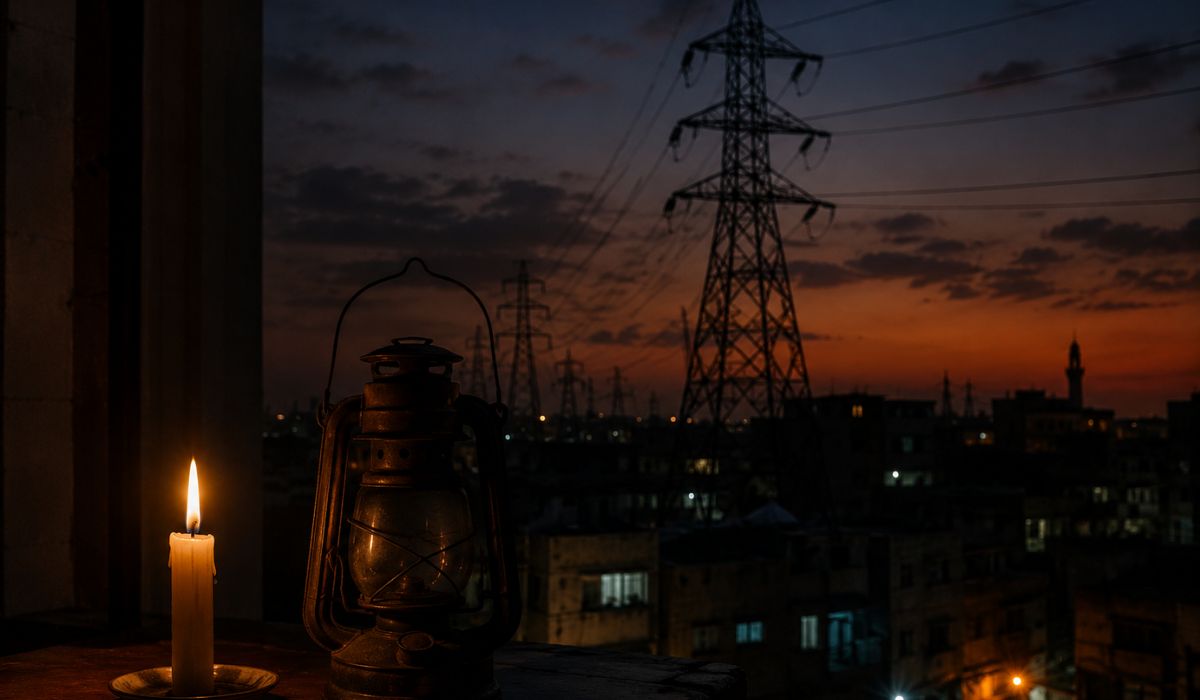
The development comes at a time when Punjab, particularly Lahore, is battling severe heat and humidity, with electricity demand soaring because of widespread use of air conditioners and cooling appliances. Consumers in several cities are already experiencing prolonged and unannounced power outages, and the latest fuel crisis is expected to worsen the situation.
According to official correspondence sent by SNGPL to the affected power producers, the company invoked the force majeure clause under Article 13 of the Gas Supply Agreement after Pakistan State Oil (PSO) informed it that LNG cargoes from Qatar Energy would remain disrupted because of continuing instability in the Strait of Hormuz.
The utility said Qatar Energy had confirmed its inability to deliver LNG cargoes scheduled between July 14 and August 3. It also warned that subsequent shipments under Pakistan’s Annual Delivery Plan 2026 could face additional delays as maritime operations in the Gulf remain uncertain.
SNGPL noted that while shipping activity through the Strait of Hormuz has resumed partially, vessel movements continue under strict safety assessments and remain intermittent. The company said it would continue monitoring the situation alongside PSO and notify stakeholders if cargo schedules improve after August 3.
The suspension of RLNG supplies could affect more than 5,000 megawatts of electricity generation from Punjab’s gas-fired power plants. Energy experts warn that reduced RLNG availability will also limit electricity transmission from Sindh-based generating stations to northern load centres, putting additional pressure on the national grid.
Government officials said authorities are considering rationing available LNG cargoes to minimize the impact. However, they acknowledged that Pakistan may be forced to purchase LNG from the international spot market, where prices are significantly higher than long-term contractual rates.
Such purchases would substantially increase electricity generation costs and could eventually result in higher consumer tariffs. If additional fuel cannot be secured, the Independent System and Market Operator (ISMO) may have to rely more heavily on diesel-fired generation, one of the most expensive sources of electricity available.
Residents across Punjab have already reported electricity outages lasting well beyond officially announced schedules. Although the Power Division had instructed distribution companies to limit scheduled load shedding to approximately two to two-and-a-half hours during evening peak demand, consumers in many parts of Lahore continue to experience outages ranging from eight to fourteen hours daily. Other districts across Punjab are reporting interruptions lasting between six and twelve hours.
Businesses, hospitals, students and households are among the hardest hit by the worsening electricity shortages. Industrial operators have also warned that extended outages could reduce production and increase operating costs during one of the hottest periods of the year.
Lahore Electric Supply Company (LESCO) has continued maintenance work on high-loss feeders in an effort to improve system stability, but officials concede that the fresh RLNG supply disruption could significantly undermine those efforts.
The latest crisis highlights Pakistan’s continued dependence on imported fuel for electricity generation and exposes vulnerabilities in the country’s energy supply chain during periods of geopolitical instability. Analysts say the Strait of Hormuz remains one of the world’s most critical energy shipping routes, with any disruption having immediate consequences for countries heavily reliant on imported LNG.
Power sector officials have advised consumers to monitor feeder-specific load shedding schedules issued by their respective electricity distribution companies, including LESCO and MEPCO, while preparing for extended outages until fuel supplies stabilize. The duration of the crisis will largely depend on the security situation in the Gulf and the restoration of normal LNG shipments.