 BeNewz
Related Articles

Aftab Maken
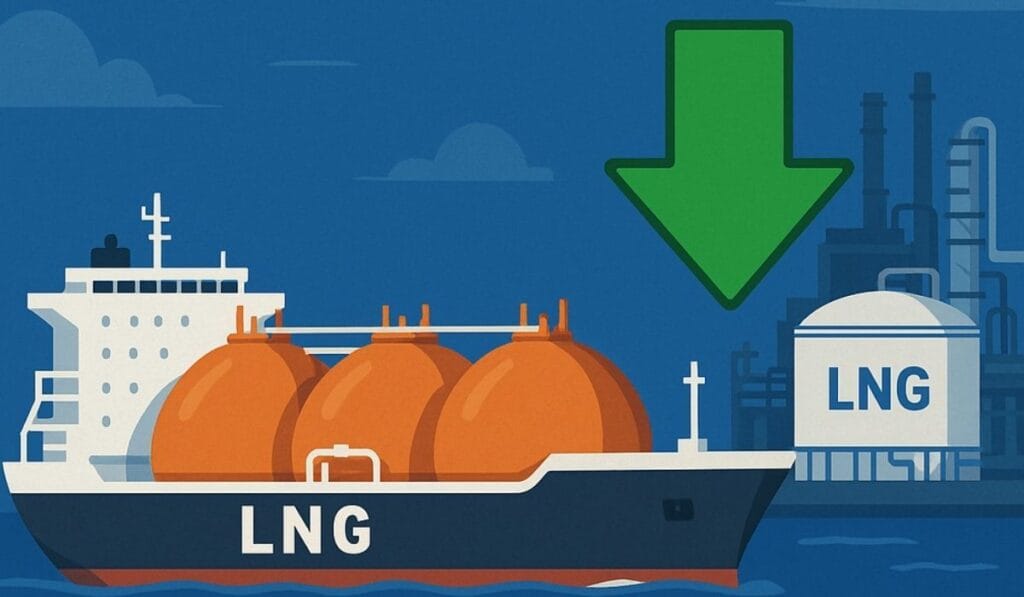
ISLAMABAD: Pakistan LNG Limited (PLL) has awarded the lowest evaluated bid for the supply of a spot liquefied natural gas (LNG) cargo to BP Singapore after completing the financial evaluation of bids received under its latest international tender.
According to the evaluation report issued by PLL, the tender was floated for the procurement of one LNG cargo scheduled for delivery between June 6 and 7, 2026. The procurement process was conducted under the single-stage, two-envelope procedure in accordance with the Public Procurement Rules, 2004.
PLL received a total of five bids from leading international energy trading firms. Four bidders qualified technically, while one offer was disqualified during the technical evaluation stage. The commercial proposal of the technically disqualified bidder was returned unopened, in line with procurement regulations.
BP Singapore emerged as the lowest evaluated bidder by offering a price of $19.1337 per million British thermal units (MMBtu), narrowly undercutting Bahrain-based Vitol, which submitted a bid of $19.1350 per MMBtu.
The other technically qualified bidders included TotalEnergies Gas & Power Limited, which quoted $19.8400 per MMBtu, and SOCAR Trading, which offered $19.9422 per MMBtu.
PetroChina International Singapore failed to meet the technical requirements outlined in the bidding documents and was therefore excluded from the financial evaluation process.
The tender, identified as No. PLL/IMP/LNGT66 and listed under PPRA reference TS0000007262E, closed at 2:00 p.m. Pakistan Standard Time on June 4, with technical and financial bids opened later the same day.
Pakistan LNG Limited, a state-owned company responsible for importing LNG to meet the country’s growing energy requirements, regularly procures spot cargoes to supplement long-term supply agreements and manage fluctuations in domestic gas demand.
The latest procurement comes as Pakistan continues to rely on imported LNG to bridge the gap between local gas production and rising consumption, particularly during periods of increased industrial and power sector demand.