 BeNewz
Related Articles


BeNewz Report
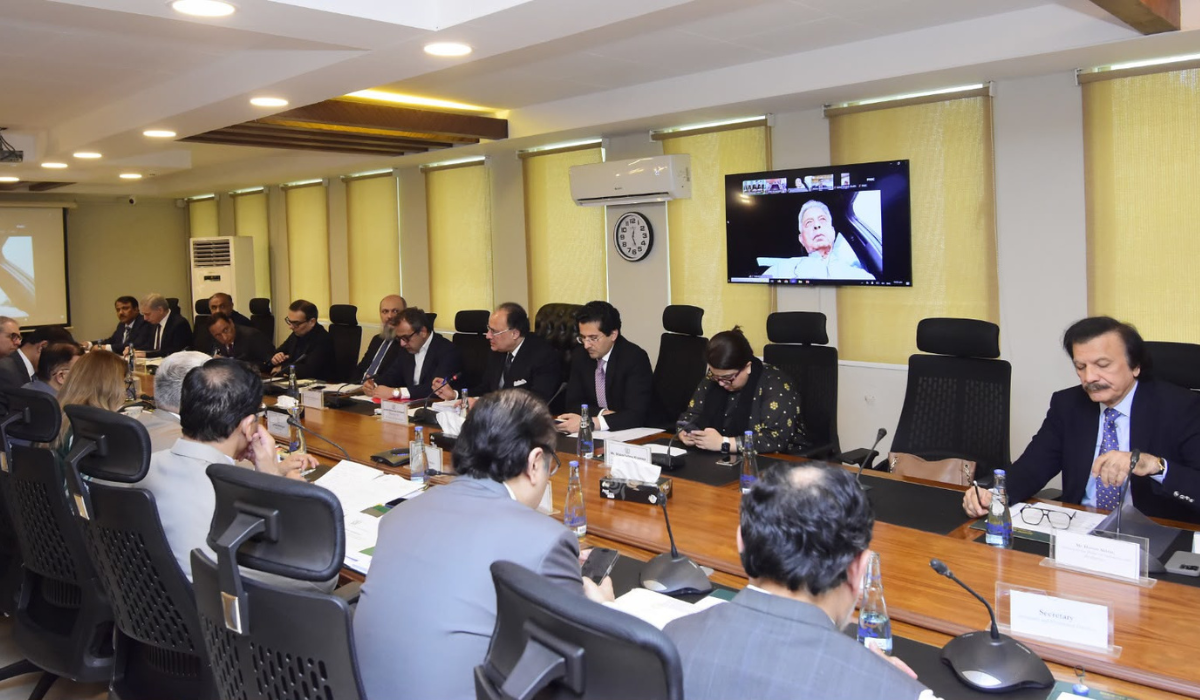
ISLAMABAD: The Economic Coordination Committee (ECC) of the Cabinet on Sunday approved the Prime Minister’s Fuel Relief Scheme, clearing Rs75 billion as a Technical Supplementary Grant to fund targeted relief for lower-income motorists hit by rising petroleum prices.
The meeting was chaired by Finance Minister Senator Muhammad Aurangzeb at the Finance Division in Islamabad.
Under the Fuel Relief Scheme, two- and three-wheelers will get Rs 500 per week — equal to five litres of fuel at Rs100 per litre — while cars up to 800cc will receive Rs1,000 every ten days, based on 30 litres a month at the same rate. The relief is restricted to non-commercial users, with one vehicle allowed per owner, and the Ministry of IT & Telecom will run the Fuel Pass System (FPS) to manage digital delivery and keep the process transparent.
Background: a scheme built around digital targeting
Pakistan’s fuel-subsidy history has long struggled with leakage and poor targeting, and the design of the new Fuel Relief Scheme reflects an attempt to close those gaps. By tying relief to a digital Fuel Pass System rather than a blanket price cut, the government is following a global shift toward targeted, tech-enabled subsidies instead of universal ones — a trend also visible in recent energy-support programs across South Asia.
Officials say restricting the scheme to non-commercial users and capping it at one vehicle per owner is meant to prevent the kind of misuse that undermined earlier ad hoc relief measures.
The ECC meeting was not limited to the fuel package. Members also approved a restructuring framework for the Pakistan National Shipping Corporation (PNSC), cleared a draft upgrade agreement for brownfield oil refineries under the 2023 refining policy (as amended in August 2026), and approved a settlement mechanism for Oil Marketing Companies’ unadjusted input sales tax claims from July 2025 to June 2026, to be routed through the Inland Freight Equalization Margin.
A review of used-vehicle import standards was deferred pending further committee input, while the ECC cleared export of 200,000 MT of surplus sugar with safeguards for domestic price stability, and approved Rs3 billion for 15 bullet-proof sedans ahead of the SCO Council Summit that Pakistan will host in Islamabad in September 2027.
Public and social media reaction
Early reaction on social media to the Fuel Relief Scheme has been mixed. Many commuters and small vehicle owners have welcomed the move as tangible relief amid persistently high fuel prices, particularly for motorcycle and rickshaw users who form the bulk of the target group.
Others have questioned whether the Fuel Pass System can be rolled out smoothly and whether Rs75 billion will be sufficient to sustain the scheme, with some users drawing comparisons to past subsidy programs that faced implementation delays. Commentary has also focused on the timing of the relief, coming as households continue to adjust to elevated petroleum prices.
Expert analysis
Economic analysts note that the Fuel Relief Scheme’s reliance on digital verification through the FPS marks a departure from earlier price-based subsidies, and could improve targeting if implementation is executed cleanly. However, experts caution that the scheme’s success will hinge on how quickly the Ministry of IT & Telecom can deploy the Fuel Pass System nationwide and on the government’s ability to verify eligible non-commercial users without excessive delays.
Analysts also point out that pairing the relief package with parallel decisions — such as the OMC tax settlement and refinery upgrade framework — suggests a broader effort to stabilise the downstream petroleum sector rather than address fuel costs in isolation.