 BeNewz
Related Articles



BeNewz Report
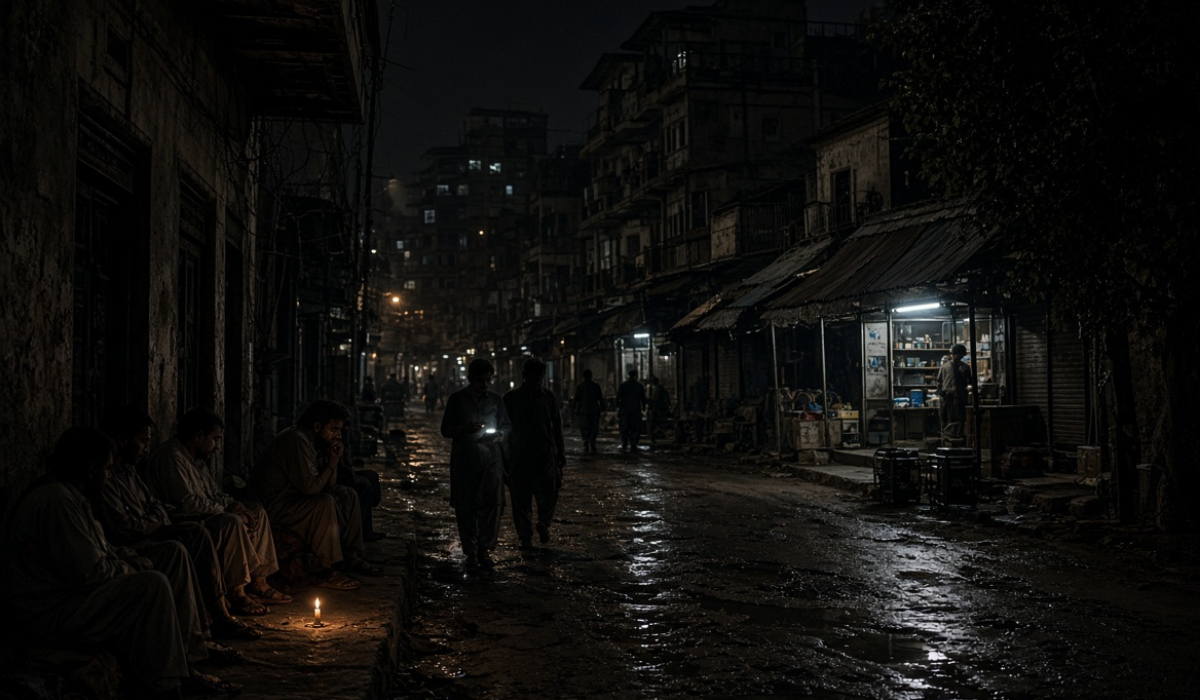
ISLAMABAD: Temporary nighttime power outages continue across large parts of Pakistan, with consumers in Punjab — particularly Lahore and surrounding LESCO areas — facing 2 to 4 hours of load management between roughly 9 pm and 4 am, while daytime supply remains largely normal due to solar generation offsetting demand. The ongoing shortfall, which has exceeded 4,000 MW on recent days, comes a day after Power Minister Sardar Awais Ahmad Khan Leghari and Petroleum Minister Ali Pervaiz Malik publicly apologized to the nation for the disruption, citing the non-availability of contracted RLNG cargoes from Qatar as the primary cause.
Background and Context
The RLNG shortage has idled gas-fired power plants with a combined capacity of roughly 3,600 to 5,000 MW at a time when they are most needed to meet peak evening demand. Delayed cargoes have been linked to regional geopolitical disruptions, including fallout from the Iran-US conflict and associated bottlenecks in the Strait of Hormuz. While spot-market LNG remains available, officials say current prices make it too costly to rely on at scale. Compounding the shortfall is reduced hydropower generation, including from Mangla, adding further strain on the grid during peak hours.
To manage the gap, furnace-oil-based power plants have been brought back online during peak periods, and authorities have floated a fresh tender for a spot LNG cargo, with a proposed delivery window of September 4–8. Officials describe the current outages as temporary, expected to ease once delayed and additional RLNG shipments arrive.
Public and Social Media Reaction
Despite official assurances that load management is scheduled and limited to nighttime hours, social media users in cities including Karachi, Rawalpindi and parts of Lahore have reported longer or unannounced outages, diverging from the government’s stated schedule. The apology from Leghari and Malik has drawn mixed reactions online, with many users welcoming the acknowledgment while expressing frustration that outages persist regardless.
Expert/Analytical Perspective
Energy analysts point out that Pakistan’s continued dependence on a relatively narrow band of RLNG-fired capacity leaves the power system vulnerable to external supply shocks, especially those tied to geopolitically sensitive routes like the Strait of Hormuz. Without stronger long-term supply contracts, diversified fuel sources, or greater reserve storage capacity, experts warn similar shortfalls could recur during future demand peaks.