 BeNewz
Related Articles


Aftab Maken
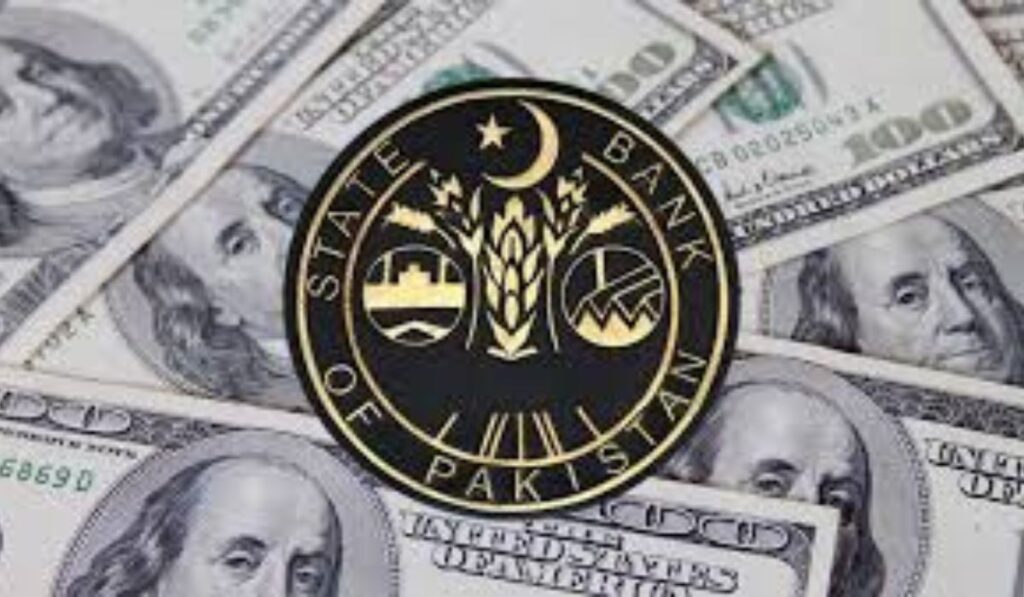
KARACHI: State Bank of Pakistan receives $1.3 billion IMF inflows after third review completion under EFF and RSF, strengthening reserves position amid external financing pressures and ongoing macroeconomic stabilisation efforts.
State Bank of Pakistan has received about US$1.3 billion from the International Monetary Fund following disbursements under the Extended Fund Facility and the Resilience and Sustainability Facility. The inflows were confirmed after the IMF Executive Board completed the third review of Pakistan’s programme on 08 May 2026. The funds were transferred on 12 May 2026 and will be reflected in foreign exchange reserves for the week ending 15 May 2026.
#SBP has received about US$1.3 billion under the IMF’s EFF and RSF programs
— SBP (@StateBank_Pak) May 13, 2026
The IMF Executive Board completed third review under the Extended Fund Facility (EFF) in its meeting held on 08 May 2026, and approved disbursement of SDR 760 million for Pakistan. Furthermore, the IMF…
According to official details, the IMF Executive Board approved a disbursement of SDR 760 million under the Extended Fund Facility. It also cleared a second tranche of SDR 154 million under the Resilience and Sustainability Facility. Combined, the total disbursement amounts to SDR 914 million, which is approximately US$1.3 billion based on prevailing conversion rates. These inflows directly support external account stability by strengthening the foreign exchange buffer held by the State Bank of Pakistan.
The latest disbursement comes at a time when Pakistan continues to rely on multilateral financing to stabilise its balance of payments position and support macroeconomic reforms. The IMF-supported programme under the Extended Fund Facility has been central to fiscal consolidation, energy sector adjustments, and monetary tightening efforts. The Resilience and Sustainability Facility complements these measures by focusing on climate-related reforms and long-term structural adjustments in energy and resource management.
The International Monetary Fund has maintained that programme continuity is linked to fiscal discipline, energy pricing reforms, and revenue mobilisation targets. Pakistan’s economic adjustment under the IMF framework has included steps to reduce fiscal deficits and improve tax collection efficiency. According to IMF programme documentation, Pakistan’s ongoing arrangement under the Extended Fund Facility is part of a broader stabilisation package aimed at restoring external sustainability and rebuilding reserve.
The State Bank of Pakistan has been at the centre of managing exchange rate pressures and foreign exchange liquidity conditions. Over the past two years, reserves have experienced volatility due to external debt repayments, import pressures, and limited foreign inflows. Multilateral inflows such as the IMF tranche are therefore critical in preventing sharp depletion of reserves and in supporting currency market stability.
Historically, Pakistan’s engagement with IMF programmes has been recurring, reflecting persistent external financing gaps and structural economic constraints. The country has entered more than 20 IMF programmes since the late 1980s, according to historical IMF records. Each programme has typically focused on fiscal adjustment, exchange rate flexibility, and structural reforms, though implementation consistency has varied across cycles.
Recent macroeconomic conditions have remained sensitive to external inflows, remittances, and export performance. Pakistan’s external account has been under pressure due to elevated import costs, global interest rate tightening, and energy import dependency. The State Bank of Pakistan has repeatedly highlighted the importance of multilateral inflows and rollovers from bilateral partners to maintain reserve adequacy and meet external payment obligations.
The IMF’s Extended Fund Facility for Pakistan is part of a broader engagement with emerging market economies facing balance-of-payments stress. Globally, the IMF has increased use of its Resilience and Sustainability Facility to support climate-related reforms in vulnerable economies. This reflects a shift toward integrating climate resilience into macroeconomic stabilisation frameworks, particularly in South Asia and other climate-exposed regions.
Market analysts view the latest IMF inflows as supportive for short-term external stability, though long-term sustainability depends on export diversification and structural reforms. Foreign exchange reserves managed by the State Bank of Pakistan are expected to show a temporary improvement following the inflow, though future repayment obligations to multilateral and bilateral creditors will continue to shape reserve dynamics.
In recent policy statements, the IMF has emphasised the need for Pakistan to maintain tight fiscal controls and broaden its tax base to ensure programme durability. Energy sector reforms, including tariff rationalisation and circular debt management, remain key structural benchmarks under the ongoing arrangement [verify IMF and government policy updates].
The disbursement also signals continued confidence by the International Monetary Fund in Pakistan’s reform trajectory, particularly in maintaining policy discipline during fiscal consolidation. However, sustained improvements in external accounts will depend on inflows beyond multilateral support, including foreign direct investment, export growth, and stable remittance inflows.
The State Bank of Pakistan is expected to reflect the inflows in its weekly foreign exchange reserves data for the period ending 15 May 2026. The updated reserves position will be closely monitored by financial markets, rating agencies, and multilateral institutions assessing Pakistan’s external repayment capacity.
Going forward, Pakistan’s economic outlook remains closely tied to IMF programme performance, global commodity trends, and domestic reform implementation. The State Bank of Pakistan will continue to play a central role in managing liquidity conditions and exchange rate stability while balancing inflation control and growth support objectives under the broader IMF-supported reform framework involving the State Bank of Pakistan.