 BeNewz
Related Articles



Aftab Maken
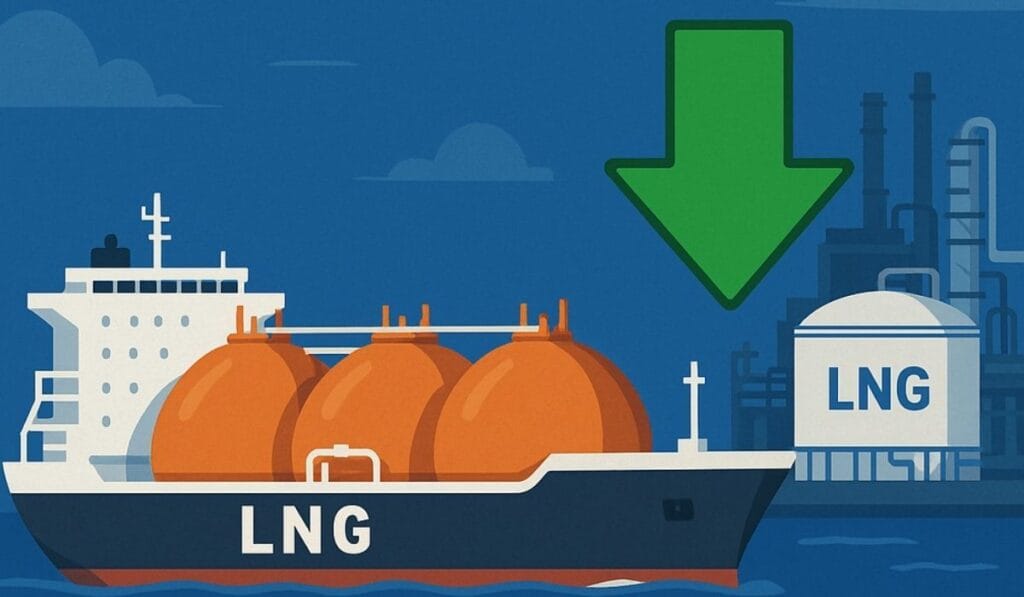
ISLAMABAD: Pakistan LNG Limited (PLL) is likley to awarded two spot liquefied natural gas (LNG) cargoes for May 2026 deliveries to BP Singapore and TotalEnergies Gas & Power Limited after receiving seven bids from international suppliers, according to an official evaluation report released on Wednesday.
The procurement was conducted through a single-stage, two-envelope bidding process under tender inquiry PLL/IMP/LNGT64. The bids were opened in Islamabad on May 7 under the Public Procurement Rules, 2004.
According to the evaluation report, BP Singapore emerged as the lowest evaluated bidder for the first LNG cargo scheduled for delivery between May 12 and 14, 2026. The company offered a price of $17.2848 per million British thermal units (mmBtu).
For the second cargo, scheduled for delivery between May 24 and 26, TotalEnergies Gas & Power Limited submitted the lowest bid at $16.9800 per mmBtu.
Other companies participating in the bidding process included Vitol Bahrain, OQ Trading, SOCAR Trading, and PetroChina International Singapore. Vitol Bahrain offered $17.8400 per mmBtu for the first cargo, while SOCAR Trading quoted $17.2108 per mmBtu for the second cargo. PetroChina International Singapore submitted bids for both cargoes at $17.6900 and $17.4900 per mmBtu, respectively.
PLL received a total of seven bids, including three for the first cargo and four for the second cargo. All participating firms were declared technically qualified under the criteria specified in the bidding documents.
Pakistan has increasingly relied on spot LNG purchases to meet rising gas demand, particularly during peak summer and winter seasons. The country imports LNG mainly through long-term agreements with Qatar, while additional spot cargoes are procured to bridge supply gaps.
The latest procurement comes amid continued volatility in global energy markets and pressure on Pakistan’s external account. Analysts say LNG procurement costs remain sensitive to geopolitical tensions and fluctuations in international fuel prices.
Pakistan’s energy sector is also facing mounting circular debt challenges, with the government under pressure to ensure timely fuel supplies while managing foreign exchange reserves and domestic energy tariffs.