 BeNewz
Related Articles


Aftab Maken
ISLAMABAD: Pakistan’s economy showed signs of stress despite improvements in select indicators during the first eight months of FY2026, with rising inflation, widening trade deficit, and falling foreign investment highlighting persistent vulnerabilities.
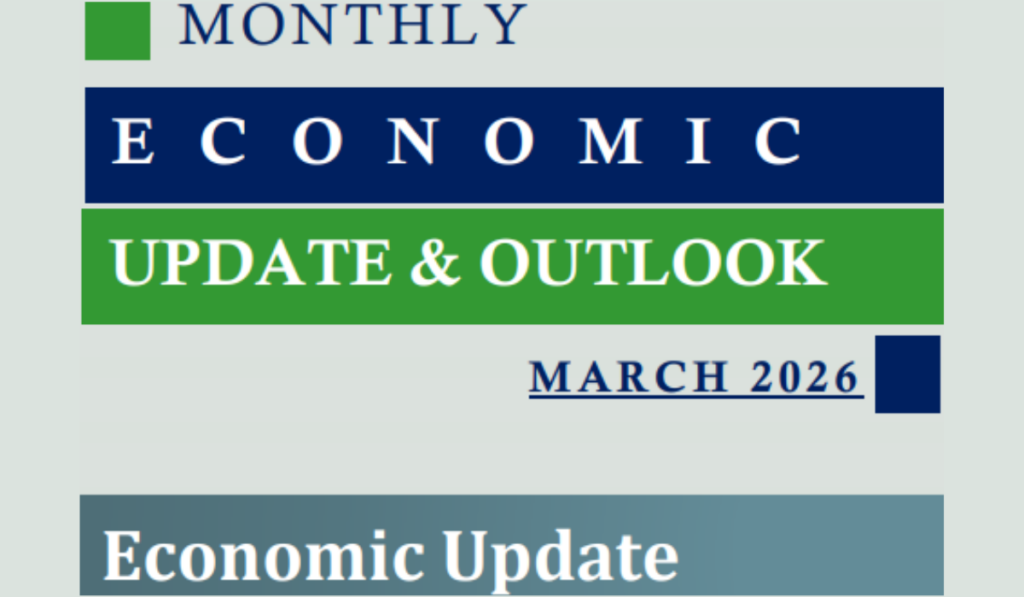
The Finance Division’s Monthly Economic Update for March 2026 reported mixed performance, as gains in remittances and manufacturing were offset by pressure on external accounts and weakening investor confidence.
Headline inflation rose to 7.0% year-on-year in February 2026, up from 5.8% in January and sharply higher than 1.5% recorded a year earlier. The increase was driven by higher prices of housing, utilities, education, and health, according to official data. Average inflation for July to February stood at 5.5%, only slightly lower than last year, indicating continued pressure on household purchasing power.
The Sensitive Price Index also increased by 0.97% in the week ending March 26, reflecting persistent volatility in essential commodities. Out of 51 monitored items, prices of 23 increased, signaling uneven price stability despite government interventions.
The external sector remained a major concern. The current account posted a $427 million surplus in February, but the cumulative balance for July to February showed a deficit of $700 million. This reflects underlying structural imbalances, particularly in trade.
The trade deficit widened significantly to $23.2 billion from $18.6 billion a year earlier. Imports surged to $50.4 billion, while exports remained largely stagnant at $27.2 billion. Declining food exports, especially rice, contributed to weak export performance despite modest gains in textiles.
Foreign direct investment dropped sharply by 33.4% to $1.2 billion during the period, raising concerns about Pakistan’s investment climate. Portfolio investment also recorded net outflows of $490.8 million, indicating declining foreign investor confidence amid global and regional uncertainty.
Although remittances increased by 10.5% to $26.5 billion, providing some support to the external account, reliance on overseas inflows remains a structural weakness. Saudi Arabia and the UAE accounted for over 40% of total remittances, highlighting concentration risks.
The fiscal position showed improvement, but underlying pressures persist. The fiscal deficit narrowed sharply to Rs64.7 billion from over Rs2 trillion last year, largely due to a 10.7% reduction in federal expenditure. However, this contraction was driven mainly by cuts in current spending, including a 24.6% decline in markup payments, rather than sustainable revenue expansion.
Federal revenue grew by 9.3% to Rs11.2 trillion, supported by higher tax collection. However, this growth remains modest relative to Pakistan’s fiscal needs and debt servicing requirements. The primary surplus reached 3.2% of GDP, but analysts warn that maintaining this level will be challenging amid rising inflation and social spending demands.
Industrial performance showed improvement but remains fragile. Large-scale manufacturing grew by 5.8% during July to January, recovering from a contraction last year. However, this growth was concentrated in a few sectors such as automobiles, textiles, and petroleum products, raising concerns about lack of broad-based industrial expansion.
The automobile sector posted strong gains, with production of trucks and buses rising 78.4% and cars increasing by 52.3%. However, such growth is partly attributed to a low base effect and may not sustain amid high financing costs and weak consumer demand.
Agriculture indicators also presented mixed signals. Wheat production is targeted at 29.7 million tonnes, but final output depends heavily on weather conditions. While agricultural credit increased by 11.1%, structural issues such as water scarcity and input costs continue to pose risks.
The energy sector remains exposed to global volatility. Rising international oil prices, driven by Middle East tensions, threaten to increase Pakistan’s import bill and inflationary pressures. Brent crude has hovered above $100 per barrel, creating additional strain on external accounts.
Financial markets reflected growing uncertainty. The Pakistan Stock Exchange entered a bearish phase in February, with the KSE-100 index falling by over 16,000 points. Market capitalization declined by nearly Rs1.9 trillion, as investors reacted to geopolitical risks and economic uncertainty.
Despite an increase in foreign exchange reserves to $21.7 billion, largely supported by external inflows, sustainability remains uncertain given ongoing repayment obligations and reliance on bilateral support.
Monetary conditions remained tight, with the policy rate held at 10.5% in March 2026. While this supports inflation control, it also increases borrowing costs for businesses and limits private sector expansion.
Global economic conditions add further downside risks. Rising energy prices, supply chain disruptions, and geopolitical tensions are expected to keep external pressures elevated. The International Energy Agency’s release of emergency reserves highlights the severity of global energy market disruptions.
The Finance Division projects inflation to remain between 7.5% and 8.5% in March, indicating continued pressure on consumers. While the outlook remains cautiously optimistic, the report acknowledges risks from rising imports, stagnant exports, and volatile global conditions.
Pakistan’s economy appears to be stabilizing in certain areas, but structural weaknesses remain deeply entrenched. Without sustained reforms in exports, energy, and fiscal management, the gains achieved in FY2026 could prove temporary as Pakistan navigates an increasingly uncertain global environment.
