 BeNewz
Related Articles



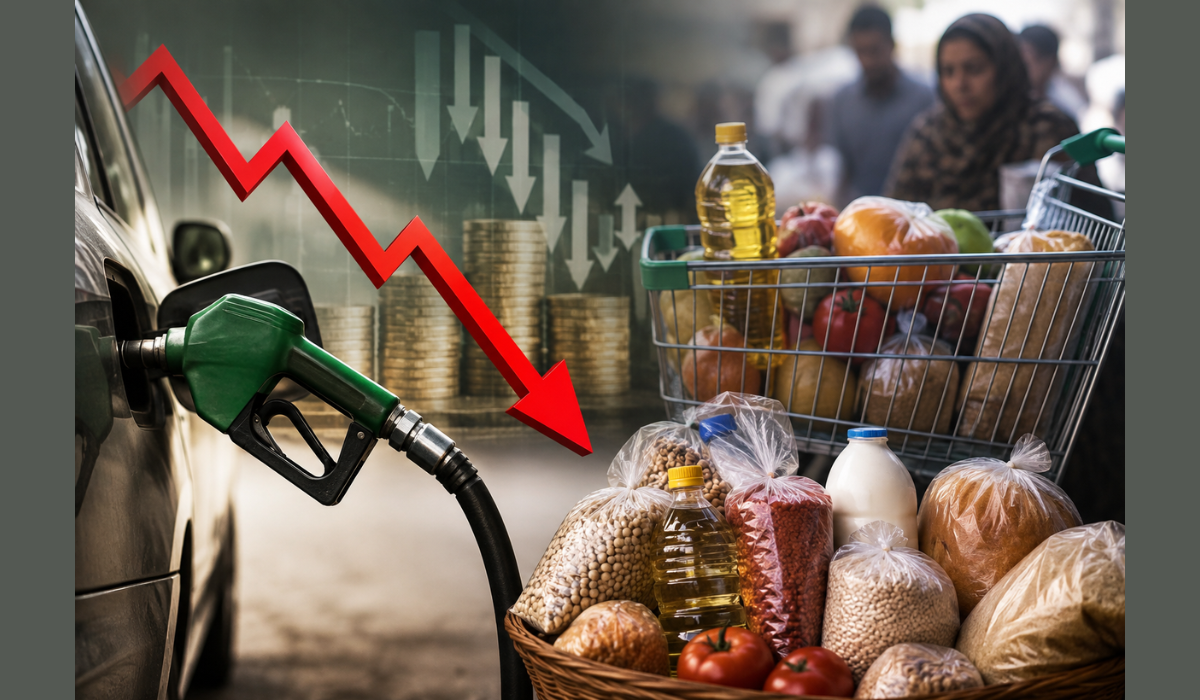
Fuel prices fall for a second straight week even as food costs keep squeezing low-income households; annual inflation now stands at 9.11%
Aftab Maken
ISLAMABAD: Pakistan’s short-term cost of living inched higher again in the week ended August 13, 2026, driven overwhelmingly by a sharp spike in onion prices, according to the Sensitive Price Indicator (SPI) released by the Pakistan Bureau of Statistics (PBS).
The SPI, which tracks the retail prices of 51 essential items across 50 markets in 17 cities, rose 0.15% week-on-week, a slower pace than the 0.28% increase recorded the previous week. On a year-on-year basis, inflation as measured by the SPI stood at 9.11%, continuing a steady climb that has persisted through the summer.
Onions lead the surge — again
For the second consecutive week, onions were the single biggest driver of inflation, with prices jumping 24.68% compared to the week before. That follows a 10.14% weekly rise reported by PBS just a week earlier, meaning onion prices have now climbed roughly 38% in a fortnight. On an annual basis, onions are up 125.75% — one of the steepest increases of any item tracked in the basket.
Other notable weekly increases were recorded in pulse gram (3.35%), chicken (2.45%), LPG cylinders (0.67%), Lipton tea (0.63%), mustard oil (0.45%), curd (0.34%), pulse masoor (0.24%) and garlic (0.22%).
Petrol and diesel offered some relief, falling 2.35% and 0.29% respectively for the week, while tomatoes (-1.26%), potatoes (-0.73%), bananas (-0.36%), pulse moong (-0.35%), eggs (-0.19%) and sugar (-0.11%) also became cheaper.
Of the 51 items in the basket, 20 (39.22%) rose in price, nine (17.65%) fell, and 22 (43.13%) held steady.
A rough year for the household budget
Zooming out to the annual comparison, the picture is starker. Tomatoes remain the biggest year-on-year mover, up 143.77%, followed by onions (125.75%) and wheat flour (77.41%). Energy costs have also climbed steeply over the past 12 months, with LPG up 55.41%, diesel up 34.05% and petrol up 23.02%. Mutton, beef and bread have all posted double-digit annual gains as well.
A handful of items bucked the trend on a yearly basis: potatoes are down 30% from a year ago, alongside sugar (-17.93%), chicken (-17.45%), gram pulse (-14.39%) and eggs (-11.70%).
As is typical, the burden falls hardest on the poorest households. PBS data shows the lowest income bracket — households earning up to Rs17,732 a month — saw prices rise 0.46% for the week and 9.68% for the year, both higher than the combined national average and well above the 0.04% weekly and 8.72% annual increase felt by the highest-earning quintile.
The onion paradox: soaring retail prices, but farmers losing money
The onion price spike comes despite growing distress among the country’s onion growers. Reports from Sindh in the days leading up to this SPI release describe farmers increasingly abandoning the crop, citing recurring plant disease, rising input costs and thin margins that leave them with little return even as retail prices surge in city markets — a disconnect that has fuelled frustration on social media, where users have questioned why consumers are paying near-record prices for onions while growers say they can barely break even. Market watchers have pointed to a widening supply-demand gap after a weak start to the new Sindh crop as the immediate trigger for the run-up in prices.
The onion swing has also drawn comparisons in local commentary to the earlier, even sharper collapse and rebound in tomato prices earlier this summer, when rates spiked past Rs400/kg before crashing back down — a volatility pattern consumers on social platforms have described as becoming a near-monthly occurrence for at least one kitchen staple.
What it means going forward
Economists tracking the SPI note that while headline weekly inflation has moderated compared to the previous two readings, the year-on-year rate above 9% keeps price pressure firmly in view for policymakers. Fuel prices — a key input cost across the food supply chain — have now fallen for two straight weeks, which could help ease pressure on transport-sensitive items like vegetables and fruit in coming readings, provided onion supply stabilises.
The next SPI report, covering the week ending August 20, 2026, is expected from PBS the following Friday.